Indian Pilots Demand Enhanced Financial Oversight for Airlines
The Federation of Indian Pilots calls for stricter financial monitoring of airlines amid SpiceJet's ongoing operational challenges.
Pilots urge government to implement early-warning systems for financially distressed airlines.
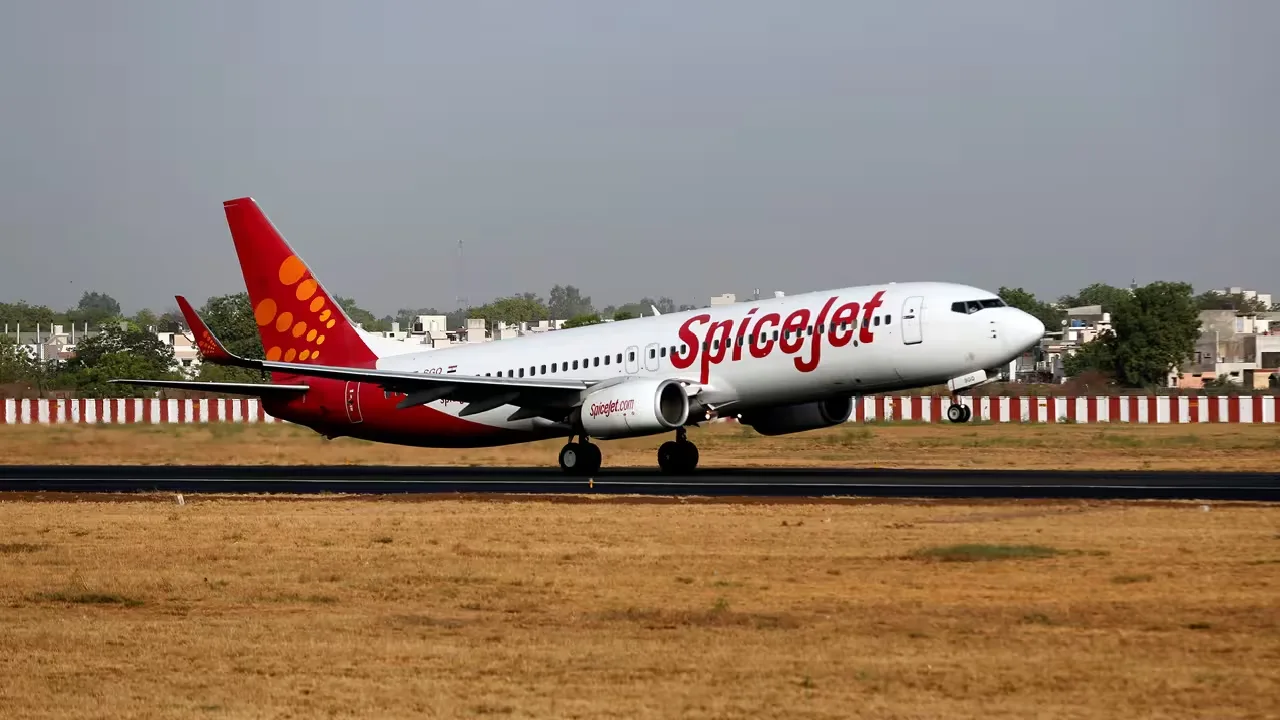
SpiceJet faces scrutiny over liquidity issues and operational performance.
FIP proposes mandatory annual financial assessments for all scheduled airlines.
The Federation of Indian Pilots (FIP) has formally requested the Indian government to intensify financial oversight of domestic airlines, particularly in light of SpiceJet's deteriorating liquidity and operational disruptions. In a letter addressed to the Minister of Civil Aviation on November 22, the FIP emphasized the urgent need for a comprehensive financial and safety evaluation of SpiceJet, alongside a reassessment of the existing framework used by the Directorate General of Civil Aviation (DGCA) to gauge the implications of financial strain on airline safety.
This appeal follows a recent show-cause notice issued by the DGCA to SpiceJet, citing concerns over the airline's declining operational metrics, which include increased flight cancellations and delays, a fleet of grounded aircraft, and overdue payments. SpiceJet has been granted a seven-day period to respond to these regulatory concerns. Additionally, on November 18, the airline's board approved a proposal to raise up to ₹5,500 crore through a mix of equity and debt instruments, pending necessary approvals.
The FIP highlighted that the current situation at SpiceJet underscores the necessity for timely identification of financial distress within airlines to prevent operational and safety issues. They referenced a DGCA Civil Aviation Requirement (CAR) that was established in 2010, which mandates annual assessments of how financial stress impacts safety. The pilots' organization is advocating for a mandatory annual financial health check for all scheduled airlines, with more frequent evaluations for those showing signs of financial instability. These assessments should delve deeper than balance sheets, examining cash flows, outstanding liabilities, and other critical financial obligations.
For SpiceJet specifically, the FIP has called for an immediate review of its available cash, working capital, and outstanding dues, including employee salaries and statutory payments. The review should also assess the availability of essential components like engine support and aircraft insurance, as well as compliance with operational regulations. The pilots' body has urged the DGCA to scrutinize SpiceJet's operational capacity against its approved schedules and to evaluate the proposed fundraising plan's viability.
In addition to focusing on SpiceJet, the FIP has advocated for broader measures to alleviate the financial burden on Indian airlines, such as reducing state VAT on aviation turbine fuel (ATF) and considering the inclusion of ATF under GST. They have also proposed structured payment arrangements for airport dues and limited credit facilities from oil companies to airlines. The FIP insists that any government financial support should be contingent on the airline's viability and should not serve as a bailout for mismanagement. They have called for a stakeholder meeting involving various aviation authorities to discuss the financial health and safety of the Indian aviation sector.