India's Economic Resilience Built on Decade of Reforms, Says Shaktikanta Das
Shaktikanta Das highlights India's robust economic framework as a result of systematic reforms during the past decade.
India's GDP grew 7.8% in Q1 FY27, driven by domestic demand.
Key reforms include GST and flexible inflation targeting.
Future growth areas identified include AI and sustainable development.
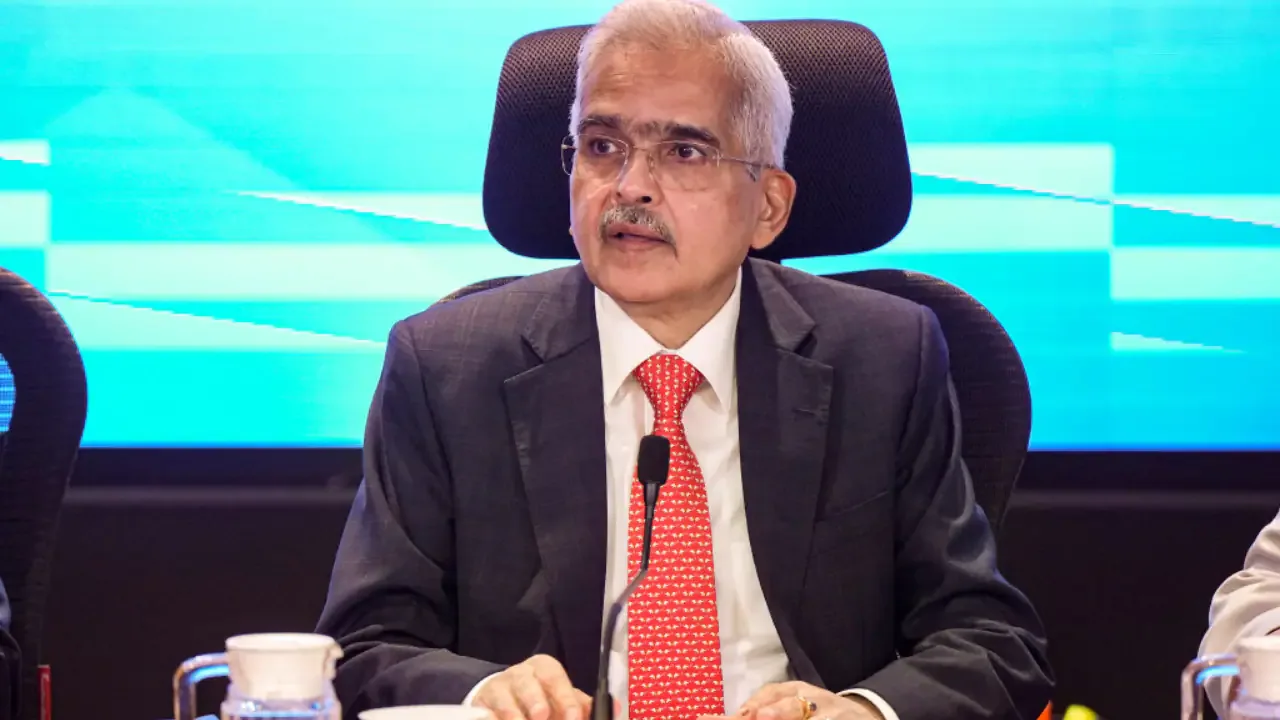
On October 4, Shaktikanta Das, principal secretary to the Prime Minister, emphasized that India's economic resilience is a product of extensive reforms implemented over the last decade. Speaking at the Kautilya Economic Conclave, Das pointed to the establishment of strong institutions and macroeconomic stability as crucial factors that have fortified the economy against global uncertainties.
Das noted that many reforms were not merely temporary measures but rather systemic changes designed to enhance the economy's ability to absorb shocks and recover swiftly. He highlighted flexible inflation targeting, the introduction of the Goods and Services Tax (GST), and advancements in digital payments as pivotal reforms that have strengthened India's economic framework.
Despite global challenges such as geopolitical tensions and high public debt in advanced economies, India’s economy has shown remarkable growth. Das reported a 7.8% increase in real GDP for the first quarter of FY27, attributing this success to robust domestic demand and favorable investment conditions. He reiterated that India is on track for growth averaging slightly above 8% in the upcoming quarters.
Das identified macroeconomic stability as a key pillar of India's resilience, facilitated by the flexible inflation-targeting framework established in 2016. This framework has enabled the country to navigate various crises, including the COVID-19 pandemic and the Russia-Ukraine conflict. He also pointed out the significance of tax reforms, which have streamlined the national market and improved tax compliance.
Looking forward, Das outlined five critical areas for future growth: artificial intelligence, deeper financial markets, strategic self-reliance, sustainable development, and enhancing human capital. He stressed that India’s approach to Atmanirbharta (self-reliance) should not equate to isolation but rather coexistence with global markets. Maintaining the momentum of reforms will be essential for ensuring sustainable and resilient growth in the long term.