India Challenges Pakistan's Moral Authority at UN Over Kargil War
India rebukes Pakistan for its stance on religious freedom while highlighting its refusal to accept the bodies of soldiers from the Kargil War.
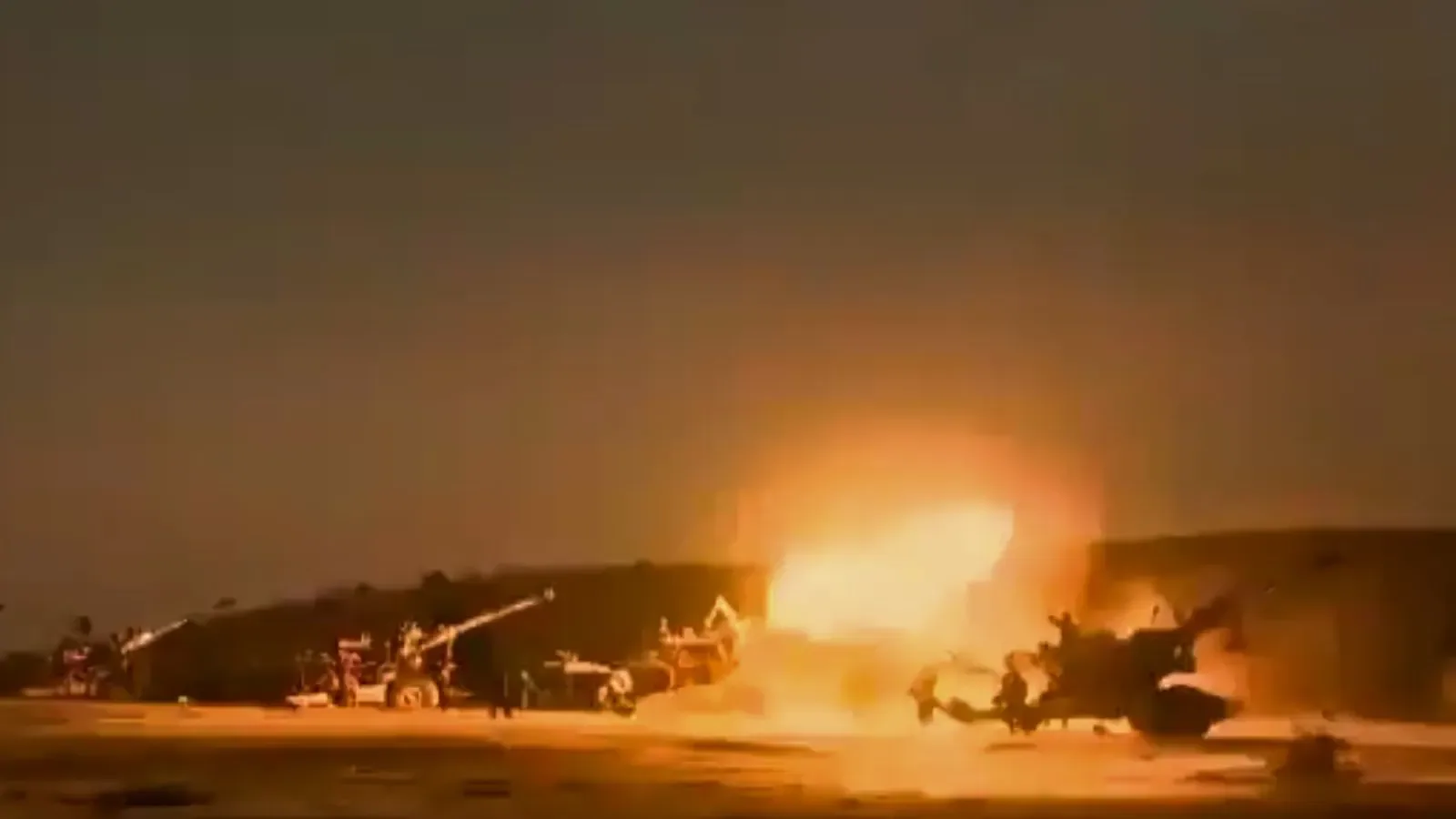
India presented evidence of Pakistan's refusal to accept Kargil War soldiers' bodies.
Indian diplomats criticized Pakistan's hypocrisy regarding religious freedom.
India called for accountability regarding misinformation in UN reports.
In a recent interactive dialogue at the United Nations, India confronted Pakistan over its inconsistent stance on issues of terrorism and religious freedom, particularly referencing the Kargil War of 1999. Bhavika Mangalanandan, First Secretary at India's Permanent Mission to the UN, emphasized that Pakistan's refusal to accept the remains of its soldiers killed in combat undermines its credibility in discussing human rights and religious practices.
Mangalanandan presented compelling evidence during the session, stating, "It's deeply ironic that a state that did not even accept the bodies of its own soldiers who were killed in combat in 1999 in Kargil unabashedly speaks with fervor on faith, religious freedom and burials." She contrasted this with the Indian Army's respectful burial of Pakistani soldiers according to Islamic rites, highlighting a significant moral disparity.
The discussion also touched on Pakistan's ongoing issues with minority rights and religious freedom, with Mangalanandan asserting that Pakistan should focus on its internal problems rather than criticize India. She pointed out that the rights of minorities in Pakistan are frequently violated, questioning the legitimacy of Pakistan's commentary on India's policies in Jammu and Kashmir.
India's diplomatic representatives have previously raised concerns about inaccuracies in reports from UN special rapporteurs, particularly regarding counter-terrorism and human rights. Mangalanandan criticized the selective reporting that seems to ignore similar issues faced by developed nations during the COVID-19 pandemic, suggesting that the focus on the Global South is politically motivated.
Looking ahead, India aims to continue addressing these discrepancies in international forums, advocating for a more balanced and factual representation of human rights issues globally. The ongoing dialogue at the UN underscores the complexities of geopolitical narratives and the importance of accountability in international reporting.