India and China Clash Over Ladakh Naming Dispute on October 13, 2026
India's recent move to standardize names in Ladakh has sparked a diplomatic spat with China, which continues to deny the region's status.
China claims it does not recognize Ladakh as a Union Territory, calling India's naming efforts illegal.
India asserts Ladakh is an integral part of its territory, emphasizing the importance of accurate geographical identification.
This dispute marks the first significant diplomatic tension in two years, highlighting ongoing territorial disagreements.
On October 13, 2026, tensions flared between India and China as New Delhi announced the standardization of names for 28 geographical features in Ladakh. This decision comes amidst a backdrop of historical skirmishes along the Line of Actual Control (LAC), where both nations have faced off during a prolonged standoff. The Chinese Foreign Ministry responded by stating that it has "never recognized" the Union Territory of Ladakh, established in 2019, and labeled India's naming initiative as "illegal and void."
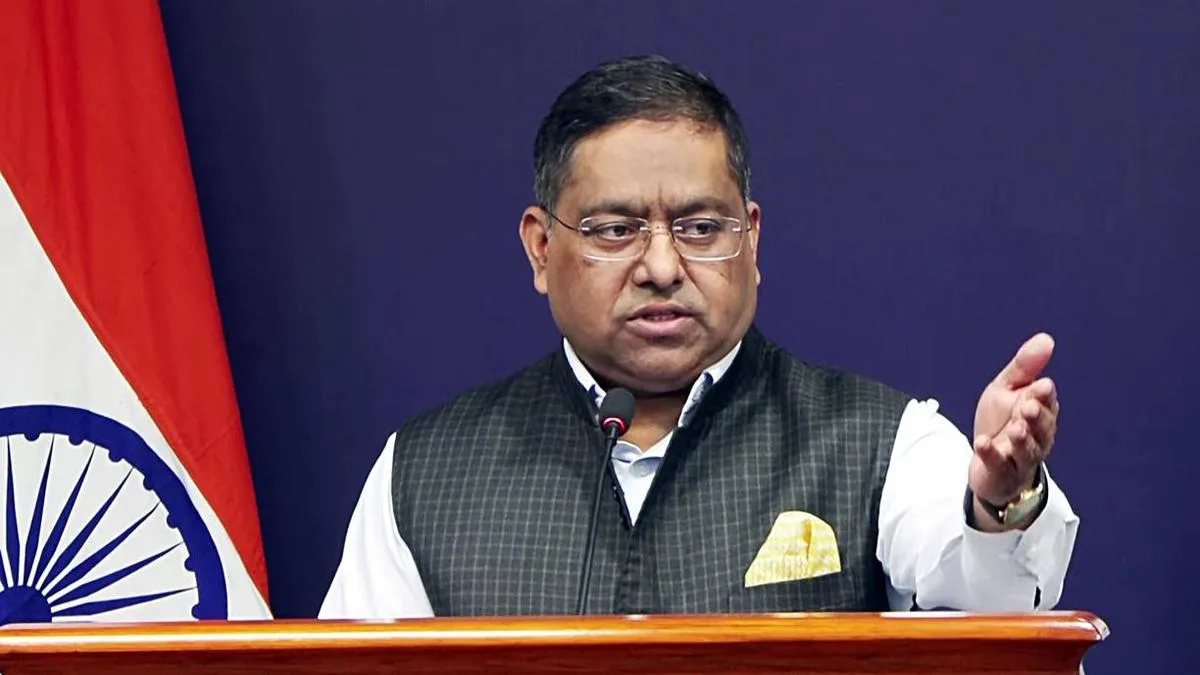
The Ministry of External Affairs (MEA) of India firmly rejected China's claims, with spokesperson Randhir Jaiswal reiterating that Ladakh is an "integral and inalienable part of India." He explained that the formal identification of these locations is intended to enhance public awareness and recognition. This exchange of statements underscores the deep-seated territorial disputes that have persisted between the two nations.
China's spokesperson Mao Ning emphasized that the naming of features by India is a unilateral act that does not alter the reality of the border situation, referring to India's 2019 decision to bifurcate Jammu and Kashmir. This decision had previously drawn sharp criticism from Beijing, which accused India of undermining its territorial sovereignty. The ongoing disputes have seen both sides engage in cartographic measures to reinforce their territorial claims, with India and China both issuing names for various features in contested regions.
The recent spat is significant as it marks the first major diplomatic friction in two years, following efforts to normalize relations after a meeting between Indian Prime Minister Narendra Modi and Chinese President Xi Jinping in 2024. The timing of this dispute, just days after the Survey of India’s announcement, indicates that territorial issues remain a contentious point in bilateral relations.
Looking ahead, the situation remains fluid as both nations continue to assert their claims over the disputed territories. Future diplomatic engagements will be crucial in addressing these longstanding issues, especially as both countries navigate the complexities of their relationship in light of recent developments in Ladakh and beyond.