Houthis Develop Kheibar Shekan Missile with Chinese Parts
Yemen's Houthis are reportedly enhancing their missile capabilities using Chinese components, potentially threatening Saudi Arabia and Israel.
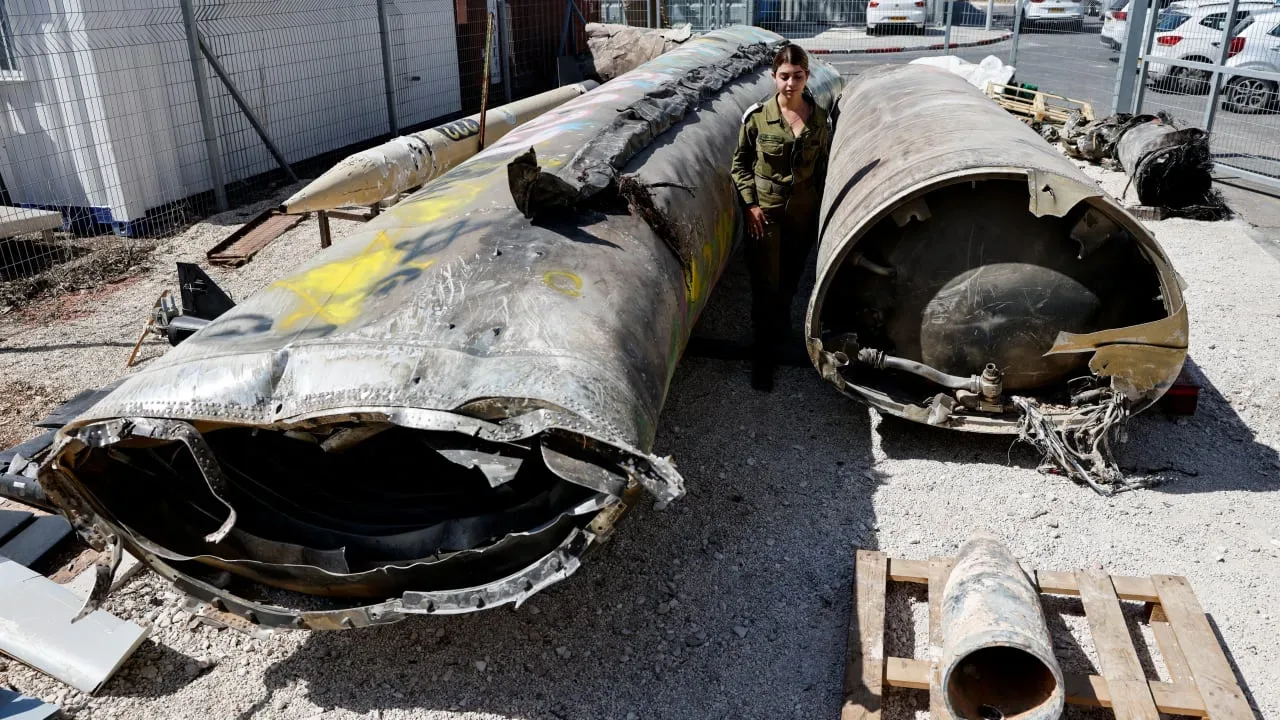
Houthis are creating a version of Iran's Kheibar Shekan missile with Chinese parts.
The missile could reach targets up to 1,200 miles away, including Saudi Arabia and Israel.
China claims compliance with the UN arms embargo despite evidence of missile component imports.
Yemen's Iran-aligned Houthi movement is reportedly advancing its military capabilities by developing a variant of Iran's Kheibar Shekan precision-guided missile. This information comes from a recent report by the Wall Street Journal, which cites findings from Conflict Armament Research, a UK-based monitoring organization. The Houthis are utilizing components sourced from Chinese manufacturers, raising concerns about the implications for regional security.
The Kheibar Shekan missile, once completed, is expected to have a striking range of approximately 1,200 miles. This range would enable the Houthis to target significant areas within Saudi Arabia and Israel, escalating the ongoing conflict in the region. The Houthis, designated as a terrorist organization by the United States and operating under a UN arms embargo, have been engaged in a civil war against the Saudi-supported Yemeni government since 2014.
The report indicates that the development of these missiles is part of a broader context of renewed conflict in Yemen, which has been exacerbated by the wider US-Iran tensions following military actions against Iran. Iranian officials have expressed a willingness to mediate between the Houthis and Saudi Arabia, highlighting the complex geopolitical dynamics at play. The information regarding the missile's development was gathered from Yemeni authorities after they intercepted shipments containing missile components in July 2025.
Key components imported by the Houthis include specialized metal parts for missile construction, such as motor and airframe elements, as well as stabilizing fins and solid-propellant rocket motor components. Yemeni authorities also seized various tools and materials necessary for missile production, raising questions about the extent of the Houthis' manufacturing capabilities. Analysts suggest that while the Houthis may be attempting to produce these missiles, the effectiveness of their facilities remains uncertain due to their concealed nature.
As the situation evolves, the implications for regional stability are significant. The potential deployment of Kheibar Shekan missiles by the Houthis could alter the strategic landscape in the Middle East, prompting responses from both Saudi Arabia and Israel. Observers are closely monitoring the developments, particularly in light of the ongoing tensions between the US and Iran, which continue to influence the conflict dynamics in Yemen and beyond.