Historic Election in Serbia: Student Movement Topples Vucic's Party
Celebrations erupt in Serbia as student-led candidates defeat the ruling party, raising hopes for political reform.

Student-backed candidates won a historic election, ending Vucic's long rule.
The movement's agenda focuses on anti-corruption and judicial reform.
Challenges ahead include forming a government and addressing economic issues.
A significant political shift occurred in Serbia as candidates supported by the student movement triumphed over President Aleksandar Vucic's ruling party in a landmark election. This victory has sparked widespread celebrations across the country, particularly in Belgrade, where jubilant crowds filled the streets, honking car horns adorned with Serbian flags and lighting fireworks to mark the occasion. The election results signify a potential end to Vucic's prolonged hold on power, igniting hopes for a new political era.
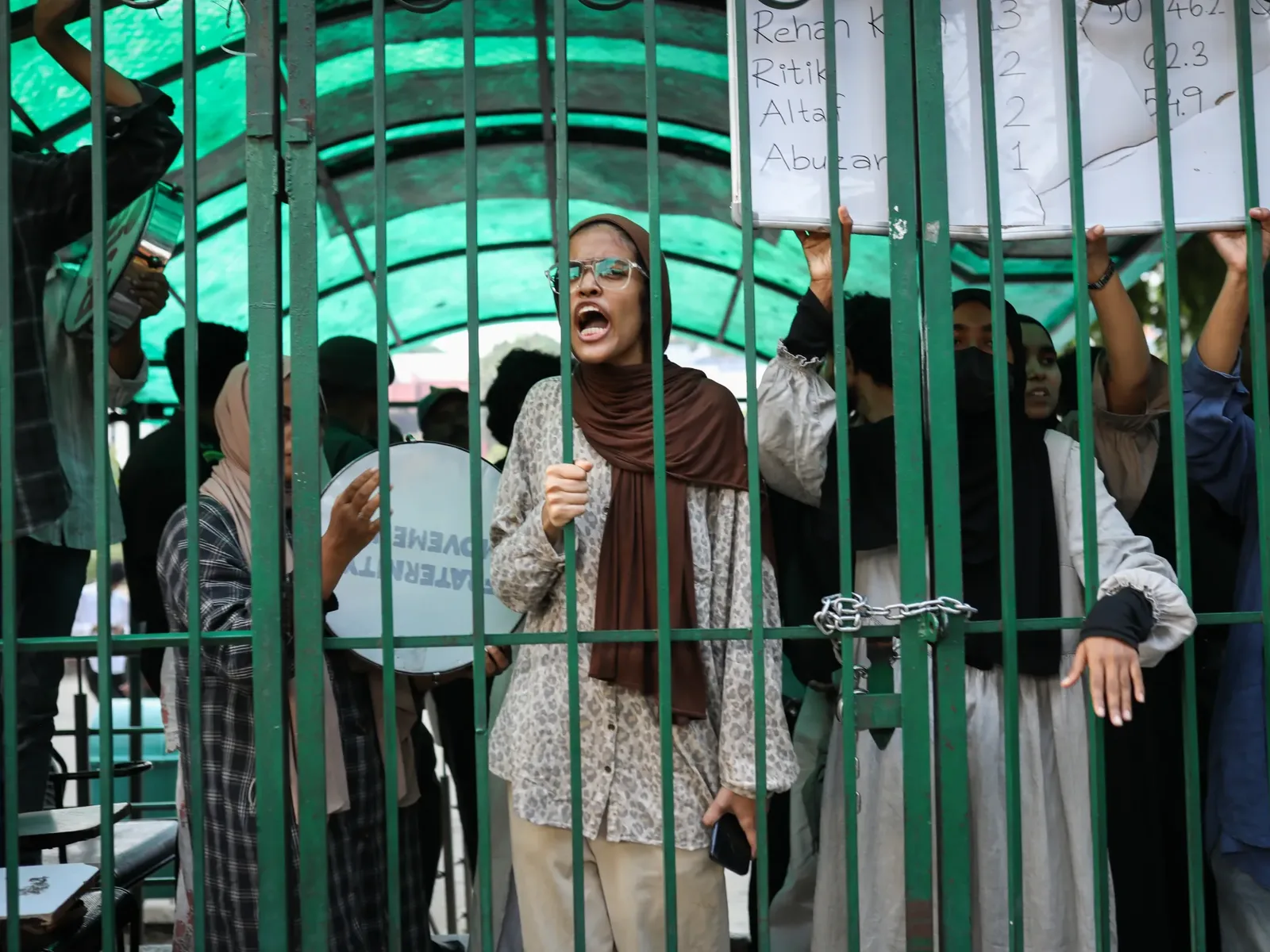
The backdrop to this election is rooted in nearly two years of student-led protests, which began after a tragic incident in 2024 when a canopy collapse at the Novi Sad railway station resulted in 16 fatalities. The protests, fueled by public outrage over corruption and cronyism, evolved into a broader campaign demanding accountability and reform. The student movement, characterized by its leaderless structure, managed to galvanize support nationwide, presenting a diverse slate of 250 candidates from various professional backgrounds, including academics and artists.
The newly elected candidates have outlined a reform agenda that prioritizes anti-corruption initiatives, judicial improvements, and the establishment of robust public institutions. Key proposals include the creation of an independent police unit accountable to prosecutors and enhanced transparency in the appointment processes for state-owned enterprises. However, experts caution that maintaining unity within the movement may pose challenges as they transition from activism to governance. "We will just have to see if it lasts," noted Katarina Popovic, a professor at the University of Belgrade, emphasizing the need for shared goals to sustain the movement's momentum.
Looking ahead, the student-backed candidates face a critical 90-day window to form a government following the final election results. Immediate priorities will include drafting a budget, tackling rising debt levels, and reforming law enforcement and judicial systems. According to Teneo Global Research, the election outcome is expected to catalyze significant institutional changes focused on anti-corruption and improved public services, although bureaucratic resistance and inexperience may complicate the process.
In addition to domestic reforms, foreign policy presents another layer of complexity. The new government is likely to confront challenges regarding Kosovo's independence and relations with the European Union, which have been strained by stalled accession talks. The student movement has also indicated a reluctance to impose sanctions on Russia, a traditional ally. As the political landscape evolves, the ability of the student-led government to navigate these multifaceted issues will be closely scrutinized.