Government Expands Census Enumerator Roles to Private Educators
In a significant change, the Indian government allows private school teachers and members of trusts to serve as Census enumerators.
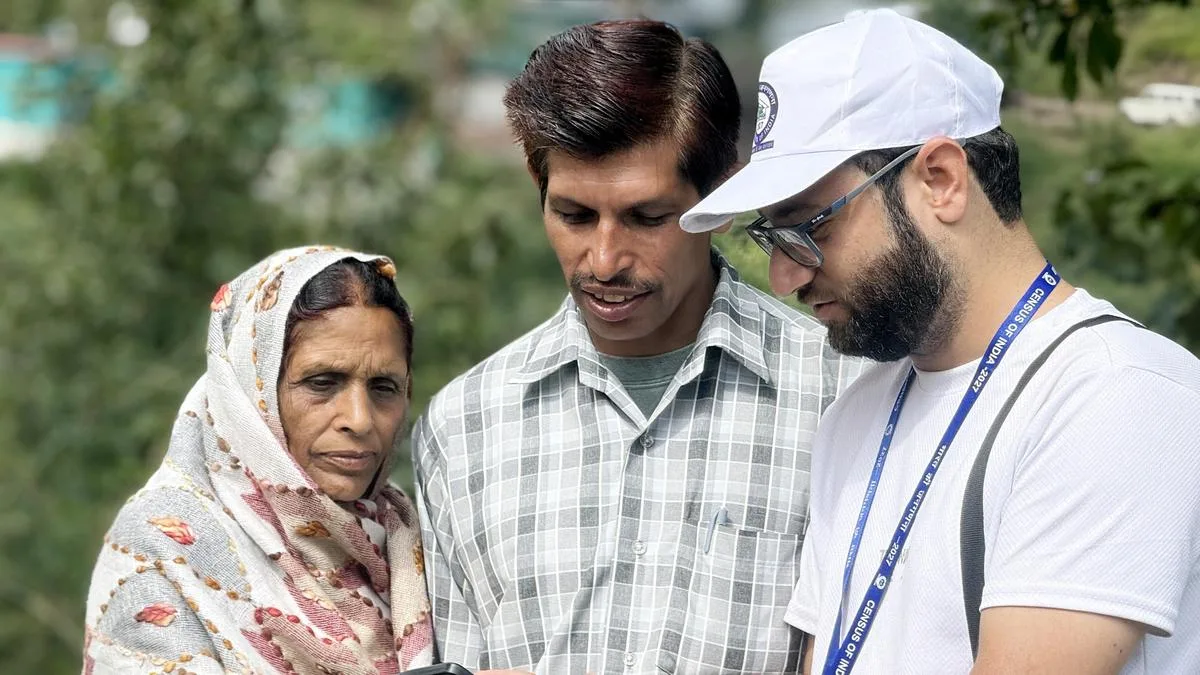
The government has broadened the definition of enumerators to include private school teachers and trust members.
Legal challenges have arisen from private educators regarding mandatory Census duties.
The second phase of the Census will begin in December 2026, requiring around 34 lakh enumerators.
In a landmark decision, the Union government has revised the criteria for appointing Census enumerators, now permitting private school teachers and members of various institutions, societies, and trusts to take on these roles. This change, announced in an official gazette notification on October 16, 2026, marks a significant shift from the previous practice where primarily government school teachers and state officials were engaged in the enumeration process.
Historically, the Census Rules of 1990 included a broad category of 'any person' eligible for appointment as enumerators. However, the recent notification explicitly expands this category, allowing for a more diverse pool of candidates to participate in the Census. This move comes amid rising demands for enumerators, as officials estimate that approximately 34 lakh enumerators will be needed to effectively carry out the Population Enumeration phase, which involves a comprehensive set of 40 questions.
The decision has not been without controversy. Several private teachers in states such as Uttar Pradesh, Maharashtra, and Haryana have challenged the government's directive to undertake Census duties in court. Recently, the Punjab and Haryana High Court issued a stay on communications from the Haryana government that sought to enlist teachers for the Census, providing temporary relief to private unaided schools from deploying their staff. Earlier, the Bombay High Court had also granted interim protection to associations representing over 500 private schools in Maharashtra against coercive measures related to Census participation.
The second phase of the Census, which is set to commence from December 1, 2026, in Uttar Pradesh, Uttarakhand, Goa, and Punjab, will involve door-to-door enumeration. This phase is crucial as it is the first digital Census in India and will include questions on caste, alongside traditional categories like Scheduled Castes and Scheduled Tribes. The nationwide enumeration will follow in February 2027.
Concerns regarding data privacy have been raised, especially with private individuals collecting sensitive information through personal mobile devices. A Census official reassured that all data collected will be centralized, with strict protocols in place to ensure privacy. Once the enumeration task is completed, all data will be deleted from the enumerators' devices and stored securely on a central server. The new set of questions for this Census includes inquiries about digital literacy, bank accounts, and vaccination status, reflecting the evolving needs of data collection in contemporary India.