Ganga Water Treaty Faces Expiration Amid India-Bangladesh Tensions
With the Ganga Water Treaty set to expire on December 12, India and Bangladesh are under pressure to renew discussions amidst strained relations.
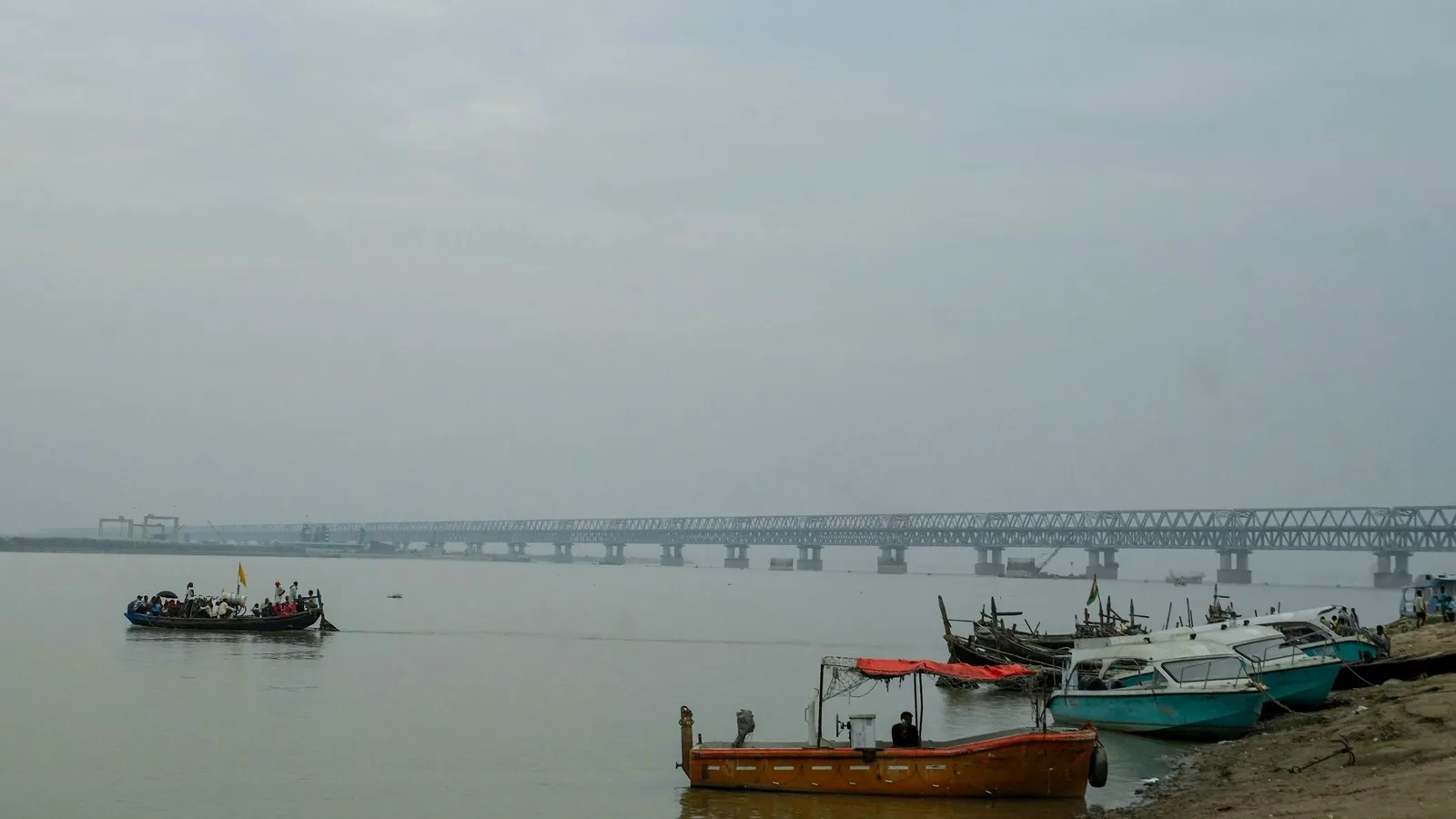
The Ganga Water Treaty, signed in 1996, is at risk of lapsing next month.
Bangladesh has formed a high-level committee to facilitate treaty renewal discussions.
Complex issues such as climate change and population growth complicate negotiations.
As the deadline approaches for the Ganga Water Treaty, which is due to expire on December 12, India and Bangladesh are facing a critical juncture in their bilateral relations. Despite the urgency, formal negotiations for renewing the treaty have yet to commence, raising concerns about the future of water sharing between the two nations. The treaty has been in place for nearly three decades, and its lapse could have significant implications for both countries.
The backdrop to this situation includes a notable downturn in diplomatic ties. Bangladesh's Water Resources Minister, Shahiduddin Chowdhury Anee, reached out to his Indian counterpart, CR Patil, on November 17, proposing discussions to renew the treaty. The urgency of this communication reflects the growing concerns over water management and the need for cooperation, especially as the treaty's expiration date looms.
Complicating the renewal process are various challenges, including the effects of climate change on the Ganga's water flow and increasing water demand driven by population growth in both countries. These factors make it unlikely that a comprehensive agreement can be reached within the limited timeframe available. Both nations had previously agreed to establish a joint technical committee to address these issues, but progress has been slow, particularly following political changes in Bangladesh.
The implications of failing to renew the treaty could be profound, affecting not only water supply but also broader regional cooperation. The Ganga is one of 54 rivers shared by India and Bangladesh, and unresolved disputes over water sharing could exacerbate tensions. Additionally, other pending issues, such as trade and border management, remain unresolved, indicating a need for a holistic approach to negotiations.
Looking ahead, the Indian delegation is scheduled to visit Bangladesh for a joint committee meeting from November 21-23, although the extension of the treaty is not on the agenda. The potential for an interim extension of the treaty has been discussed, but any such arrangement would require approval from the political leadership of both nations. As the deadline approaches, the urgency for dialogue and cooperation has never been more critical.