Gadi Eisenkot's Yashar Party Forms Coalition with Our Home Party
In a significant political move, Gadi Eisenkot's Yashar party has secured its first coalition partner, aiming to establish a new government in Israel.
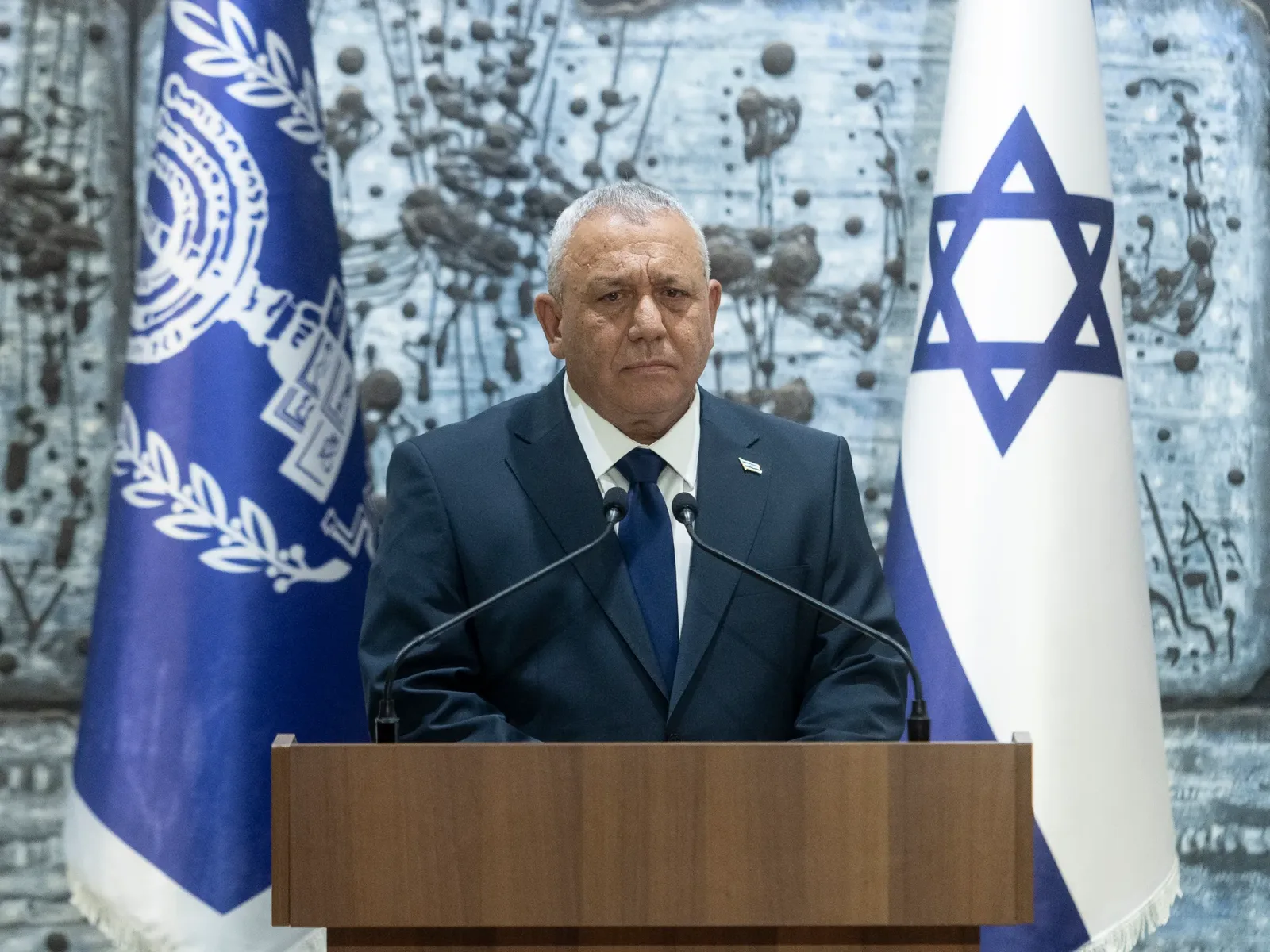
Yashar party aligns with Our Home party led by Avigdor Lieberman.
Eisenkot has until December 6 to form a government after the recent elections.
Coalition discussions include potential support from Arab parties.
Gadi Eisenkot's Yashar party has successfully formed a coalition with the Our Home party, led by Avigdor Lieberman, marking a crucial step in the effort to establish a new Israeli government following the elections held in October. This agreement was announced on Tuesday after a meeting between Eisenkot and Lieberman, making it the first coalition pact since the elections.
The backdrop to this coalition is significant, as no party achieved the necessary 61-seat majority in the Knesset, leading to the parliament being sworn in on November 10 without a new government in place. President Isaac Herzog has tasked Eisenkot with the responsibility of forming a government, while Benjamin Netanyahu continues to serve as caretaker prime minister despite losing his majority in the recent elections.
Eisenkot's Yashar party, which secured 21 seats in the Knesset, and Lieberman's Our Home party, which holds seven seats, have come together despite previous tensions regarding the inclusion of Arab parties in any governing coalition. Lieberman has been a vocal opponent of such alliances, making this coalition unexpected. Netanyahu's Likud party, despite performing better than anticipated in the elections, still holds only 53 seats, falling short of a majority.
The implications of this coalition extend beyond mere numbers; it reflects a potential shift in Israeli politics. Eisenkot's coalition, while holding only 48 seats, may find allies among the Arab parties, which collectively hold 19 seats and share a common opposition to Netanyahu's leadership. Ongoing discussions are also taking place regarding a possible unity government involving Eisenkot, his coalition partners, and Likud, although the left-wing Democrats party has opted to suspend talks with Eisenkot due to his engagement with Netanyahu.
Looking ahead, Eisenkot faces a deadline of December 6 to finalize a government formation under a 28-day mandate, with the option to request a 14-day extension. Should he fail to establish a government, the opportunity would revert to Netanyahu, and the prospect of another election looms if neither can secure a governing coalition.