EPG Report Viewed as Positive by Former Members Amid Official Dismissal
Former members of the India-Nepal Eminent Persons Group assert the report's significance, contradicting the Foreign Secretary's dismissal.
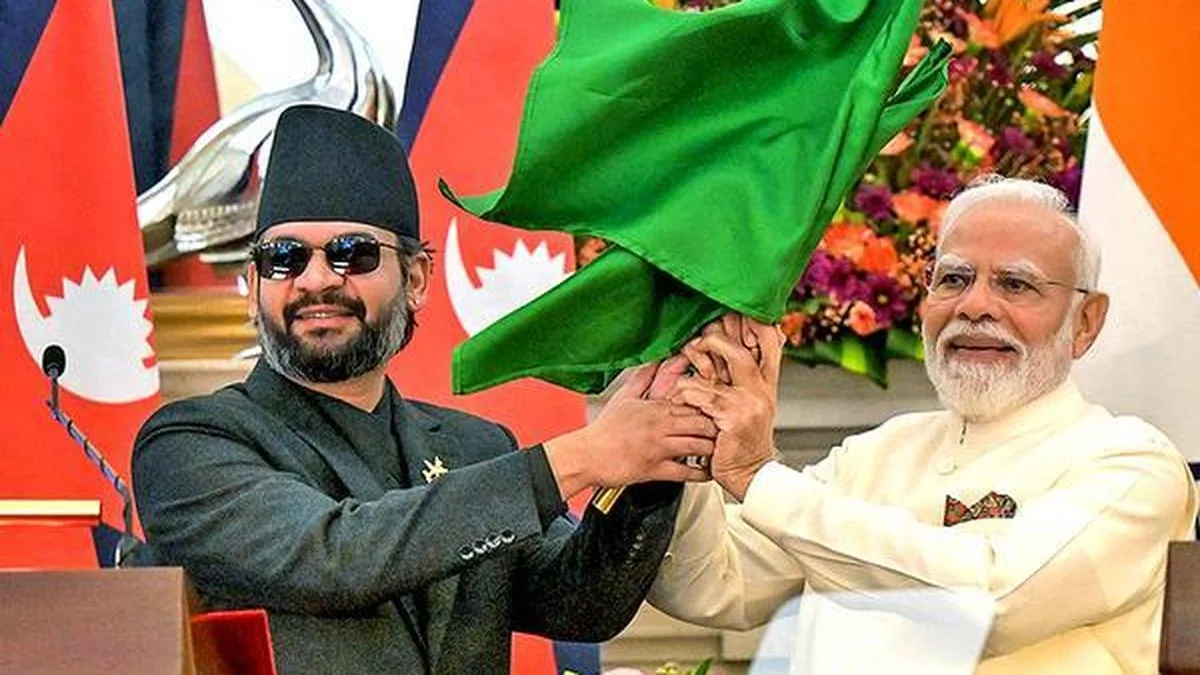
Former EPG members claim the report offers valuable recommendations for India-Nepal relations.
The report was completed in 2018 but has not been publicly presented.
Key figures involved in the EPG continue to play roles in current India-Nepal diplomatic relations.
In a recent development regarding India-Nepal relations, former members of the Eminent Persons Group (EPG) have expressed strong support for the group's report, describing it as 'highly positive' for both nations. This statement comes in stark contrast to Foreign Secretary Vikram Misri's recent remarks, where he deemed the report 'not relevant' and emphasized a 'forward-looking' approach to boundary issues with Nepal. The EPG report, which has remained under wraps since its completion in 2018, is believed to contain significant recommendations that could enhance bilateral ties.
Mahendra P. Lama, a former professor at Jawaharlal Nehru University and EPG member, highlighted the extensive research and field visits that informed the report. He noted that the group engaged with various stakeholders, including visits to key ports like Visakhapatnam, which are crucial for Nepal. Lama criticized the lack of opportunity for the EPG to present their findings to the Indian government, calling it 'odd' given the report's potential impact on Delhi-Kathmandu relations.
The EPG report addresses a wide range of issues, including the longstanding Kalapani dispute and the 1950 India-Nepal Friendship Treaty. Bhek Bahadur Thapa, the former Nepali ambassador and EPG coordinator, emphasized that the report was a product of bilateral consultation, not a unilateral document. He expressed disappointment that the report could not be launched in India, as it was intended to be unveiled by the Indian Prime Minister before a simultaneous announcement in Kathmandu.
The EPG was established following discussions between Prime Minister Narendra Modi and former Nepali Prime Minister K.P. Sharma Oli in February 2016, amid tensions related to a blockade on the Nepal-India border. The report's delay in public presentation raises questions about its future relevance and the ongoing dynamics of India-Nepal relations. Current officials involved in these relations were also part of the EPG process, indicating a continuity of diplomatic engagement.
Looking ahead, the implications of the EPG report for India-Nepal relations remain to be seen. As both nations navigate their diplomatic ties, the recommendations within the report could serve as a foundation for future discussions. The upcoming months may reveal whether the Indian government will reconsider its stance on the EPG findings and how this will affect bilateral cooperation moving forward.