G7 Announces Release of 100 Million Barrels of Oil and Diesel
In a bid to combat rising energy prices, G7 nations will release 100 million barrels of oil and diesel from reserves over the next few months.
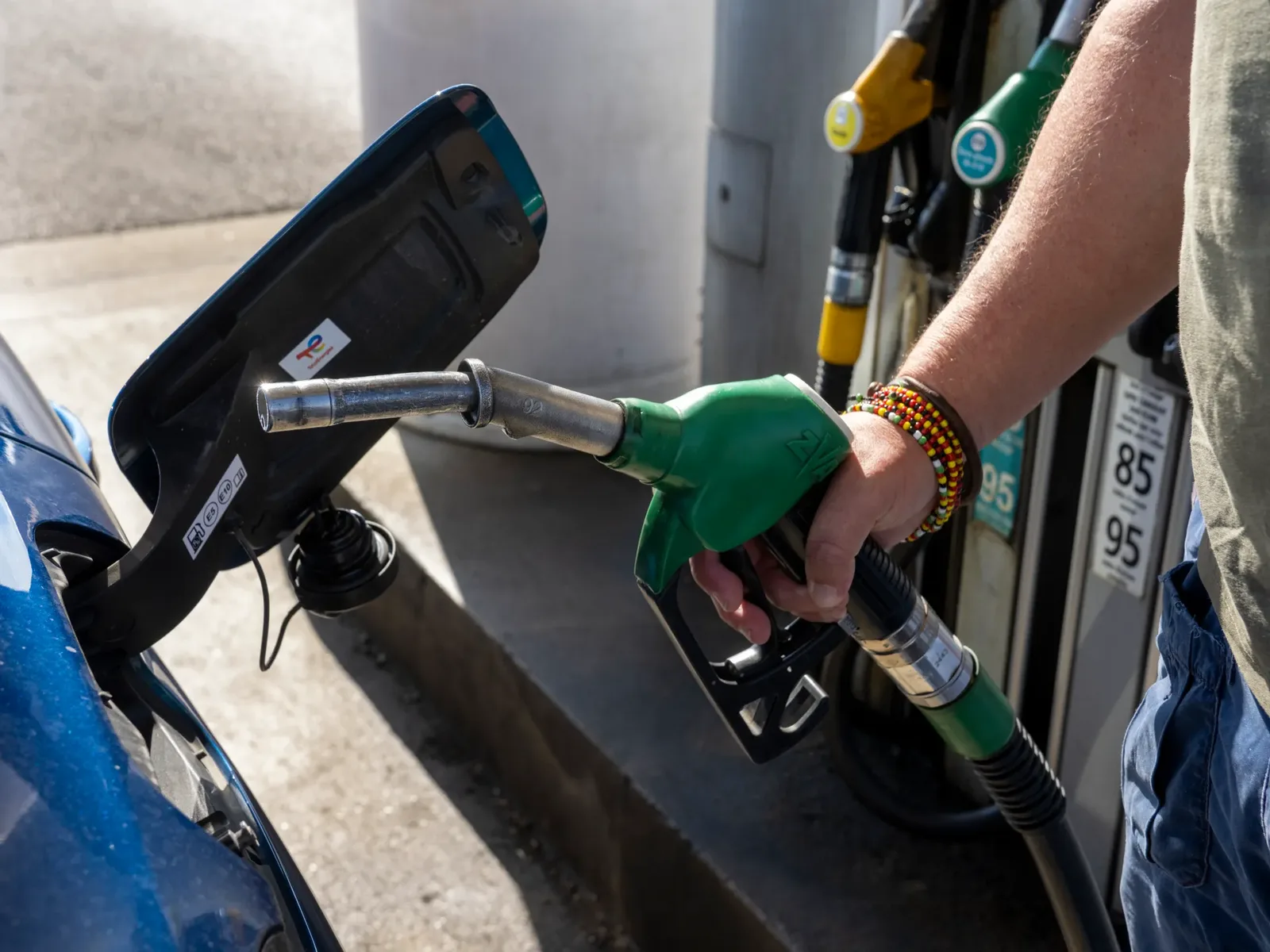
G7 countries will release 100 million barrels of oil and diesel to address soaring energy prices.
The release is a response to geopolitical tensions affecting global oil supply.
Experts caution that the impact on prices may be temporary and insufficient to resolve underlying supply issues.
The Group of Seven (G7) nations have agreed to release 100 million barrels of crude oil and diesel from their emergency reserves in an effort to mitigate the escalating energy prices driven by geopolitical tensions. This decision follows a video conference led by French President Emmanuel Macron, where leaders discussed the urgent need to stabilize the market amid rising costs attributed to the ongoing conflicts involving the US, Israel, and Iran, as well as Russia's war in Ukraine.
The recent surge in global energy prices has been significantly influenced by disruptions in oil exports from the Middle East and Russia, alongside increased demand during the agricultural harvesting season. Diesel prices, in particular, have reached record highs, with the average gallon costing $6.50, a notable increase from $5.61 just a month prior. The G7's coordinated release is expected to commence immediately and will include a substantial diesel release within the first 20 days, although specific details on the contributions from each member remain unclear.
In a joint statement, the G7 emphasized their commitment to addressing the supply crunch and preventing simultaneous refinery shutdowns among member countries. The International Energy Agency (IEA) noted that two-thirds of a previous agreement to release 400 million barrels had already been fulfilled, indicating a proactive approach to managing energy supplies. However, experts like Hamad Hussain from Capital Economics have expressed skepticism about the long-term effectiveness of this measure, suggesting that while it may provide temporary relief, it does not address the fundamental supply issues that persist in the market.
The implications of this energy release extend beyond immediate price adjustments. With diesel being a critical fuel for transportation and agriculture, fluctuations in its price can have a cascading effect on the economy, impacting food prices and logistics. As diesel prices rise, they act as a tax on production, potentially leading to stagflation—a scenario where inflation rises while economic growth stagnates. This situation poses a dilemma for central banks, which must balance between stimulating growth and controlling inflation.
Looking ahead, the G7 plans to convene in the coming days to discuss further measures, including additional diesel releases if necessary. The geopolitical landscape remains volatile, and the effectiveness of the G7's actions will be closely monitored as markets respond to these developments. The situation underscores the interconnectedness of global energy markets and the challenges faced by nations in ensuring energy security amidst ongoing conflicts.