Former CJI Gavai Critiques Justice Bhuyan's Remarks on Electoral Rolls
Former Chief Justice B R Gavai and retired judges express concerns over Justice Ujjal Bhuyan's comments on pending electoral matters.
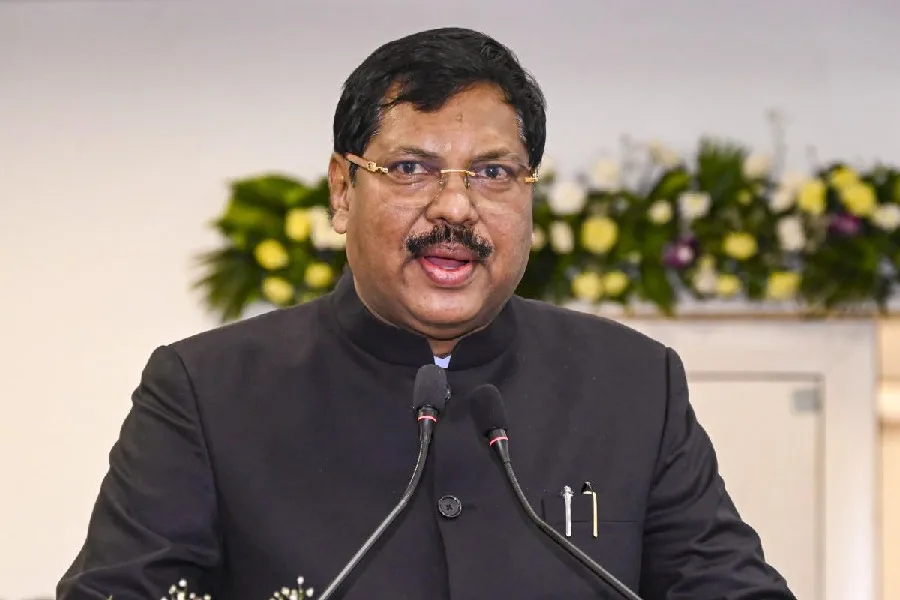
Justice Bhuyan's remarks on electoral rolls are criticized for being inappropriate due to the ongoing case.
Former CJI Gavai emphasizes judicial propriety, stating judges should refrain from commenting on sub judice matters.
Retired judges question the characterization of the electoral revision process as disenfranchisement.
Former Chief Justice of India B R Gavai, along with two retired judges from the Delhi High Court, has raised concerns regarding comments made by Supreme Court Justice Ujjal Bhuyan on the Special Intensive Revision (SIR) of electoral rolls. These remarks were made during a public address at the NALSAR University of Law, where Justice Bhuyan stated that processes disenfranchising millions of citizens are arbitrary and undermine constitutional principles. Given that the issue is currently pending before the Supreme Court, Gavai and others argue that such statements are inappropriate and could compromise judicial integrity.
The backdrop to this controversy lies in the ongoing legal discussions surrounding the SIR process, which aims to revise electoral rolls. Justice Bhuyan's comments, which suggest that the process could create a class of citizens with and without voting rights, have been met with criticism from legal experts. Gavai pointed out that a sitting judge should maintain a neutral stance on matters awaiting judicial resolution, emphasizing the importance of judicial propriety in maintaining public trust in the legal system.
In response to Justice Bhuyan's remarks, retired judges S N Dhingra and R S Sodhi echoed Gavai's sentiments. Justice Dhingra remarked that Bhuyan's comments exceeded the acceptable boundaries for a judge, particularly in a public forum. He indicated that judges should be cautious and fully informed before making statements on ongoing cases. Justice Sodhi further questioned the framing of the SIR as disenfranchisement, asserting that voting rights are determined by statutory regulations, and any issues regarding electoral rolls should be addressed through established legal channels.
The implications of this discourse extend beyond the courtroom, as it raises questions about the integrity of the electoral process and the role of the judiciary in public discourse. The ongoing debate highlights the delicate balance between judicial independence and the need for judges to engage with societal issues. As the Supreme Court continues to deliberate on the SIR and related matters, the public and legal community are closely watching how these discussions unfold and what impact they may have on electoral integrity in India.
Looking ahead, the Supreme Court is expected to address the pending pleas regarding the SIR process and the validity of new electoral laws, which have significant implications for the electoral framework in India. The legal community anticipates that the court's decisions will clarify the boundaries of judicial commentary and the statutory framework governing voting rights, shaping the future of electoral governance in the country.