Disproportionate Flagging of Muslims in Delhi's Electoral Rolls
Recent analysis reveals that Muslims are disproportionately flagged in Delhi's draft electoral rolls during the SIR process.
Muslims represent 13.6% of electors but account for 20.3% of discrepancies flagged.
30% of flagged discrepancies relate to family size indicators.
Flagging decisions were made by the ECI's ERONET software, not local Electoral Registration Officers.
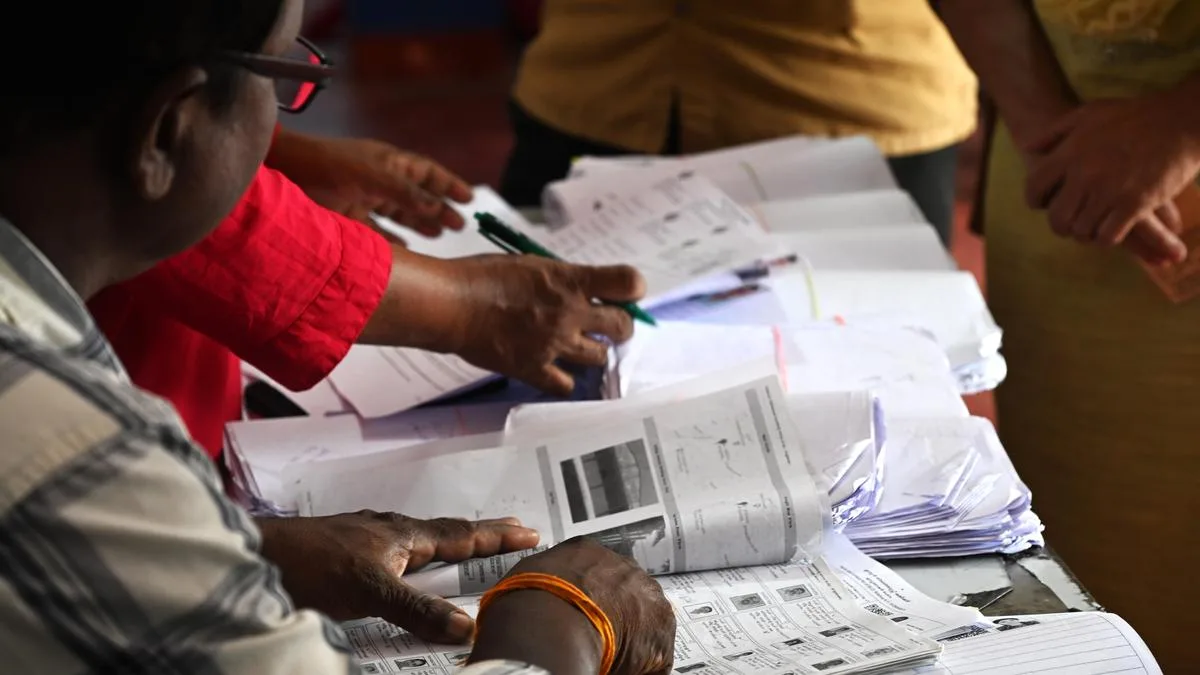
A recent examination of the draft electoral rolls in Delhi, part of the special intensive revision (SIR) process, has uncovered significant disparities in how different communities are flagged for discrepancies. The analysis indicates that Muslims, who constitute 13.6% of the electorate in the draft rolls, represent a striking 20.3% of individuals flagged for 'logical discrepancies'. This raises concerns about the fairness and accuracy of the electoral roll verification process.
The SIR process, which aims to ensure the integrity of electoral rolls, utilizes a software-driven approach to identify discrepancies. However, the findings suggest that this method may disproportionately affect certain demographics, particularly Muslims. Furthermore, a notable 30% of the discrepancies flagged were associated with indicators related to family size, suggesting a potential bias in how these checks are implemented.
It is important to note that the responsibility for determining which entries are flagged does not lie with the local Electoral Registration Officers (EROs), who are the designated custodians of the electoral rolls. Instead, the decisions are made by the Election Commission of India's (ECI) centralized ERONET software, which raises questions about the transparency and accountability of the process.
The implications of these findings are significant for the electoral landscape in Delhi and could affect public trust in the electoral process. The disproportionate flagging of Muslims may lead to disenfranchisement and could impact voter turnout within this community. As the SIR process continues, it is crucial for the ECI to address these concerns to ensure that all voters are treated equitably.
Looking ahead, the Election Commission is expected to review the findings and possibly adjust the software algorithms used in the flagging process. Stakeholders, including civil rights organizations, are likely to monitor the situation closely, advocating for a more transparent and fair electoral process that protects the rights of all citizens.