Delhi Police Mobilizes Thousands to Prevent Protests Against Election Chief
In a significant show of force, Delhi authorities deployed extensive security measures to thwart protests against Chief Election Commissioner Gyanesh Kumar.
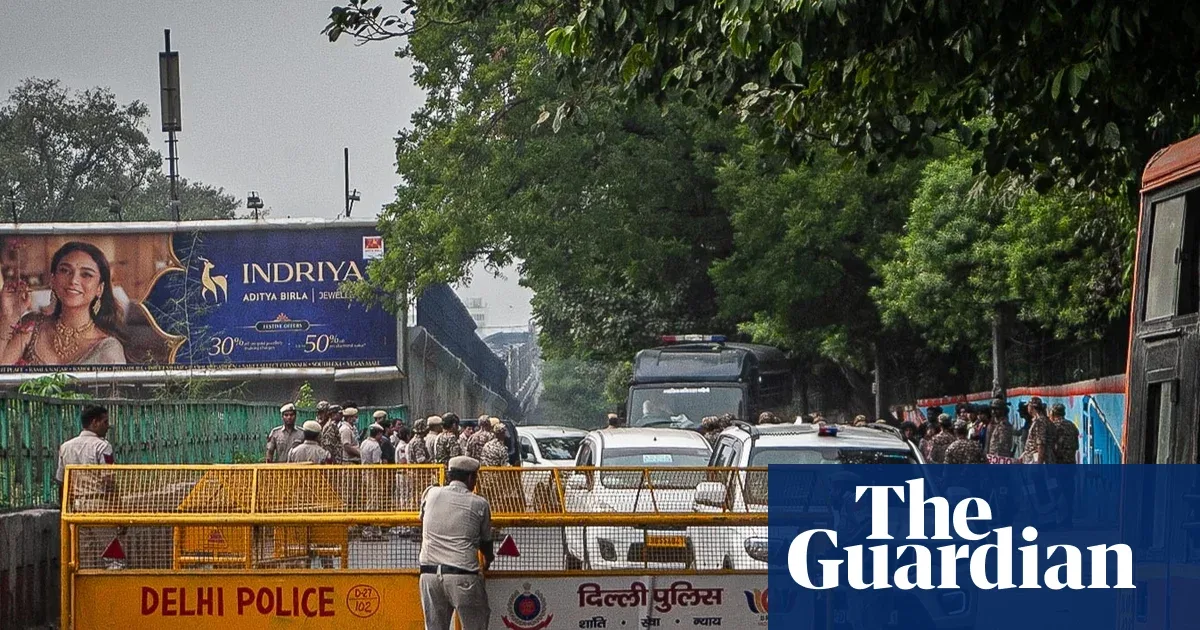
Delhi Police cordoned off Connaught Place to prevent protests.
Over 7,000 individuals were detained amid heavy police presence.
Protesters faced violence from right-wing groups as police stood by.
In a dramatic escalation of security measures, the Delhi Police implemented extensive barricades and mobilized thousands of personnel to prevent protests against Chief Election Commissioner Gyanesh Kumar on Saturday. The city center, particularly Connaught Place, was heavily fortified, with automated announcements warning citizens against gathering or marching. This unprecedented response was aimed at quelling dissent over allegations that Kumar had manipulated voter rolls to benefit the ruling Bharatiya Janata Party.
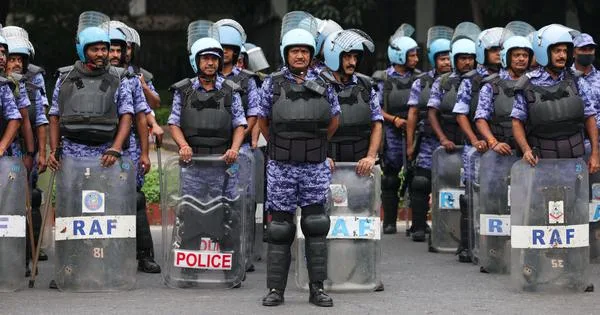
The backdrop to this situation involved a series of preemptive actions by the Modi government, including the cancellation of numerous trains to Delhi and the shutdown of metro stations in the vicinity of protest sites. Additionally, mobile internet services were suspended late Friday night, further restricting communication among potential protesters. The deployment of a vast array of security forces, including personnel from various state and central agencies, underscored the government's determination to maintain order.
As the day unfolded, mass arrests targeted the leadership of the Cockroach Janata Party, a youth group opposing government corruption. Despite these efforts, protests did occur, with demonstrators gathering at various locations, including Tolstoy Road, where individuals expressed their frustrations against the barricades. Reports indicated that approximately 7,000 people had been detained by the evening, highlighting the scale of the police crackdown.
The implications of these events extend beyond the immediate protests. The heavy-handed approach by authorities raises concerns about civil liberties and the right to dissent in India. Many citizens, including those simply trying to navigate the city, faced disruptions due to the lockdown measures. The situation has drawn criticism from various quarters, with accusations that the police are colluding with right-wing groups to intimidate and assault protesters.
Looking ahead, the political climate in Delhi remains tense, with potential for further protests and unrest. The government's actions have sparked a national conversation about the balance between security and civil rights, as citizens and activists alike prepare for the possibility of renewed demonstrations in the coming days.