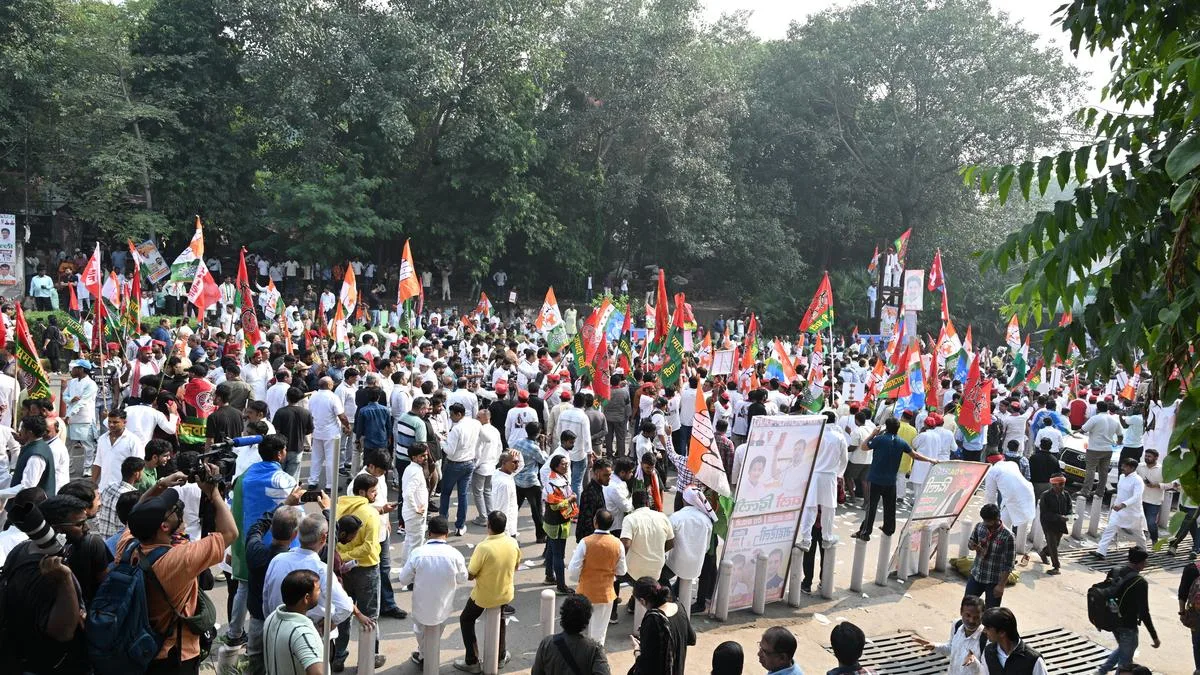
Delhi Police Defends Jantar Mantar De-Notification in Supreme Court
The Delhi Police Commissioner argues that Jantar Mantar should not be a designated protest site due to public safety concerns.
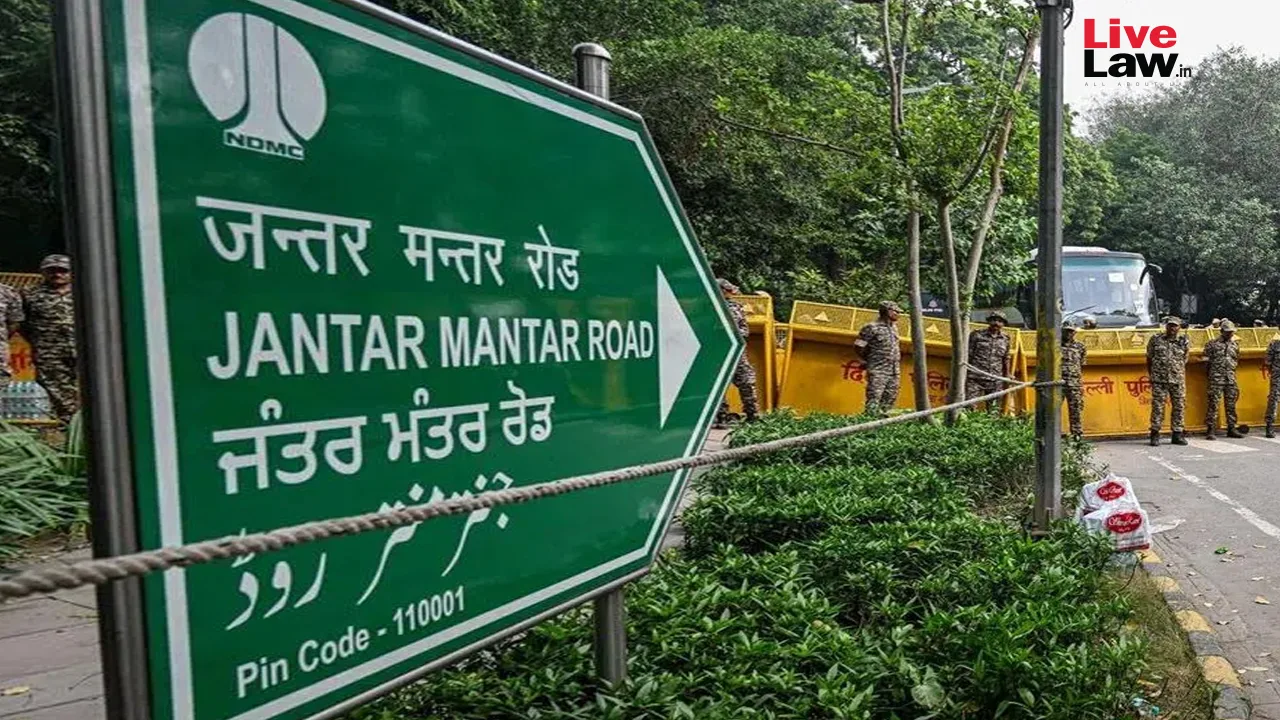
Jantar Mantar has been de-notified as a protest site, with three alternative locations designated.
The police cited public safety, traffic management, and proximity to vital installations as reasons for the decision.
Over 1,300 protests occur annually at Jantar Mantar, raising concerns about crowd management and public order.
In a significant legal development, the Delhi Police Commissioner has submitted an affidavit to the Supreme Court, defending the recent decision to de-notify Jantar Mantar as a designated protest site. The Commissioner, Anurag Kumar, emphasized that this decision was made in the interest of public safety and traffic management, asserting that Jantar Mantar is essentially a public road and should not have been designated for protests in the first place.
The background of this decision stems from increasing concerns regarding public order and safety in the vicinity of Jantar Mantar, which has historically been a hub for protests. The police noted that the area has witnessed over 1,300 protests annually, often exceeding the venue's capacity of approximately 1,500 people. This has raised significant issues related to crowd management and the impact on local residents and businesses, particularly given the presence of numerous government offices and foreign embassies nearby.
In the affidavit, the police outlined that three alternative sites—Ramlila Maidan, CBD Ground, and Burari Ground—have been designated for protests. This decision followed recommendations from a committee formed by the Ministry of Home Affairs, which unanimously concluded that Jantar Mantar was no longer suitable for such activities. The police highlighted that the proximity of the new Parliament building further necessitated a reevaluation of protest locations to ensure security and order.
The implications of this decision extend beyond just the immediate area of Jantar Mantar. The police underscored that persistent protests could obstruct access to essential services, including hospitals, and disrupt the daily lives of residents. With a daily footfall of approximately 146,000 people in the area, the need for maintaining public order is critical. The affidavit also pointed out that the right to protest must be balanced with the rights of non-protesting citizens, emphasizing that no group can claim an absolute right to protest at a specific location.
Looking ahead, the Supreme Court is expected to review the affidavit and the circumstances surrounding the de-notification of Jantar Mantar. The police have requested that the court refrain from interfering with the decision, arguing that it is in the best interest of public safety and order. The upcoming hearings will likely address the broader implications of this policy change on the right to protest in the capital.