Delhi Air Quality Plummets to 'Very Poor' as GRAP-II Activated
With Diwali approaching, Delhi's air quality has significantly deteriorated, prompting the implementation of GRAP-II restrictions.
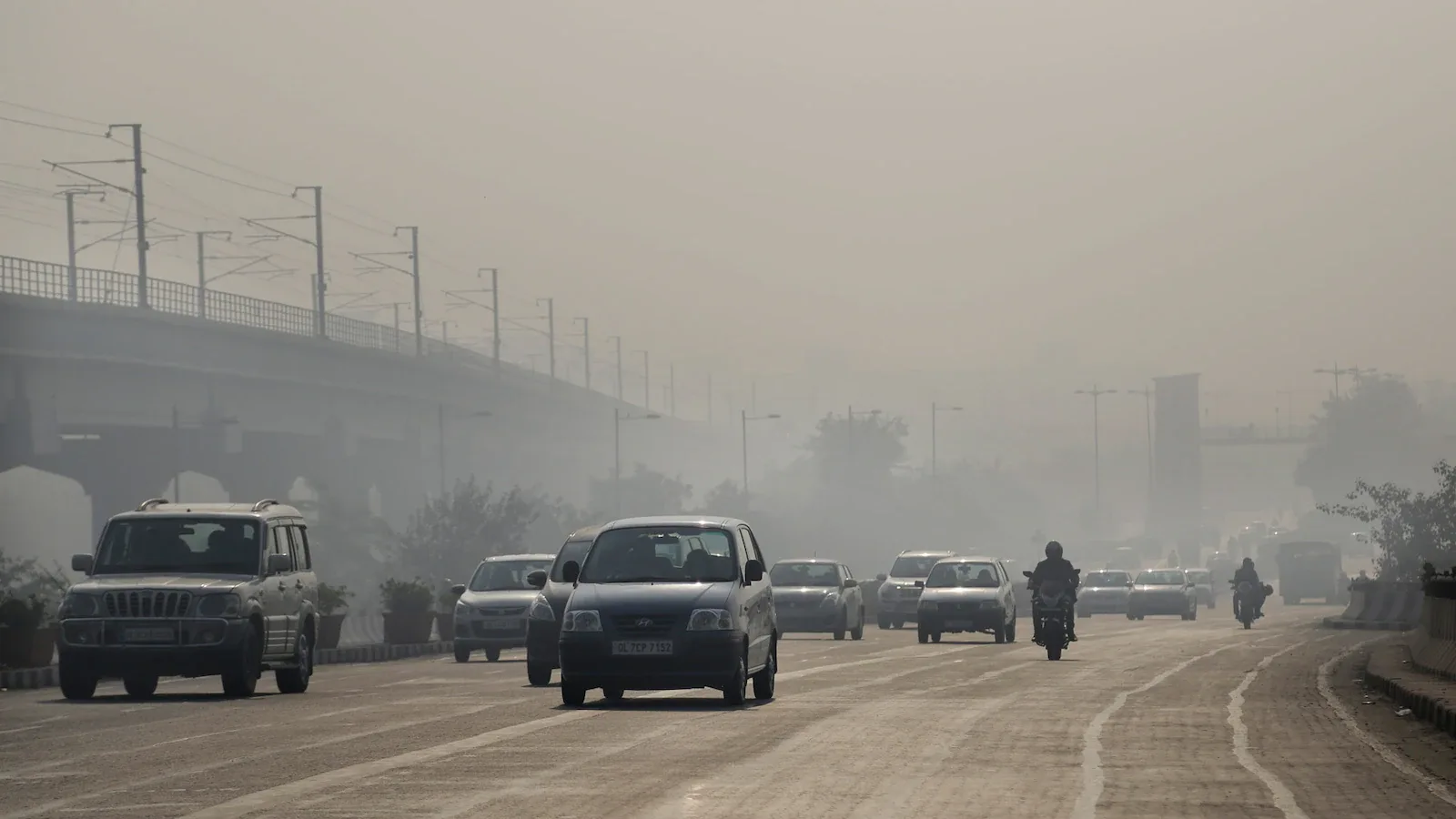
Delhi's average AQI reached 324, categorizing it as 'Very Poor'.
GRAP-II restrictions include increased public transport and road cleaning measures.
The late onset of stubble burning due to delayed rains may worsen pollution levels this year.
As Diwali approaches, air quality in Delhi and the surrounding National Capital Region has sharply declined, leading to the activation of the Graded Response Action Plan Stage II (GRAP-II). The Commission for Air Quality Management (CAQM) has enforced these restrictions immediately after the average Air Quality Index (AQI) in Delhi hit 324, placing it firmly in the 'Very Poor' category.
The GRAP-II measures include a range of actions aimed at mitigating pollution, such as mechanical road sweeping, water sprinkling, and increased parking fees to discourage the use of personal vehicles. Additionally, there will be enhancements in public transport services, including more frequent Metro trains and the deployment of CNG and electric buses to reduce reliance on fossil fuel-powered vehicles.
Prior to this, GRAP-I was implemented on October 21 when the AQI was recorded at 244. The initial measures focused on promoting public transport usage, ensuring compliance with Pollution Under Control (PUC) certificates, and restricting older diesel and petrol vehicles. Furthermore, the use of coal and firewood in roadside eateries was banned, alongside limitations on diesel generators.
Typically, Delhi experiences the onset of smog by early October; however, this year’s late monsoon rains and strong winds initially cleared the air. Experts warn that pollution levels could escalate this winter due to the El Nino phenomenon, which is known to disrupt weather patterns and exacerbate pollution.
Manoj Kumar, an analyst at the Centre for Research on Energy and Clean Air, reported a significant increase in the mean AQI from 280 in the winter of 2022-23 to 304 in the current season. The annual cycle of stubble burning by farmers in neighboring states like Punjab, Haryana, and Uttar Pradesh typically contributes to Delhi's pollution crisis. With late rains delaying harvests, the peak stubble-burning season is now expected to occur in late October and November, coinciding with calm winter winds that trap smoke in the region.