CJP Leader Saurav Das Halted at Delhi Airport Amid Passport Controversy
Saurav Das, a leader of the Cockroach Janta Party, was stopped from flying to London after a last-minute passport notice raised questions about his birthplace.
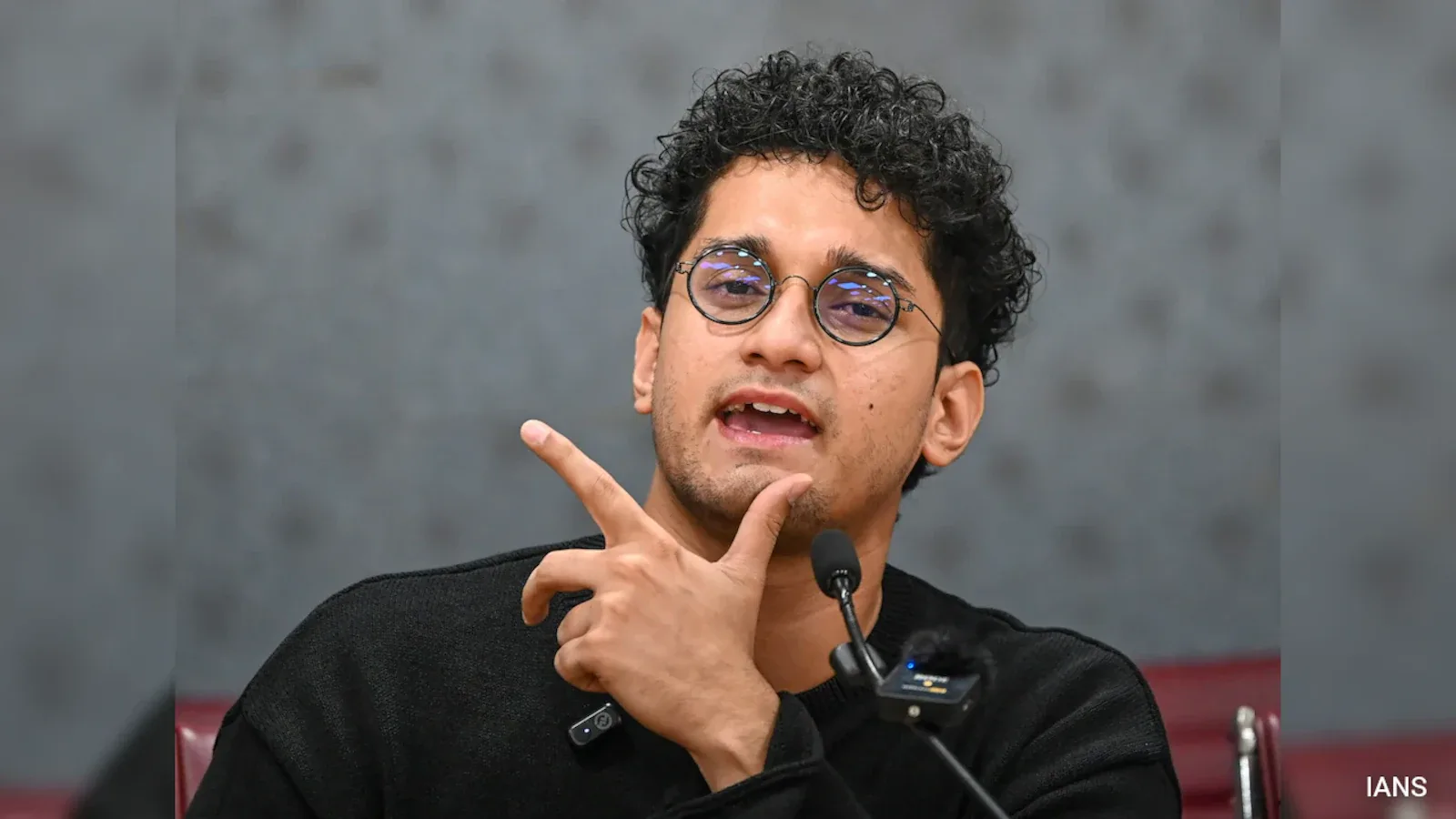
Saurav Das was prevented from boarding a flight to London due to a show-cause notice from the Regional Passport Office.
The notice was issued hours before his flight, citing discrepancies in his passport application.
The Delhi High Court declined to hear Das's urgent plea against the travel restriction.
Saurav Das, a prominent figure in the Cockroach Janta Party (CJP), faced an unexpected travel disruption when he was stopped at Delhi's Indira Gandhi International Airport on November 23, 2026. The Ministry of External Affairs (MEA) revealed that the Regional Passport Office (RPO) in Chennai issued a show-cause notice regarding his passport, questioning the accuracy of his birthplace information. This incident occurred just before Das was set to travel to London for a speaking engagement.
The controversy surrounding Das's travel stems from the issuance of the show-cause notice, which he received only hours prior to his scheduled flight. Das criticized the timing of the notice, labeling it a "cowardly ploy" aimed at suppressing his freedom of speech. He emphasized that his passport, issued in 2019, had previously allowed him to travel without issues, raising concerns about the sudden scrutiny of his credentials.
During a media briefing, MEA spokesperson Randhir Jaiswal explained the rationale behind the notice, stating that any discrepancies reported by law enforcement could lead to such actions. The notice, dated November 23, required Das to clarify his birthplace within seven days and advised him against using his passport until he responded. Jaiswal reiterated the importance of providing accurate information during the passport application process.
The implications of this incident extend beyond Das's personal situation. The Delhi unit of the ruling Bharatiya Janata Party (BJP) accused him of attempting to mislead the public, asserting that he was not invited to deliver a lecture at the University of Oxford but rather to participate in an event organized by the Oxford Union. This has sparked a broader debate about freedom of expression and the government's role in regulating travel for political figures.
Looking ahead, Das's legal team is pursuing a court challenge against the restrictions imposed on his travel. However, the Delhi High Court has so far declined to expedite his plea, with the matter scheduled for further hearing. As the situation unfolds, it raises critical questions about the intersection of politics, law, and individual rights in India.