BJP's Nandigram Bye-Election Campaign Faces Allegations of Intimidation
With the October 6 bye-election approaching, the BJP's campaign in Nandigram is marred by accusations of police intimidation and a lack of genuine opposition.
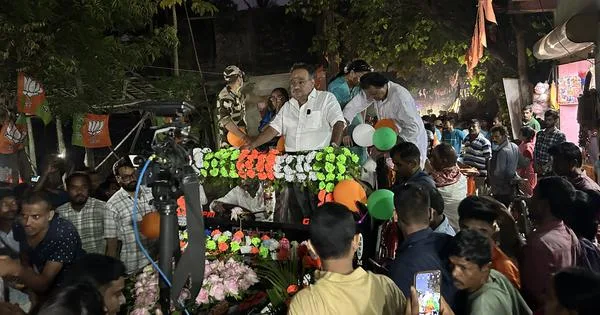
BJP candidate Hasirani Rath aims for a significant victory margin in Nandigram.
Allegations arise against the ruling party for using state machinery to suppress opposition.
Voter sentiment reflects a shift towards the BJP amidst concerns over the Trinamool Congress's decline.
As the bye-election in Nandigram approaches on October 6, the Bharatiya Janata Party (BJP) is facing serious allegations of using intimidation tactics against opposition candidates. Milan Pradhan, the Congress nominee, has struggled to campaign effectively amidst the overwhelming presence of BJP's campaign machinery, including loudspeakers and police oversight. This situation highlights the uneven political landscape in Nandigram, particularly following the BJP's recent governance in West Bengal.
The Nandigram constituency has been a focal point of political contention since the BJP took control in 2021. Chief Minister Suvendu Adhikari, who has represented this seat, is now supporting Hasirani Rath, the BJP candidate and mother of a slain political aide. Controversy has surrounded the bye-election from the outset, with the Trinamool Congress (TMC) withdrawing its candidate and endorsing the Congress nominee, only for Pradhan to face legal troubles that hindered his campaign.
Despite being granted interim bail to resume campaigning, Pradhan's efforts appear futile against the BJP's dominance. Reports indicate that local law enforcement has been complicit in suppressing opposition activities, with Congress leaders claiming that police actions have created an environment of fear. Instances of detentions and intimidation tactics have been reported, raising concerns about the integrity of the electoral process in Nandigram.
The implications of this election extend beyond Nandigram, as the BJP's tactics may set a precedent for future elections in West Bengal. Observers note that the political violence and suppression of dissent could discourage voter participation and undermine democratic processes. The apparent absence of a robust opposition raises questions about the future of political plurality in the region.
Looking ahead, the outcome of the bye-election could significantly impact the political landscape in West Bengal. With the BJP aiming for a decisive victory, the response from the electorate will be crucial in determining the party's strategy moving forward. The results on October 6 will not only reflect local sentiments but could also influence broader political dynamics in the state and beyond.