BJP Faces Seat-Sharing Dilemma with Four Allies in UP
As Uttar Pradesh gears up for elections, the BJP navigates complex negotiations with four regional allies, each vying for a larger share of seats.
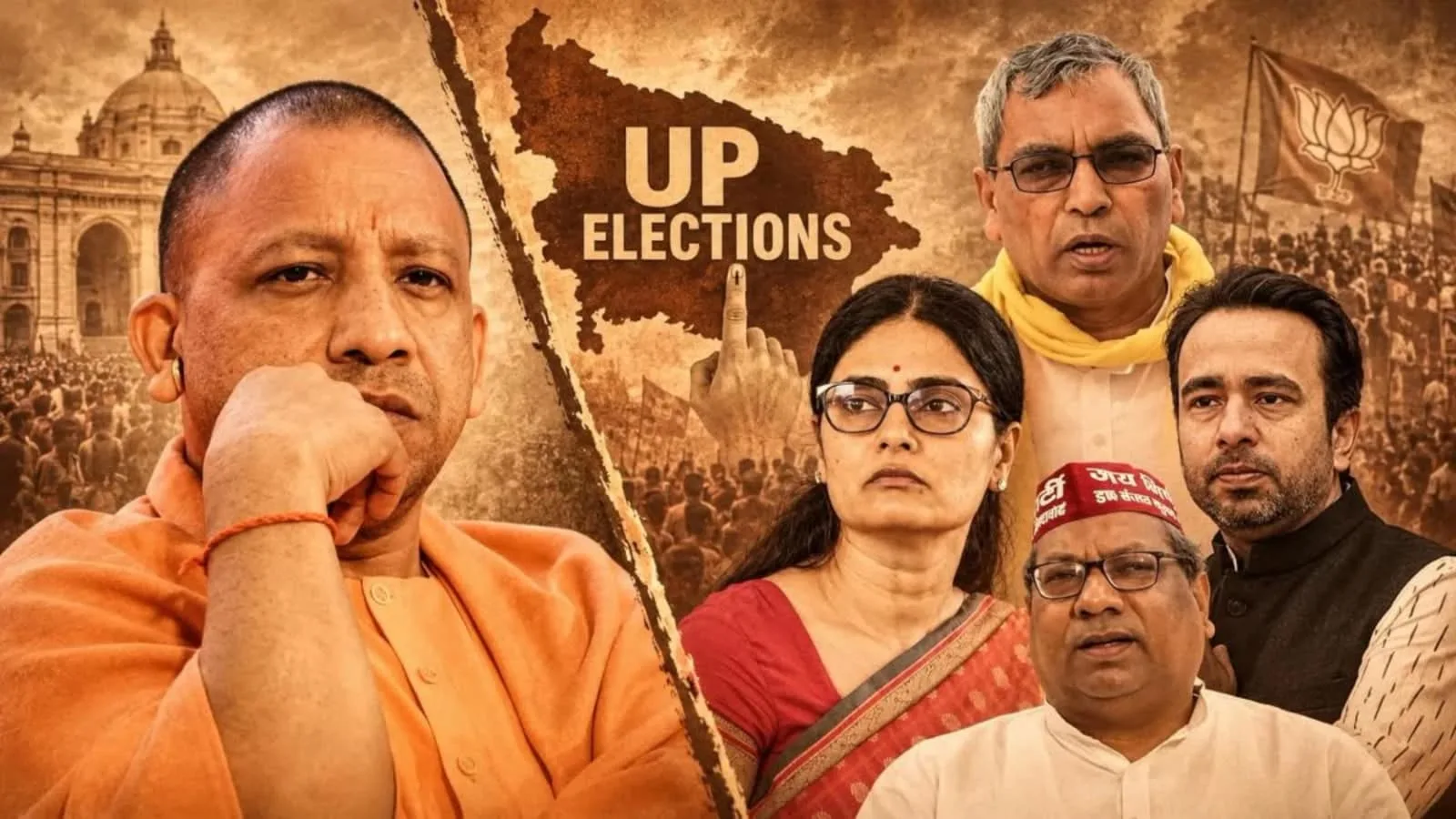
BJP plans to contest approximately 350 seats, leaving 50 for allies.
Allies are demanding a significant increase in their seat allocations based on past performances.
The political landscape in eastern UP complicates seat-sharing negotiations due to overlapping interests.
In preparation for the upcoming Uttar Pradesh Assembly elections, the Bharatiya Janata Party (BJP) is grappling with the challenge of negotiating seat allocations among four regional allies. Each ally has distinct electoral ambitions and influence across different regions of the state, particularly in western and eastern Uttar Pradesh. This negotiation comes at a critical time as the BJP aims to maintain its dominance in the state while managing the expectations of its partners.
Historically, the BJP has faced challenges in balancing its alliances. In the last Assembly elections, the party contested 376 out of 403 seats, securing 255 victories. This time, reports suggest that the BJP intends to contest around 350 seats, which raises the question of how to fairly distribute the remaining 50 seats among its allies. The four partners—Rashtriya Lok Dal (RLD), Suheldev Bharatiya Samaj Party (SBSP), Apna Dal (S), and Nishad Party—are all vying for a larger share of the electoral pie, each leveraging their past performances to bolster their demands.
The RLD and SBSP, both of which were part of the previous SP-led alliance, are now pushing for significant seat allocations. The RLD, which contested 33 seats in the last elections and won eight, is seeking 30 seats, while the SBSP, which won six out of 19 contested seats, is asking for 25. Meanwhile, Apna Dal (S) and Nishad Party are also making ambitious requests, with Apna Dal (S) seeking 25 seats and the Nishad Party aiming for 36. The BJP's senior leaders, including Chief Minister Yogi Adityanath, have been tasked with negotiating these demands, indicating the high stakes involved in maintaining coalition harmony.
The implications of these negotiations extend beyond mere seat allocations. The BJP is aware of the rising aspirations of its allies, particularly in light of the upcoming Lok Sabha elections and the anti-incumbency sentiments that could affect its performance. The regional dynamics in eastern Uttar Pradesh, where three of the allies have their strongest support bases, add another layer of complexity to the negotiations. The overlapping claims over constituencies could lead to potential conflicts among the allies, further complicating the seat-sharing process.
As the BJP navigates this intricate political landscape, the party's ability to balance the ambitions of its allies while maintaining its electoral strength will be crucial. The upcoming discussions will not only determine the seat-sharing arrangements but also set the tone for the BJP's strategy in the elections ahead. With the stakes higher than ever, the party's alliance management will be put to the test in the coming weeks.