Supreme Court Petition Challenges ECI's Unanimous Decision Claims
Petitioner argues that the Election Commission of India failed to provide records proving unanimous decisions on electoral roll revisions.
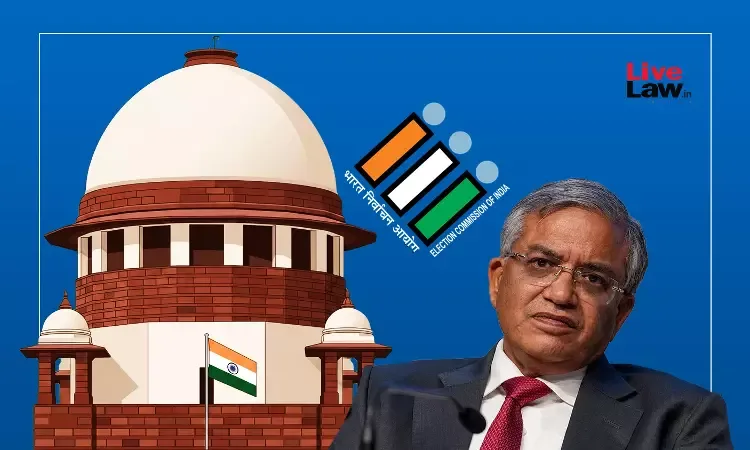
Petitioner Rakesh Kumar Singh disputes ECI's claims of unanimous decision-making.
The Supreme Court will hear the case regarding the ECI's electoral roll revisions on November 17.
Singh demands original records to validate the ECI's decisions and actions.
In a significant legal challenge, Rakesh Kumar Singh has petitioned the Supreme Court, asserting that the Election Commission of India (ECI) has not produced any records to substantiate its claims of unanimous approval regarding the Special Intensive Revision (SIR) of electoral rolls. The hearing is scheduled for November 17, where Singh aims to contest the assertions made by the ECI, which has maintained that its decisions were collectively agreed upon by its three members.
The core of Singh's argument lies in the ECI's inability to present contemporaneous documentation that would demonstrate the collective decision-making process mandated by the Chief Election Commissioner and Other Election Commissioners (Appointment, Conditions of Service and Term of Office) Act, 2023. Singh's legal representative, Advocate Mudit Gupta, highlighted that the ECI's corrective measures taken after the filing of the writ petition do not retroactively validate the earlier decisions, which he claims were made unilaterally by Chief Election Commissioner Gyanesh Kumar.
In his rejoinder affidavit, Singh emphasizes that the ECI's assertions of unanimity are not supported by any actual records. He points out that the ECI has admitted to various administrative missteps, including the alteration of statutory forms and the failure to present necessary IT modules to the Commission. Singh argues that these admissions indicate a lack of proper procedure and compliance with statutory requirements, undermining the ECI's claims of collective decision-making.
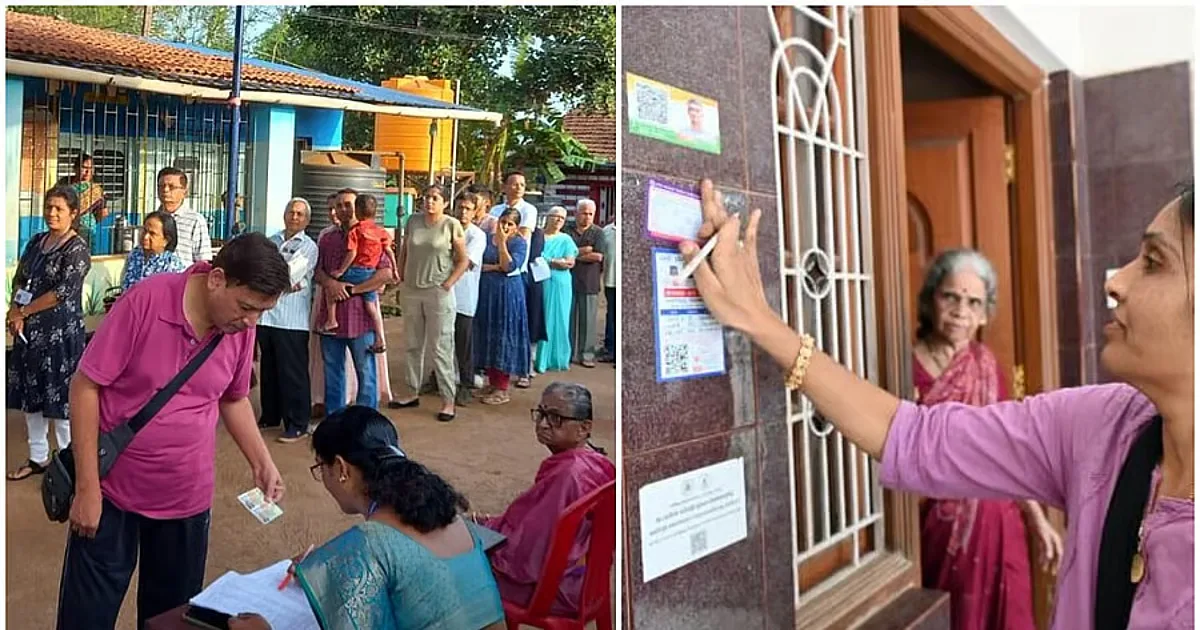
The implications of this case extend beyond the immediate dispute, as it raises critical questions about the integrity of the electoral process in India. Singh's petition highlights concerns regarding the inclusion of eligible voters and the procedural legitimacy of the SIR exercise. The ECI's handling of electoral roll revisions has come under scrutiny, particularly in light of allegations that certain decisions were made without proper authorization, potentially disenfranchising voters.
As the Supreme Court prepares to hear the case, the outcome could have lasting effects on the governance of electoral processes in India. The petitioner is seeking not only the production of original records but also clarity on the authority under which the ECI's actions were taken. The court's decision may set a precedent for how electoral bodies are held accountable for their decisions and the transparency required in the electoral process.