Bangladesh Garment Workers Demand Wage Increase Amid Protests
Thousands of garment workers in Bangladesh are protesting for higher wages, citing rising living costs and insufficient pay.
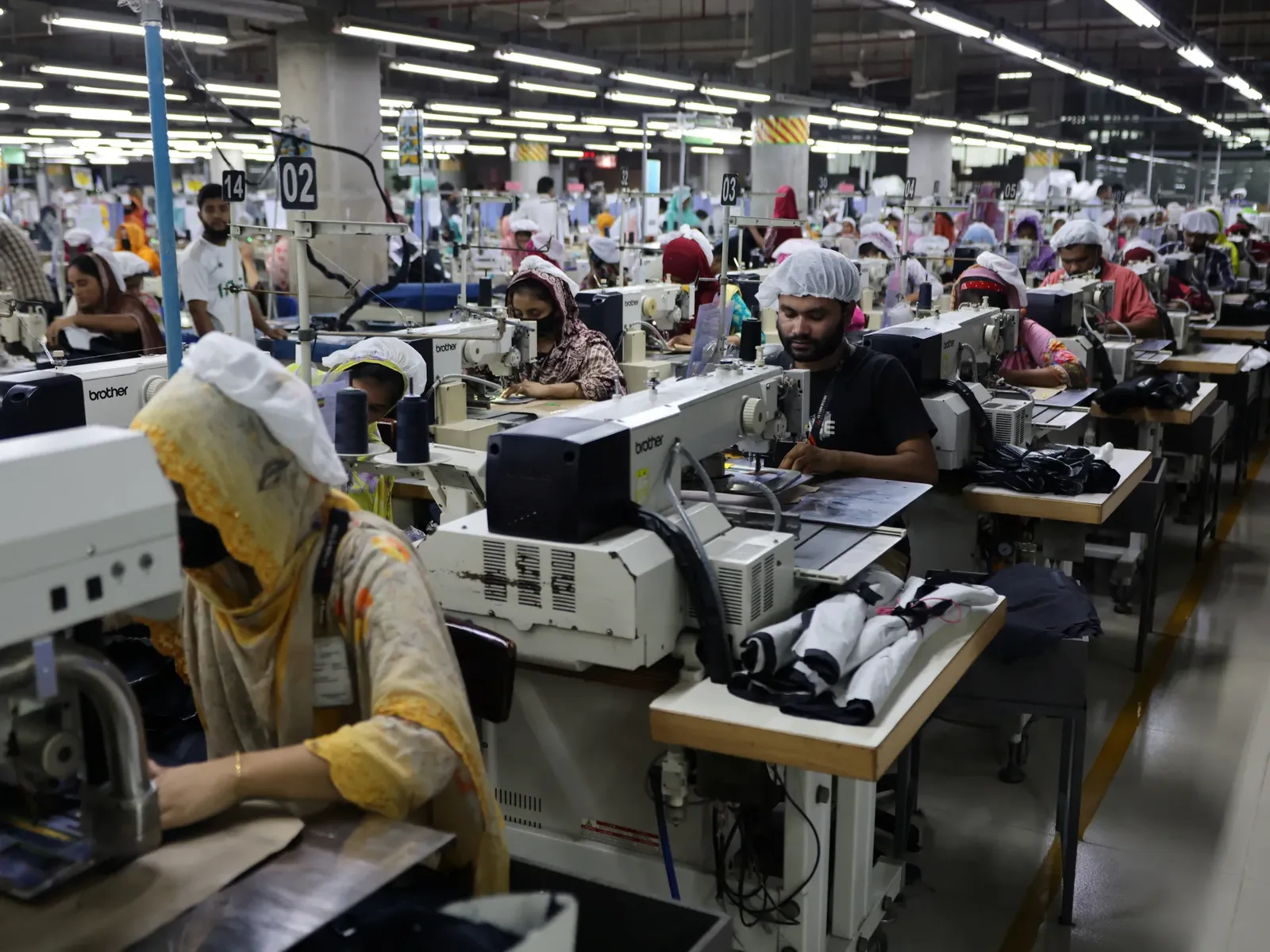
Protests erupted as garment workers demand a minimum wage of 30,000 taka ($241).
Inflation and rising living costs have severely impacted workers' ability to afford basic necessities.
The government has formed a wage board to address the workers' demands amidst ongoing demonstrations.
In a significant display of discontent, garment workers in Bangladesh have taken to the streets to demand a substantial increase in their wages. On Sunday, protests erupted in various locations, including the Ashulia industrial area near Dhaka, where workers are calling for a minimum wage of 30,000 taka ($241), more than double the current rate of 12,500 taka ($102). The demonstrations have been marked by clashes with police, who used tear gas to disperse crowds, leading to numerous arrests.
The backdrop to these protests is a stark reality for many workers, such as Laili Begum, a 37-year-old sewing operator who struggles to provide for her family. With a monthly income that barely covers her rent and basic food needs, Begum's children have already dropped out of school due to financial constraints. Her story reflects the plight of approximately four million garment workers in Bangladesh, half of whom are women, who are increasingly unable to meet their basic living costs due to stagnant wages and rising inflation.
Official figures indicate that Bangladesh has one of the lowest minimum wages in the garment sector globally, significantly lower than neighboring countries like Cambodia and Vietnam. As inflation in Bangladesh reached 8.34% in September, with food prices soaring even higher, workers are finding it increasingly difficult to make ends meet. Many, like Rasel Khan, have taken on debt just to support their families, highlighting the urgent need for wage reform.
The Bangladesh Garment Manufacturers and Exporters Association reported that the protests disrupted operations in 529 factories, affecting nearly a million workers. In response to the unrest, the government announced the formation of a wage board to review the workers' demands, but this has not quelled the protests. Workers remain skeptical, with many expressing frustration over the government's failure to provide concrete timelines for wage increases.
Looking ahead, the situation remains tense as the wage board begins its deliberations. Prime Minister Tarique Rahman has convened emergency meetings to address the crisis, while labor representatives are pushing for immediate action. The outcome of these discussions will be crucial for the future of Bangladesh's garment industry, which is under pressure to balance fair wages with competitive production costs in a challenging global market.