Balen Shah's Diplomatic Shift: From Territorial Claims to Economic Cooperation
Nepal's Prime Minister Balen Shah prioritizes economic ties over border disputes during his first visit to India.
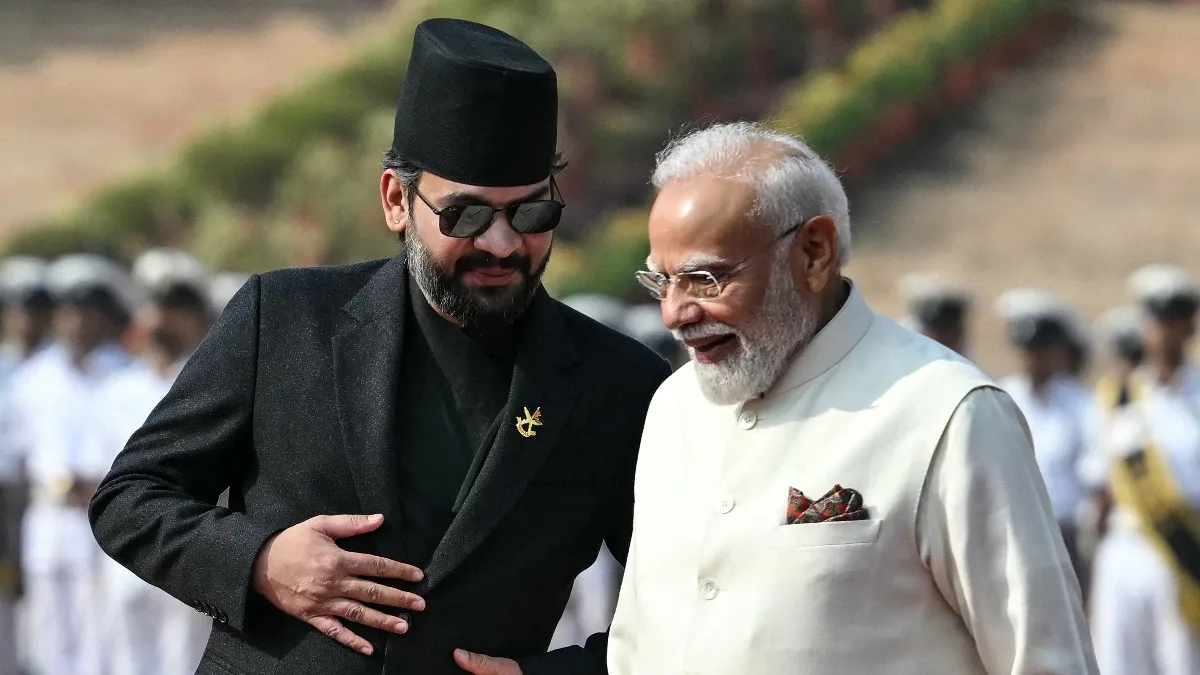
Balen Shah's recent visit to India focused on development agreements rather than territorial disputes.
Critics in Nepal question Shah's decision to sideline border issues during diplomatic discussions.
The visit resulted in a significant Rs 15,000-crore development assistance package from India.
During his inaugural state visit to India from November 22-23, 2026, Nepal's Prime Minister Balen Shah emphasized economic cooperation over previously vocal territorial claims against India. This marked a notable shift from his earlier stance as Kathmandu's mayor, where he prominently displayed a 'Greater Nepal' map in his office, symbolizing Nepal's territorial aspirations. Shah's visit yielded multiple development agreements, including a substantial Rs 15,000-crore assistance package, but did not result in significant advancements regarding the contentious boundary issues that had previously defined his political rhetoric.
Historically, the relationship between India and Nepal has been fraught with territorial disputes, particularly over regions like Kalapani and Lipulekh. In 2023, Shah, then the mayor, had been vocal about these issues, even responding to perceived provocations from India with assertive territorial claims. However, during his recent visit, the focus shifted towards enhancing economic ties, infrastructure projects, and connectivity, with discussions on boundary issues relegated to diplomatic channels rather than public discourse.
Official statements from both governments indicated a commitment to resolving outstanding boundary issues, with the foreign secretaries of both nations tasked with addressing these matters. Despite this, many in Nepal's political sphere expressed disappointment over Shah's decision to avoid direct discussions on territorial disputes during his visit. Critics, including political opponents, questioned whether Shah's approach signified a retreat from his previous assertiveness on national sovereignty.
The implications of this diplomatic pivot are significant for Nepal, which relies heavily on India for trade, energy, and investment. The recent agreements reached during Shah's visit are seen as crucial for Nepal's economic recovery and development, especially in the wake of natural disasters that have strained its resources. Observers suggest that Shah's prioritization of economic diplomacy reflects a pragmatic approach to governance, recognizing the need for stability and cooperation with India.
Looking ahead, the focus will likely remain on fostering economic ties while navigating the sensitive issue of territorial disputes. As both countries work to strengthen their relationship, the effectiveness of this diplomatic strategy will be closely monitored. Future engagements between the two nations will be critical in determining how they address long-standing issues while pursuing mutual development goals.