Arab Parties Align with Eisenkot as Coalition Talks Intensify
Israel's Arab parties are poised to support opposition leader Gadi Eisenkot, complicating Prime Minister Netanyahu's government ambitions.
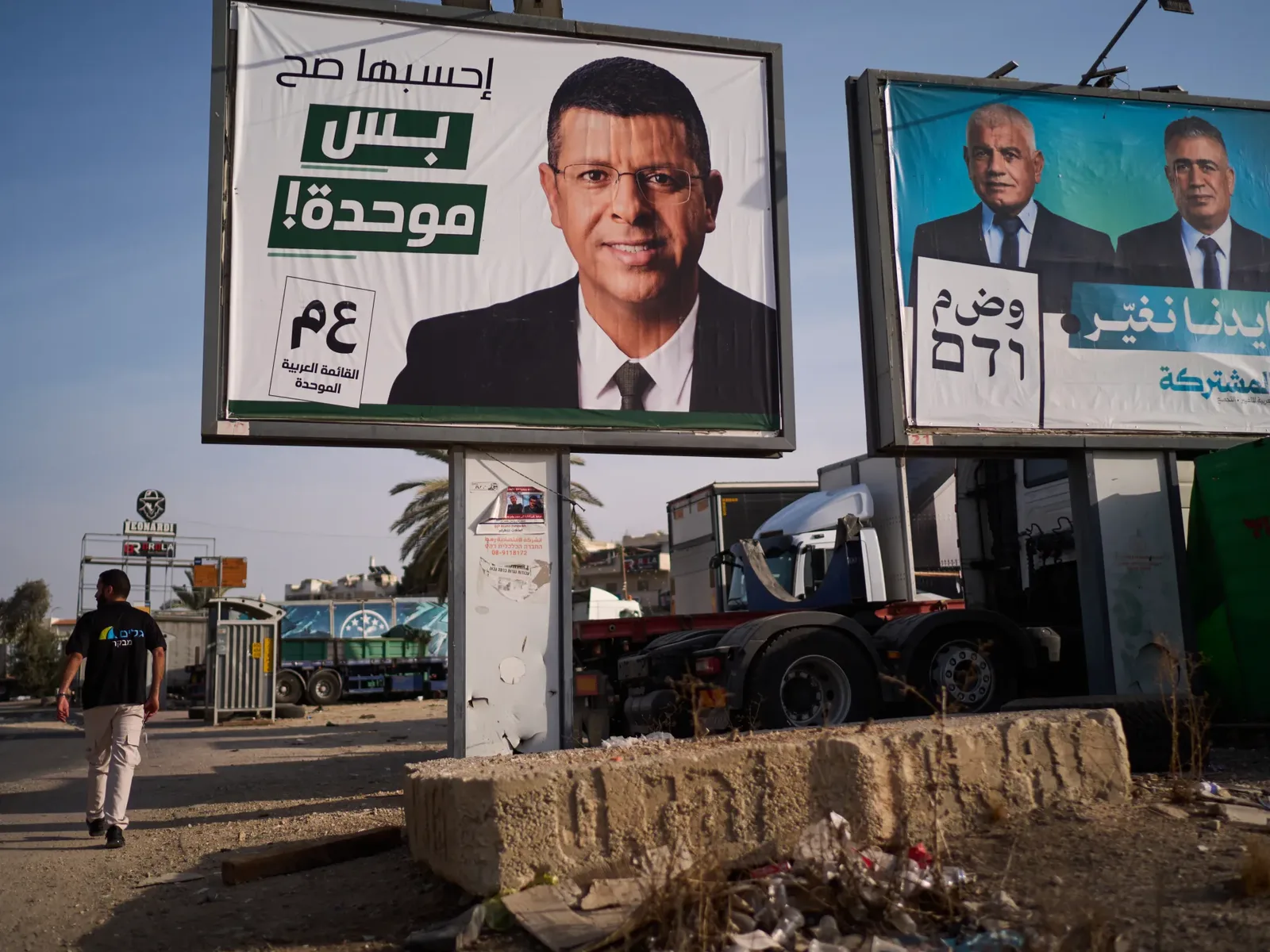
Arab parties secured a historic 19 seats in recent elections, backing Eisenkot's bloc.
Netanyahu's Likud party fell short of a majority, raising concerns about political stability.
Eisenkot faces challenges from the right as he navigates potential alliances with Arab parties.
In a significant political development following Israel's recent elections, Arab parties have announced their support for opposition leader Gadi Eisenkot. This backing comes after these parties achieved a record 19 seats in the Knesset, Israel's parliament, further complicating Prime Minister Benjamin Netanyahu's efforts to form a new government. The opposition bloc, which includes Eisenkot's Yashar party, has fallen short of the 61 seats required for a majority, but collaboration with Arab parties could provide a pathway to avoid a political impasse.
Historically marginalized, Israel's Arab population has seen a surge in political engagement, with Arab voter turnout reportedly reaching 80% in the recent elections. The Joint List and Ra’am, the two main Arab parties, have expressed willingness to work with the opposition bloc, although Eisenkot has previously indicated reluctance to form a coalition with them due to potential backlash from Jewish voters. The political landscape has shifted dramatically since the October 7 Hamas attacks, which have heightened tensions and led to increased scrutiny of Arab political figures.
The opposition bloc, dubbed the “Change” coalition, has firmly rejected any alliance with Netanyahu, citing security failures linked to the Hamas attacks and ongoing corruption allegations against the Prime Minister. However, Eisenkot's potential collaboration with Arab parties could be met with resistance from right-wing factions, particularly as anti-Arab sentiments have been leveraged by Netanyahu and his allies to rally support among Jewish voters. Analysts suggest that compromises may be necessary as the parties navigate these complex dynamics.
Netanyahu has made unsubstantiated claims of electoral fraud involving Arab parties, alleging foreign interference. Despite these assertions, Israeli election officials have affirmed the legitimacy of the election results, dismissing Netanyahu's allegations as lacking evidence. The Prime Minister's rhetoric has intensified, framing any cooperation between Zionist parties and Arab factions as a threat to Israel's security.
Looking ahead, the election results are set to be certified on Wednesday, after which President Isaac Herzog will engage with party leaders to determine the next steps in coalition formation. With Arab parties likely to endorse Eisenkot, he may emerge as the leading candidate for coalition talks. Both Eisenkot and Netanyahu will have 28 days to negotiate a government, with the possibility of an extension if necessary. Regardless of the outcome, the Knesset will convene on November 10, marking a crucial moment in Israel's political future.