Albanian PM Edi Rama Attributes Protests to 'Foreign Hands'
As protests escalate in Tirana, PM Rama claims outside influences are inciting unrest among students demanding reform.
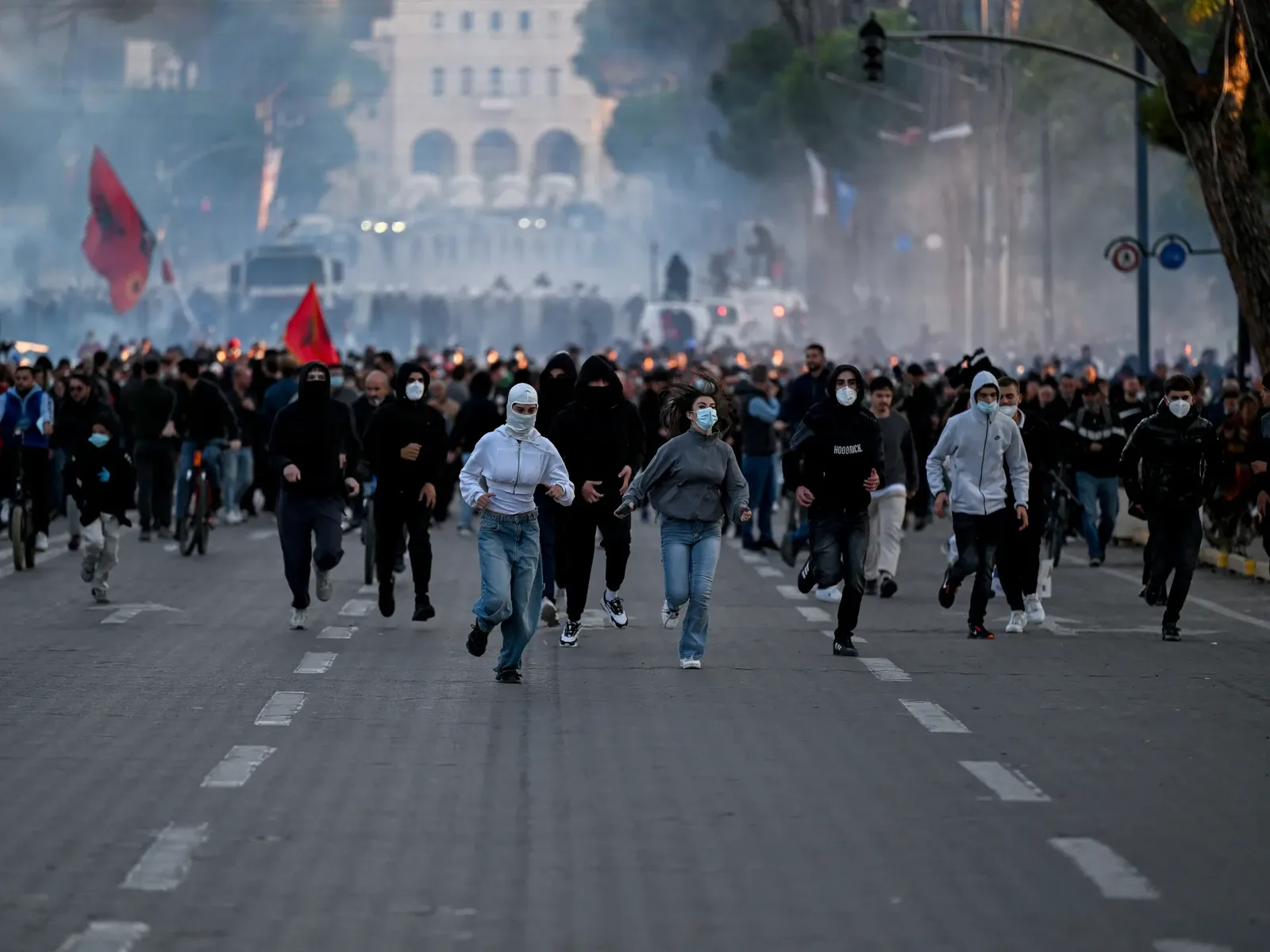
Protests in Albania have entered their fourth consecutive day, fueled by student demands for government accountability.
PM Edi Rama attributes the unrest to foreign interference, dismissing the legitimacy of the protesters' grievances.
The protests have spread to multiple cities, with significant clashes between police and demonstrators resulting in numerous arrests.
Albanian Prime Minister Edi Rama has publicly stated that external forces are behind the ongoing student protests in Tirana, which have intensified over the past four days. Thousands of students have taken to the streets, demonstrating against corruption and inadequate university conditions, calling for Rama's resignation. The protests have escalated into violent confrontations with riot police, particularly outside the education ministry, where demonstrators have clashed with law enforcement.
The protests were initially sparked by the controversial sale of a portion of Albania's coastline to a luxury resort, a deal linked to Jared Kushner, the son-in-law of former U.S. President Donald Trump. Following this event, the demonstrations grew, transitioning from peaceful gatherings to more aggressive actions targeting government buildings and banks. Reports indicate that protesters have vandalized property and set fires in various locations, including the prime minister's office and several financial institutions.
In a video address, Rama insisted that the protests are not representative of genuine student concerns, claiming they are influenced by foreign entities wishing to destabilize Albania. He stated, "This is not a student phenomenon," and emphasized that the protests are disconnected from the legitimate aspirations of the youth. Despite the unrest, he expressed willingness to discuss education costs but firmly rejected calls for his resignation, arguing that stepping down would betray the trust placed in him by the electorate.
The implications of these protests extend beyond immediate political concerns, as they highlight ongoing issues of corruption and governance in Albania. The EU has expressed concerns regarding Albania's progress towards membership, with corruption scandals complicating the country's aspirations. Analysts suggest that the protests reflect broader frustrations with the political system and the perceived inability of the government to address pressing societal issues.
Looking ahead, the situation remains tense as protests continue to spread to other cities like Elbasan and Shkodra. With calls for electoral and educational reforms gaining traction, the government faces mounting pressure to respond effectively. The outcome of these protests could significantly impact Albania's political landscape and its EU membership aspirations, with the next steps likely to unfold in the coming days as both sides prepare for potential negotiations or further confrontations.