CJP Founder Abhijeet Dipke Released Following Detention
Abhijeet Dipke, the founder of the Cockroach Janta Party, was released from custody a day after his arrest during a protest in New Delhi.
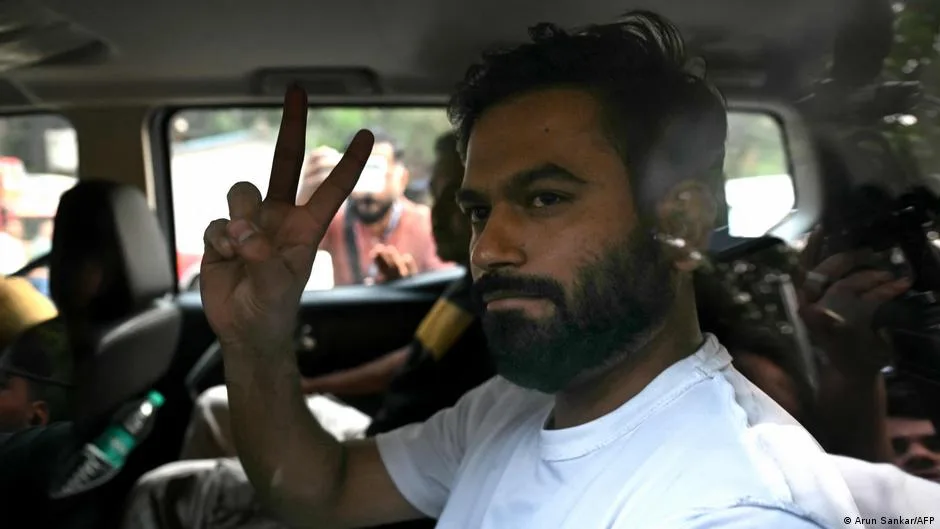
Abhijeet Dipke was detained for attempting to lead a protest in New Delhi.
Neha Bora, a prominent student leader, was also released after her detention.
US lawmakers are urging Secretary of State Marco Rubio to address India's crackdown on protests during his upcoming visit.
Abhijeet Dipke, the founder of the Cockroach Janta Party (CJP), was released by an Indian court on Saturday, just one day after being detained for trying to lead a protest rally in New Delhi. The CJP shared a photo of Dipke on social media, celebrating his release and referring to him as 'a free man.' Ratna Singh, the head of legal affairs for the CJP, confirmed that Dipke's release came after he agreed to unspecified conditions.
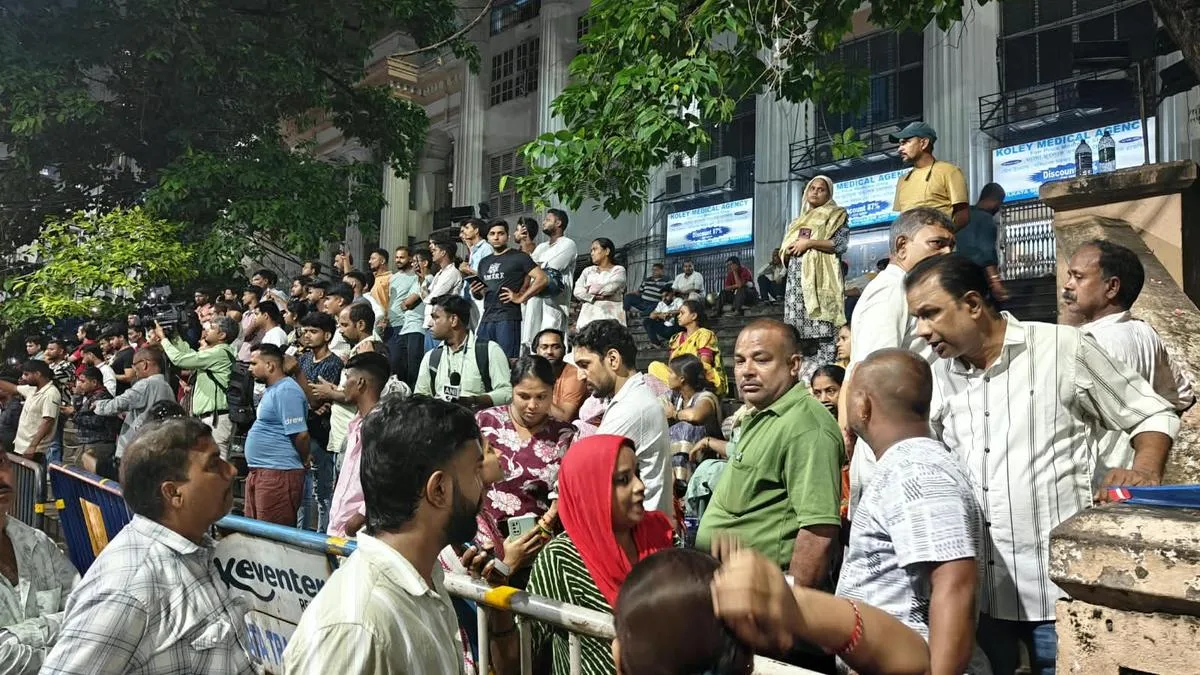
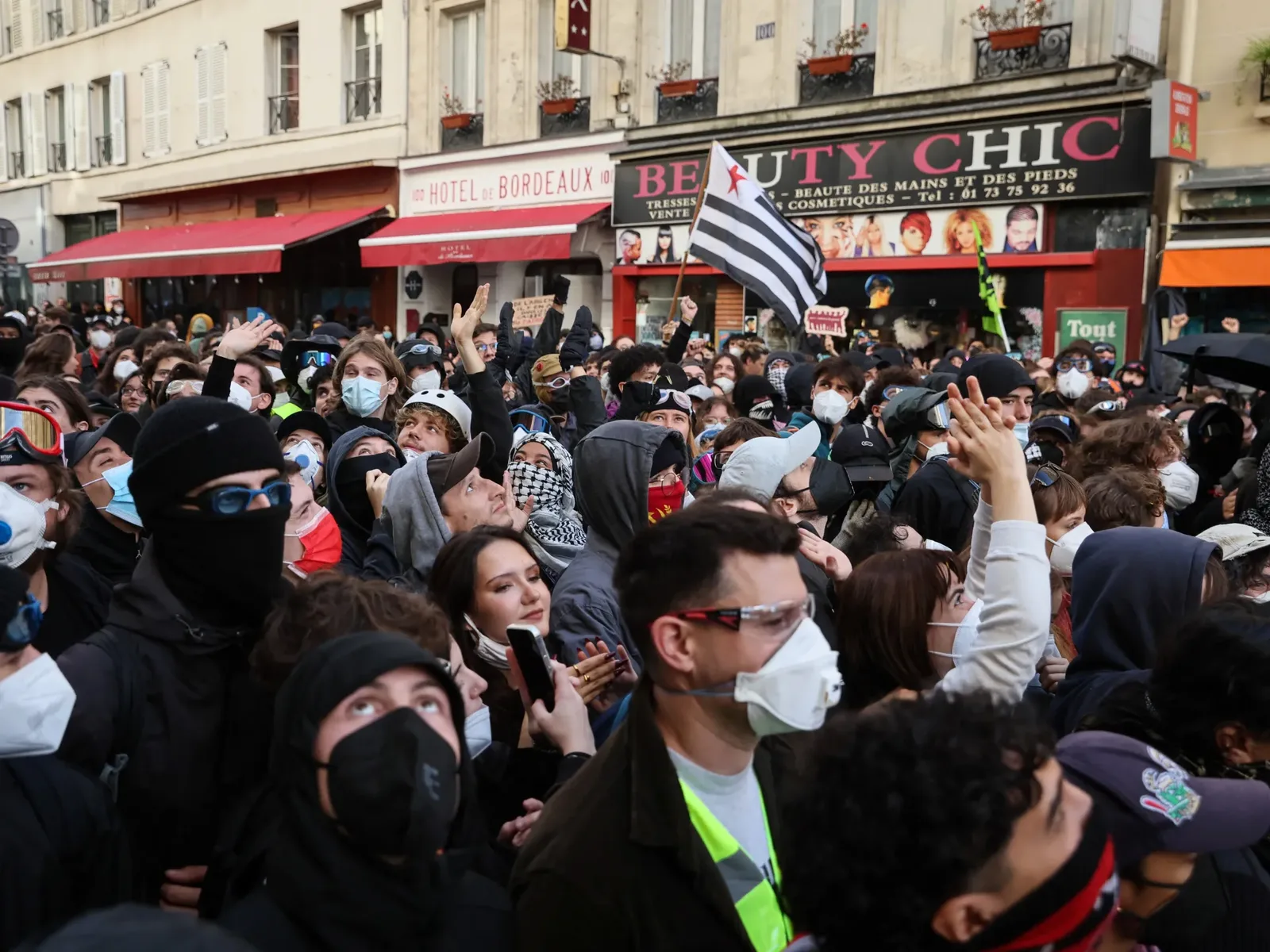
The events leading to Dipke's detention were part of a larger protest movement against the Indian Election Commission, which critics allege has manipulated voter rolls to benefit Prime Minister Narendra Modi's party. Dipke's protest aimed to show solidarity with two CJP leaders who had been jailed earlier in the week for demonstrating at an unauthorized location. Alongside Dipke, Neha Bora, president of the All India Students' Association, was also detained but released shortly after.
Following the protests, six US lawmakers have called on Secretary of State Marco Rubio to discuss the situation in India during his upcoming visit. The lawmakers highlighted a pattern of repression and excessive use of force against protesters, urging that the rights to assembly and expression be defended by both the US and India. They also raised concerns about surveillance of Indian protesters in the US, stating that this behavior is alarming given India's history of transnational repression.
The implications of these events extend beyond the immediate protests. The CJP's actions and the subsequent international attention may influence public opinion and political dynamics in India. The protests reflect widespread discontent with the electoral process, particularly among youth and minority groups who feel marginalized by recent voter roll revisions. This unrest could have lasting effects on the political landscape as opposition parties rally support against the ruling government.
Looking ahead, the CJP and other opposition groups are likely to continue their protests, demanding accountability from the Election Commission and the resignation of its chief. The upcoming discussions between US officials and Indian leaders may also bring further scrutiny to India's handling of dissent and civil liberties, potentially impacting diplomatic relations between the two nations.