AISA Chief Neha Bora Detained Amid Ongoing Delhi Protests
Neha Bora, president of AISA, was detained during protests in Delhi against alleged electoral fraud as demonstrations spread across the country.
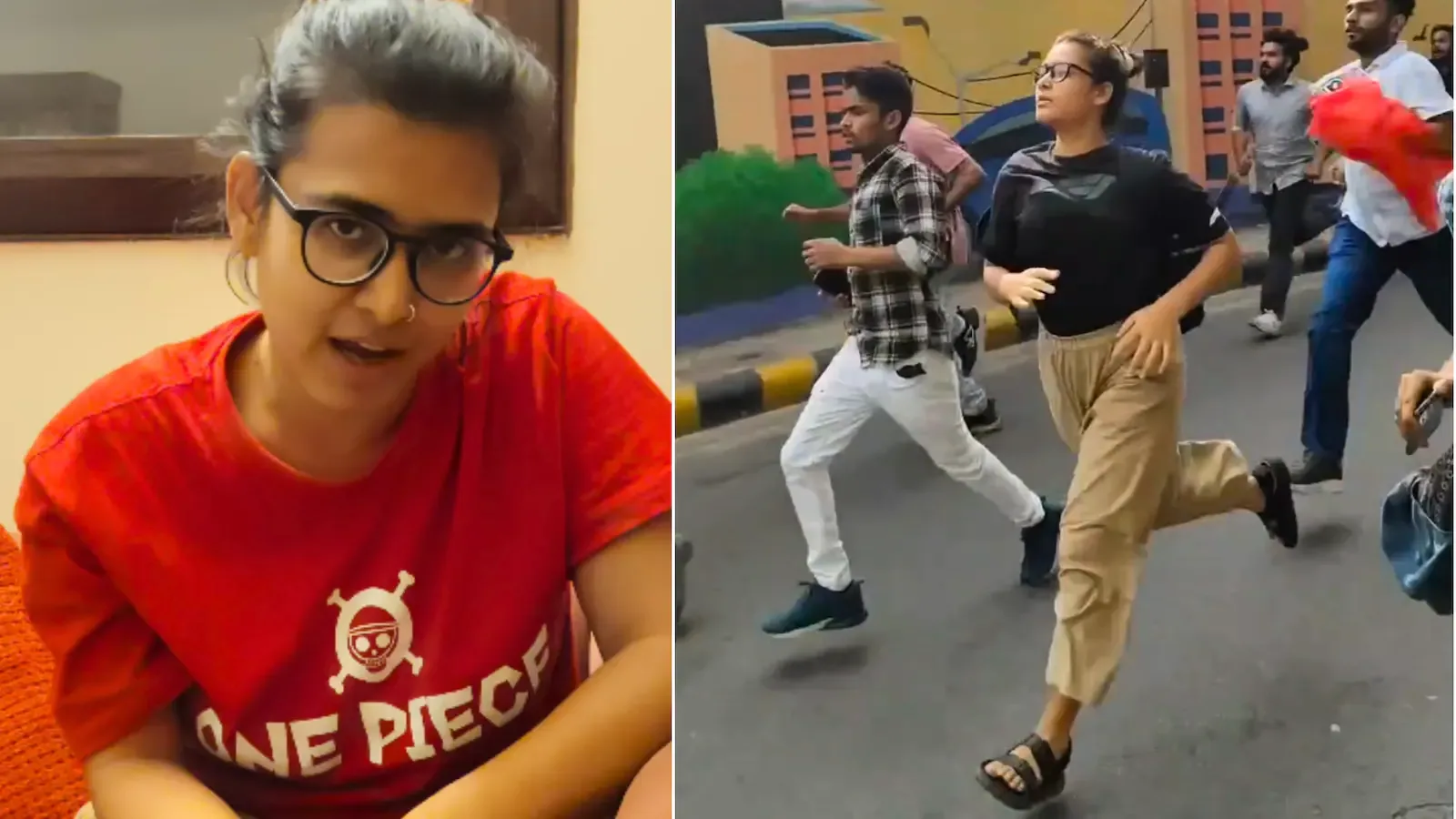
Neha Bora was detained while leading protests in Delhi against electoral fraud.
The protests have expanded nationwide, with significant participation from various political groups.
Opposition leaders demand the resignation of Chief Election Commissioner Gyanesh Kumar amid allegations of bias.
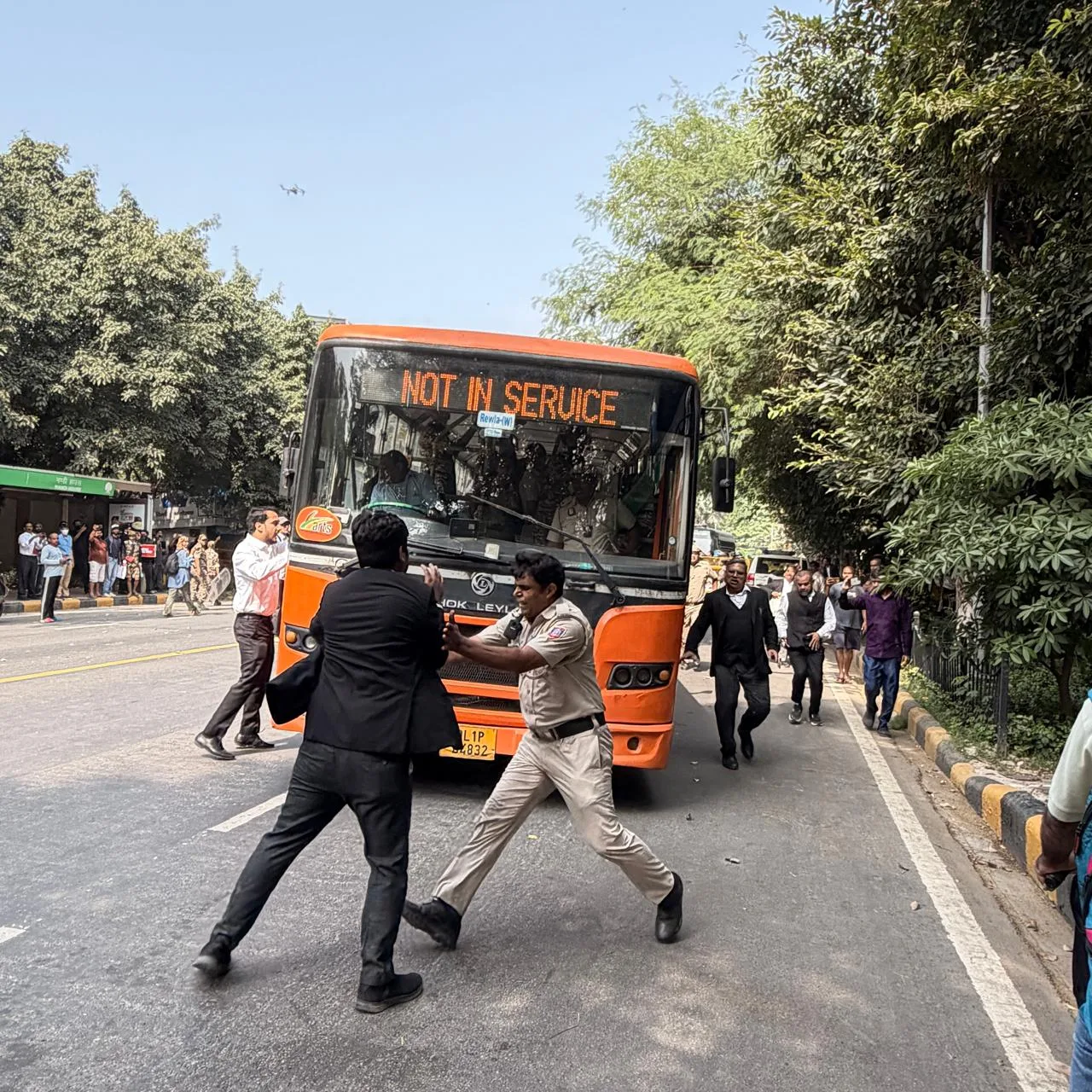
Neha Bora, the president of the All India Students' Association (AISA), was detained on Sunday during protests in Delhi that focused on allegations of electoral fraud. As the demonstrations intensified, Bora was seen running through the streets before being apprehended by police. The protests, which took place near Jantar Mantar, were marked by a significant police presence aimed at preventing large gatherings. Despite the restrictions, hundreds of protesters managed to assemble in various locations across the capital.
The protests erupted following a police crackdown on Saturday, which saw around 3,000 individuals detained, including several former chief ministers. The Delhi Police stated that the mass detentions were a preventive measure, citing a lack of permission for the protests organized by the Cockroach Janta Party (CJP) and supported by opposition parties. CJP leaders, released from custody on Sunday, declared their intent to escalate the agitation nationwide, emphasizing that their struggle had only just begun.
Bora's actions during the protests garnered significant attention on social media, where she shared her experiences via Instagram. After being detained, she criticized the conditions in the police bus, describing it as overcrowded and oppressive. Her statements highlighted the ongoing tensions between protesters and law enforcement, particularly regarding the demand for the resignation of Chief Election Commissioner Gyanesh Kumar, who has faced allegations of bias in the electoral process.
The protests in Delhi have sparked similar demonstrations in other cities, including Mumbai, indicating a growing discontent among the youth and opposition groups. The ongoing unrest reflects a broader sentiment of frustration regarding electoral integrity and governance in India. Opposition leaders, including Rahul Gandhi, are also planning further actions, including a march to the Supreme Court to present demands for electoral reform and accountability.
Looking ahead, the protests are expected to continue, with opposition parties rallying support across the country. The demands presented to President Droupadi Murmu include the resignation of Gyanesh Kumar, the repeal of laws granting immunity to election officials, and a return to paper ballots. As tensions rise, the political landscape in India remains charged, with the potential for further escalations in the coming days.