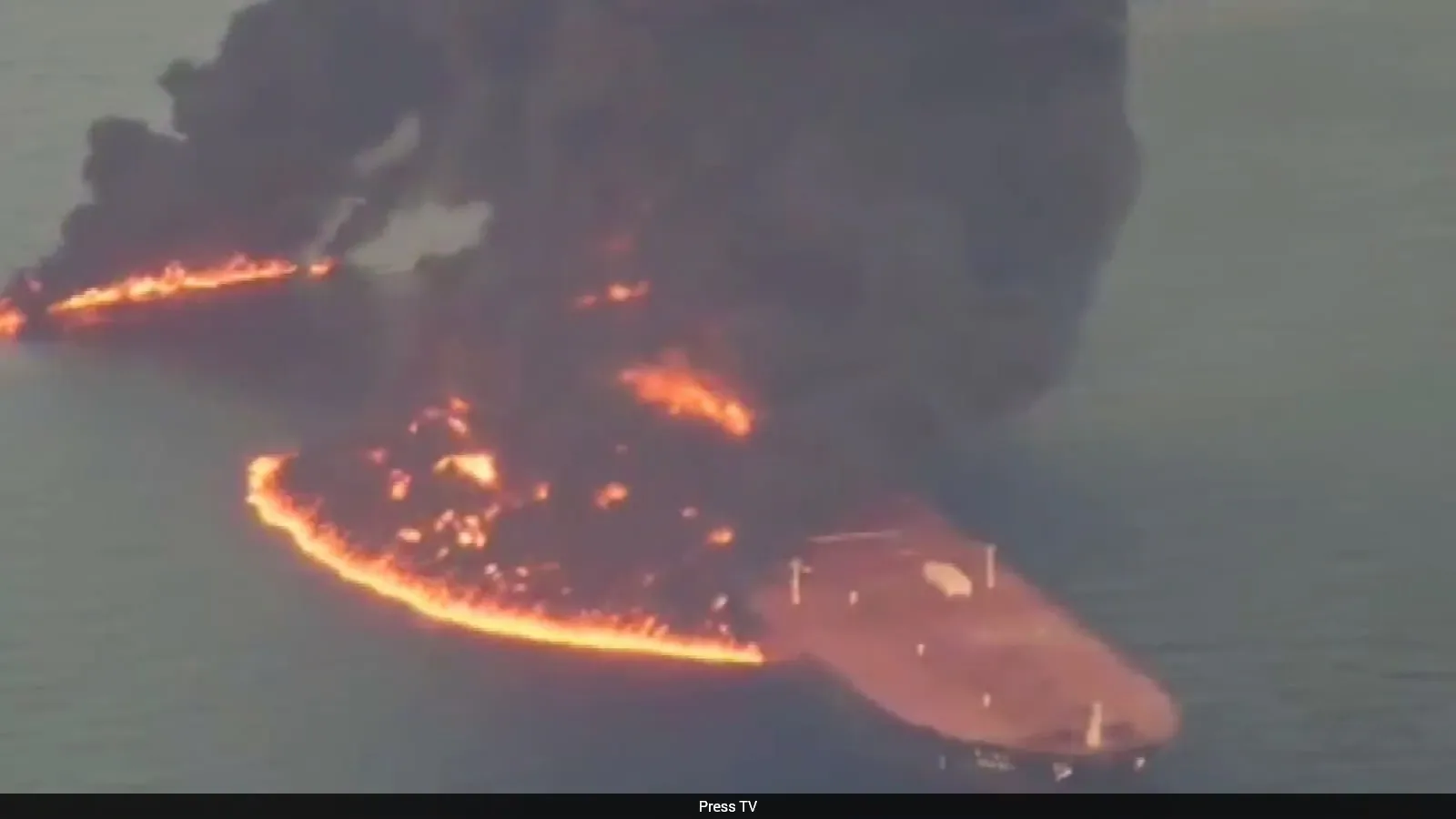
Houthi Attacks on Saudi Airports Surge Amid Air Defense Challenges
Recent Houthi missile strikes on Saudi Arabia highlight vulnerabilities in the kingdom's air defense systems.
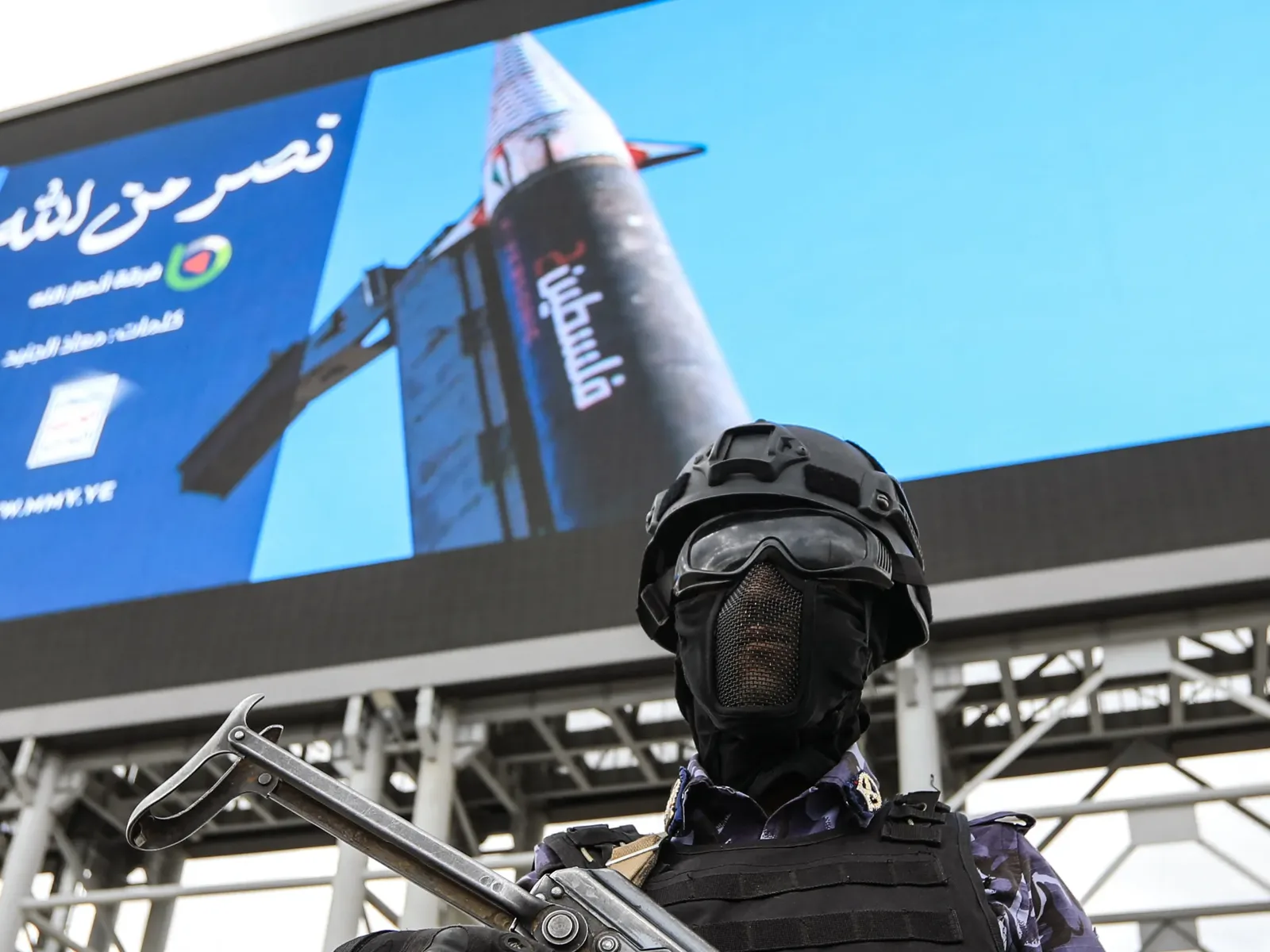
Houthi missile attacks have intensified, targeting key locations in Saudi Arabia.
Saudi Arabia's air defenses face challenges despite advanced technology.
The conflict has significant implications for regional security and global oil markets.
Houthi forces have escalated their missile and drone attacks on Saudi Arabia, particularly targeting King Khalid International Airport in Riyadh. The latest assault on the airport resulted in 12 fatalities and over 300 injuries, marking one of the deadliest attacks in the kingdom in recent years. This surge in attacks began in September as part of a renewed military campaign by the Houthis against Saudi Arabia, raising alarms about the effectiveness of the kingdom's air defense systems.
Historically, the Houthis, also known as Ansar Allah, have been involved in a prolonged conflict with Saudi Arabia since the latter intervened in Yemen's civil war in 2015. The group has significantly advanced its military capabilities, launching missiles and drones that have reached targets deep within Saudi territory and even beyond, including Israel. The recent attacks underscore a shift in the conflict dynamics, with the Houthis demonstrating improved precision and coordination in their strikes.
Saudi Arabia possesses one of the most sophisticated military infrastructures globally, featuring advanced air defense systems designed to intercept various aerial threats. However, despite these capabilities, the recent attacks have exposed vulnerabilities. Officials have acknowledged that while many projectiles have been intercepted, some have successfully penetrated defenses, leading to significant casualties and operational disruptions at key facilities.
The implications of these attacks extend beyond immediate casualties. As a leading oil producer, Saudi Arabia's stability is crucial for global energy markets. The ongoing conflict and the potential for increased Houthi strikes could lead to disruptions in oil supply, impacting prices and economic stability both regionally and globally. Additionally, the heightened tensions may prompt further military responses from Saudi Arabia and its allies, potentially escalating the conflict.
Looking ahead, the situation remains precarious. Saudi Arabia is reportedly seeking additional support from allied nations to bolster its air defense capabilities. As the Houthis continue to adapt their tactics and weaponry, the kingdom faces the challenge of protecting its critical infrastructure while navigating a complex geopolitical landscape. The coming weeks will be crucial in determining the trajectory of this conflict and its broader implications for regional security and stability.