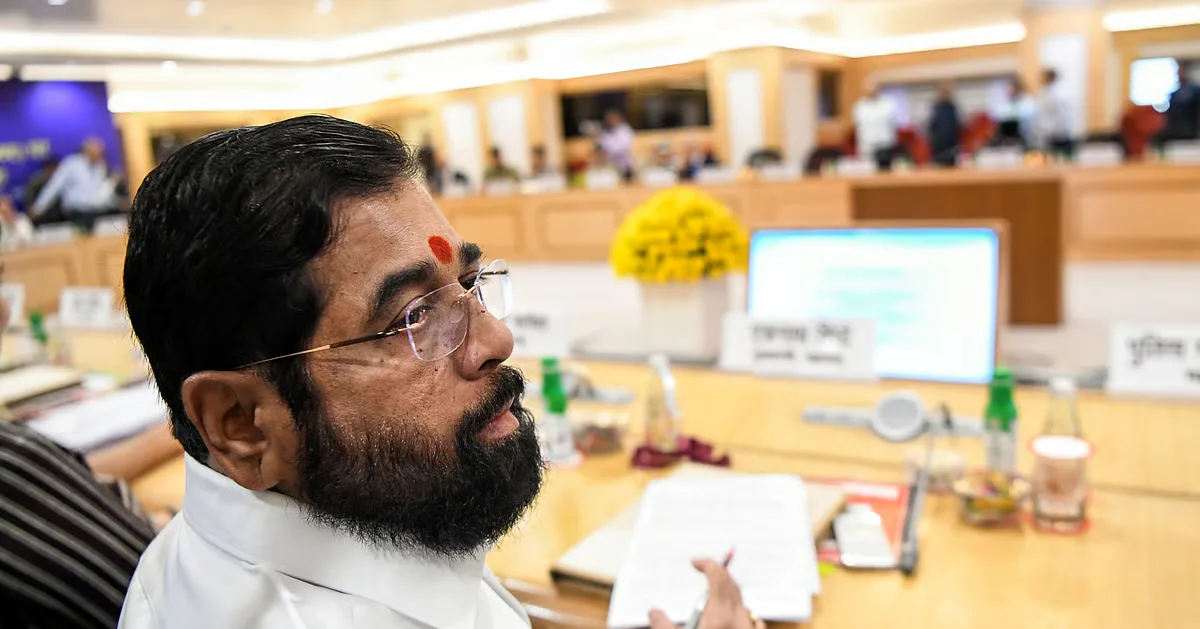
Tukaram Mundhe Withdraws FDA Petition Against Centre's Jurisdiction
Maharashtra's FDA Commissioner Tukaram Mundhe retracts his legal challenge against the Centre, raising questions about jurisdictional authority.
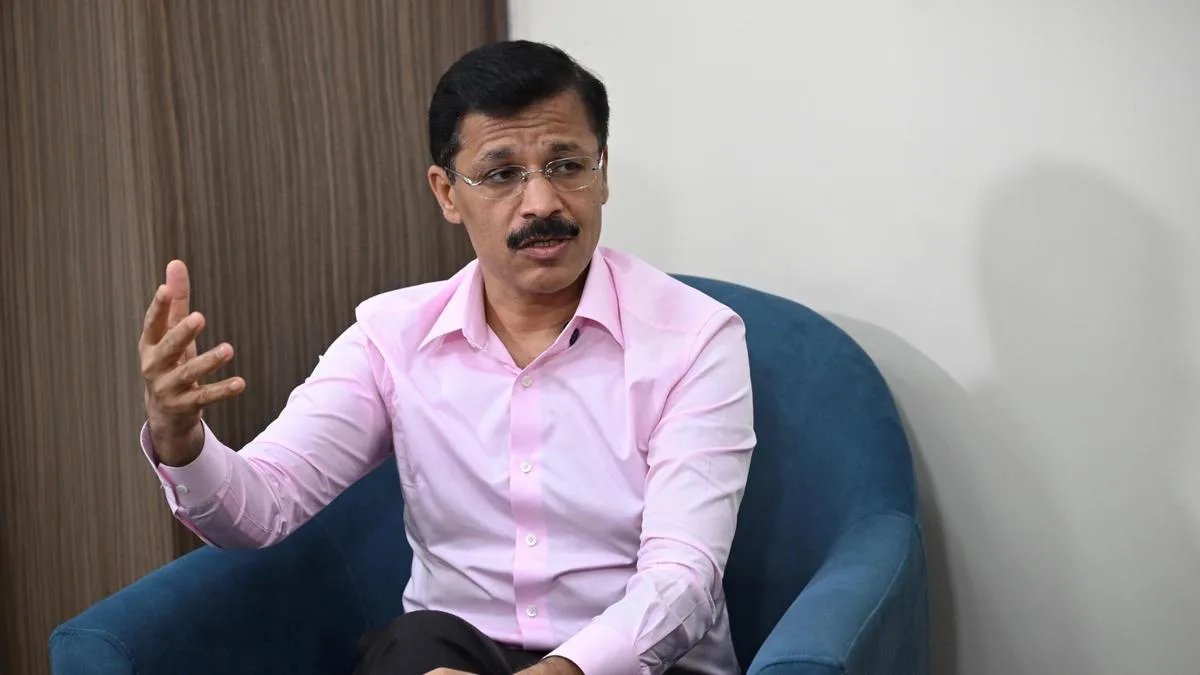
Tukaram Mundhe's petition aimed to contest the Centre's jurisdiction over food safety regulations.
The Maharashtra FDA accused the Centre of undermining state authority and creating a parallel enforcement system.
The withdrawal of the petition raises concerns about the future of food safety governance in Maharashtra.
In a significant development, Tukaram Mundhe, the Commissioner of Maharashtra's Food and Drug Administration (FDA), has decided to withdraw his petition that challenged the Centre's authority over food safety regulations. This decision comes after the FDA filed a case in the Bombay High Court in September 2026, alleging that the Centre was infringing on state powers by establishing a parallel regulatory framework. The FDA contended that this move obstructed its ability to effectively protect consumer interests and conduct independent inspections of licensed establishments.
The initial petition, filed on September 3, 2026, highlighted a jurisdictional conflict between the state and the Centre. The FDA argued that the Centre's actions were contrary to the Food Safety and Standards Act of 2006, which was designed to decentralize enforcement powers and delegate responsibilities to state authorities. The FDA claimed that the Centre's establishment of new regulations and positions, particularly under the Food Safety and Standards Authority of India (FSSAI), was an overreach that compromised the state's role in food safety enforcement.
The Maharashtra government pointed out that the FSSAI's recent actions were aimed at centralizing enforcement, which contradicted the decentralization principles outlined in the Food Safety Act. The petition specifically challenged the constitutional validity of certain provisions of the Food Safety and Standards (Licensing and Registration of Food Businesses) Regulations, 2011, and its amendments made in 2026. It also questioned the legitimacy of new roles created under the FSSAI's recruitment regulations.
Mundhe's withdrawal of the petition has raised eyebrows among legal experts and stakeholders in the food safety sector. Many are concerned about the implications this decision may have on the governance of food safety in Maharashtra. The FDA's initial stance indicated a strong pushback against what it perceived as an encroachment on its authority, and the retraction may signal a retreat from that position, potentially affecting consumer protection efforts in the state.
Looking ahead, the implications of this withdrawal could be far-reaching. Stakeholders in Maharashtra's food industry are now left to navigate the uncertain landscape of food safety regulations without a clear resolution to the jurisdictional dispute. The Maharashtra government may need to reassess its strategy in addressing the Centre's regulatory framework to ensure that state interests and consumer safety remain a priority in the ongoing discussions about food safety governance.