Maharashtra Children Address Drought and Education Challenges
Over 100 students participate in Maharashtra Bal Sansad 2026, raising critical issues like drought and poverty affecting education.
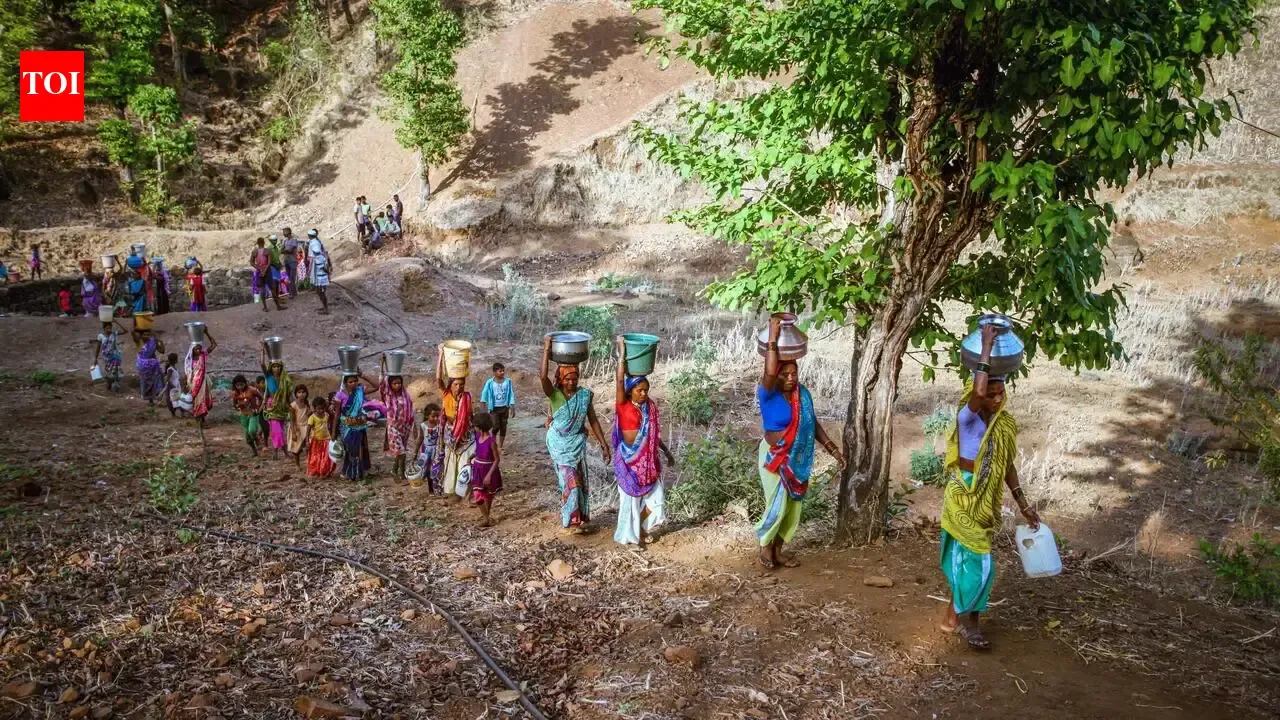
Students from Marathwada discuss water scarcity's impact on education.
Children highlight poverty and child labor issues in Nanded.
Concerns raised about wildlife encounters affecting school journeys.
In a significant gathering on Children's Day, the Maharashtra Bal Sansad 2026 took place at Yashada, Pune, where over 100 students from grades 4 to 10 engaged in a mock parliamentary session. The event provided a platform for young voices to articulate pressing issues affecting their communities. Students from Marathwada specifically addressed the recurring problem of water scarcity and its detrimental effects on their education, emphasizing the urgent need for sustainable solutions.
The event also shed light on the harsh realities faced by children in Nanded, where poverty forces many to abandon their studies and enter child labor. This alarming trend highlights the intersection of economic hardship and educational access, prompting calls for more robust support systems to keep children in school. Additionally, students from Dhule raised concerns regarding the lack of safe drinking water in educational institutions, underlining a critical public health issue.
Participants from Chhatrapati Sambhajinagar pointed out the deteriorating conditions of school infrastructure, including crumbling buildings and insufficient playground facilities. These conditions not only hinder learning but also affect children's overall well-being and development. Furthermore, students from Gondia brought attention to the challenges posed by poor road connectivity in tribal regions, which complicates their daily commutes to school and raises safety concerns, particularly regarding encounters with wildlife.
The Maharashtra Bal Sansad 2026 was organized by the Maharashtra State Commission for Protection of Child Rights (MSCPCR) in collaboration with Yashada, Unicef Maharashtra, and the state rural development department. This initiative aims to empower children by giving them a voice in matters that directly impact their lives, fostering a sense of responsibility and civic engagement among the youth.
Looking ahead, the organizers plan to take the insights and recommendations from this session to relevant authorities, advocating for necessary policy changes and resource allocation to address the highlighted issues. The next steps include follow-up meetings with stakeholders to ensure that the children's voices lead to actionable outcomes in their communities.