Revas-Karanja Sea Bridge Project Set to Transform Mumbai-Alibaug Travel
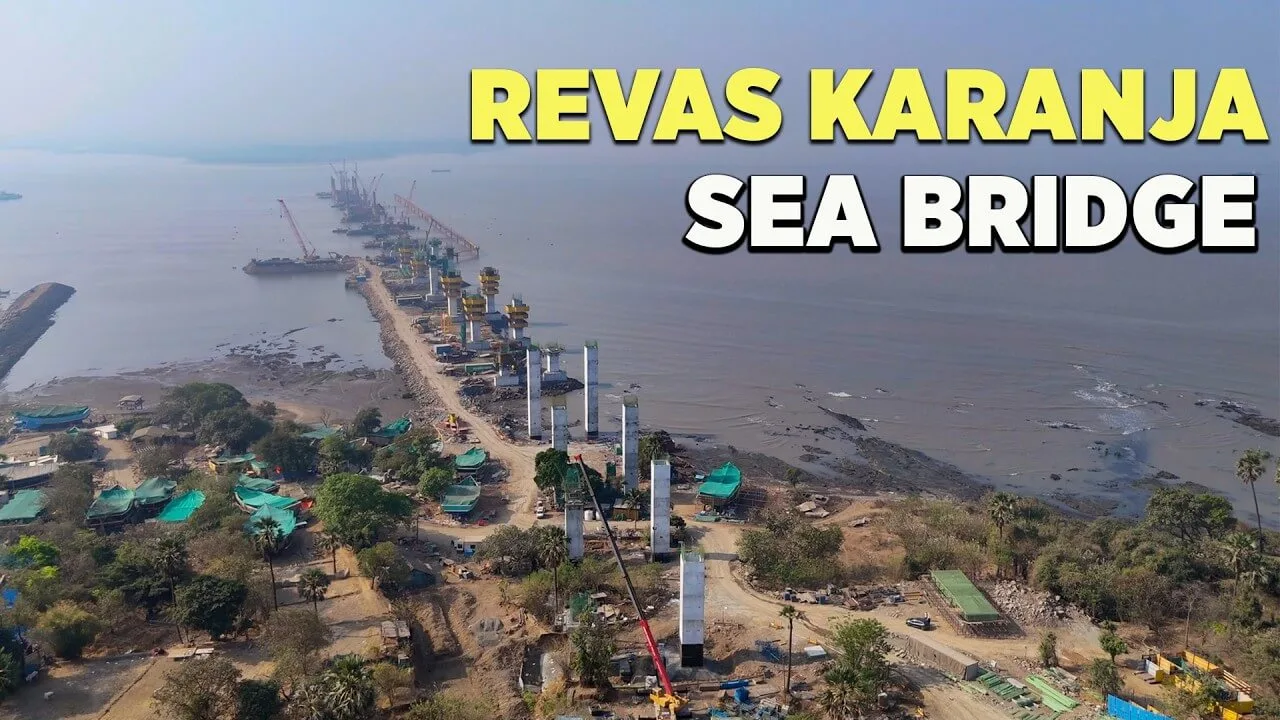
The Revas-Karanja Sea Bridge in Maharashtra aims to cut travel time between Mumbai and Alibaug to just 45 minutes, with completion targeted for November 2028.
The project will reduce travel time from 3-4 hours to 45 minutes.
Estimated cost of the bridge is around Rs 3,500 crore.
The bridge will enhance connectivity and boost regional tourism and trade.
The Maharashtra State Road Development Corporation (MSRDC) is intensifying efforts on the Revas-Karanja Sea Bridge project, which aims to significantly reduce the travel duration between Mumbai and Alibaug from the current three to four hours to approximately 45 minutes. This ambitious infrastructure initiative is expected to play a crucial role in enhancing regional connectivity.
Estimated to cost around Rs 3,500 crore, the project will establish a link between Karanja in Uran taluka and Revas in Alibaug taluka, spanning across the Dharamtar Creek. The Maharashtra government has set a completion target for the bridge by November 2028, indicating a strong commitment to improving transportation in the region.
The proposed bridge will stretch approximately 10 kilometers, featuring a 2-kilometer sea bridge constructed at a height of around 45 meters above sea level. This design, utilizing cable-stayed girder technology, will facilitate the passage of large cargo vessels beneath the bridge, ensuring that maritime activities remain unhindered. Additionally, the project will traverse about 6.5 hectares of mangrove forest, with plans for an elevated road section to mitigate environmental impact.
Originally conceived in 1981 during the administration of Chief Minister A.R. Antulay, the Revas-Karanja Sea Bridge project has faced delays for over four decades. Recent efforts by Uran MLA Mahesh Baldi have reignited momentum for the project, highlighting its importance for local communities and the economy.
Upon completion, the bridge is anticipated to significantly improve access between Alibaug, Uran, Panvel, and Mumbai, while also enhancing connectivity to vital infrastructure such as the Jawaharlal Nehru Port Authority (JNPA), Atal Setu, and the forthcoming Navi Mumbai International Airport. The project is poised to stimulate regional tourism, bolster import-export logistics, and generate employment opportunities across the Raigad district.