Maharashtra Enhances Infrastructure for NTA Exam Security
The Maharashtra government aims to bolster national examination security by leveraging existing infrastructure and improving accessibility.

Maharashtra plans to enhance examination security and transparency for national tests.
The state will utilize its infrastructure to improve examination logistics and facilities.
Focus on equal access for rural and disabled candidates is a priority in the reforms.
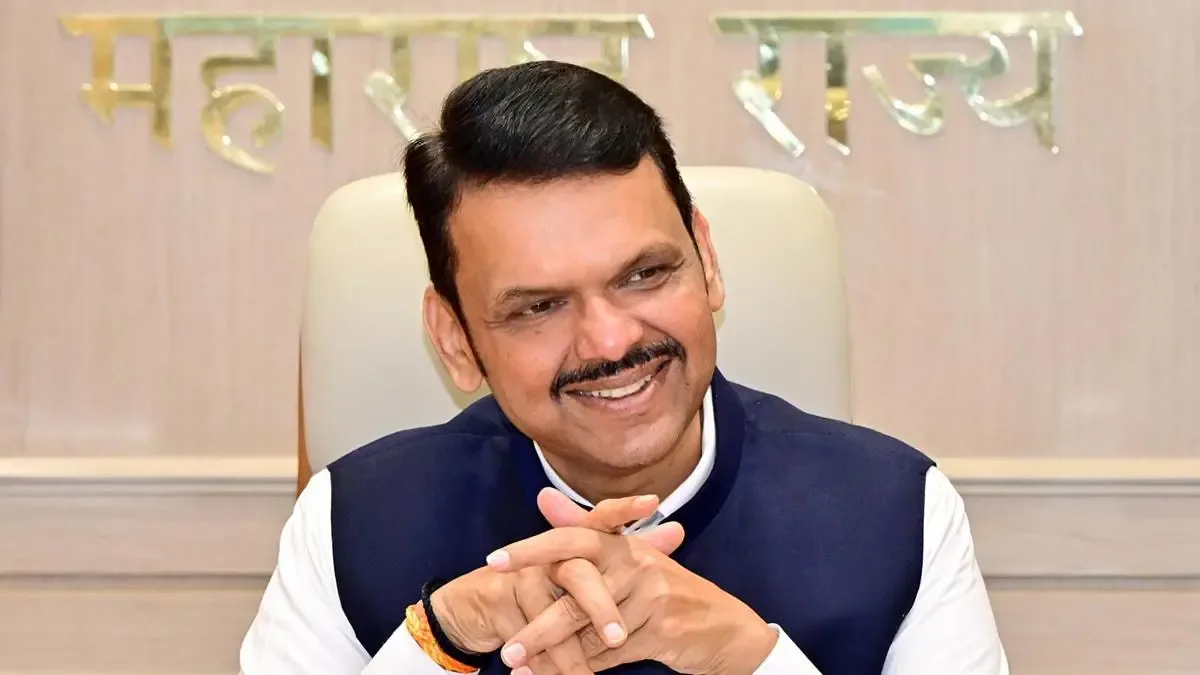
The Maharashtra government is taking significant steps to enhance the security and accessibility of national-level examinations organized by the National Testing Agency (NTA). This initiative was highlighted during a recent meeting between Chief Minister Devendra Fadnavis and the High-Powered Task Force on Exam Reforms, led by Infosys co-founder Nandan Nilekani. The discussions centered on improving the overall examination environment to ensure a fair and transparent process for all students.
The High-Powered Task Force, established by the Centre in July, aims to recommend comprehensive reforms in the administration and governance of public examinations, particularly in response to recent concerns regarding paper leaks and irregularities. During the meeting, officials explored the potential of utilizing Maharashtra's existing infrastructure to facilitate the conduct of these national examinations, ensuring that adequate examination centers are available across all districts.
Key aspects of the discussions included the training of personnel at examination centers and enhancing logistical support for large-scale tests. The meeting underscored the importance of better coordination between state authorities and central examination agencies to create a secure and efficient examination environment. Notable participants included task force members Dr. S. Somanath and Shankar Maruwada, along with National Recruitment Agency Director Shruti Singhal.
Another critical focus of the meeting was to ensure that national-level examinations are accessible to all students, particularly those from rural backgrounds and individuals with disabilities. The participants emphasized the need for equal opportunities and improved facilities for candidates facing language barriers, especially those with limited English proficiency. Strengthening security measures and maintaining transparency in the examination process were also highlighted as essential to uphold the credibility of national tests.
Additionally, the meeting addressed strategies to alleviate examination-related stress among students. Proposed measures include providing more opportunities for candidates to take exams, aligning examination formats with syllabus content, and expanding guidance and training resources to aid in preparation. These discussions are part of a broader initiative by the Centre to enhance the examination system, ensuring fairness, accessibility, and reliability in public examinations.