Raigad Hydropower Project Faces Backlash Over Tree Removal Plans
Opposition mounts against the Raigad hydropower initiative, with concerns over the felling of 32,000 trees prompting state intervention.
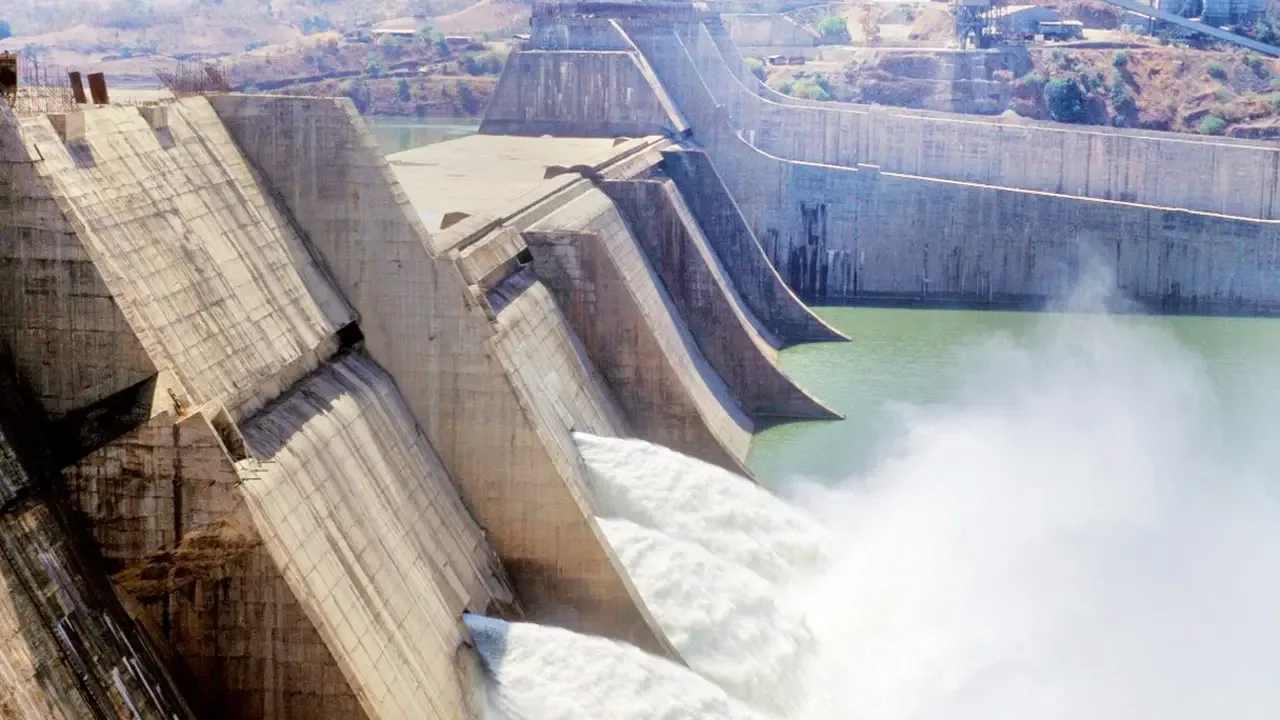
Maharashtra Forest Minister Ganesh Naik is reviewing the project to enhance tree preservation efforts.
Torrent Power asserts that the project is located outside the Bhimashankar Wildlife Sanctuary's eco-sensitive zone.
Local opposition is growing, emphasizing the environmental impact of removing a significant number of trees.
The proposed hydropower project in Raigad, Maharashtra, is encountering significant opposition due to plans to fell over 32,000 trees. This backlash has prompted Maharashtra's Forest Minister Ganesh Naik to announce a review of the project, focusing on maximizing tree preservation and increasing compensatory plantation efforts.
The controversy surrounding the Raigad project has intensified as environmental activists and local residents voice their concerns about the potential ecological damage. The project, which is backed by Torrent Power, has been defended by the company, which claims that it is situated outside the boundaries of the Bhimashankar Wildlife Sanctuary and its designated eco-sensitive zone.
Minister Naik's commitment to exploring alternatives for tree preservation comes amid rising public pressure. He stated that the government is actively seeking ways to balance developmental needs with environmental sustainability. This includes assessing the feasibility of reducing the number of trees slated for removal and enhancing the compensatory planting initiatives.
The implications of this project extend beyond local environmental concerns, as it reflects broader issues of development versus conservation in Maharashtra. The removal of such a large number of trees could have lasting effects on biodiversity and local climate conditions, raising alarms among environmental groups and the general public alike.
Looking ahead, the state government is expected to hold discussions with stakeholders, including Torrent Power and environmental activists, to address the growing concerns. The outcome of these discussions will be crucial in determining the future of the Raigad hydropower project and its environmental impact.