Maharashtra to Implement 10% Water Cut Starting October 16
In response to a deficient monsoon, Maharashtra will enforce a minimum 10% water cut across all local bodies from October 16.

The water cut aims to manage resources amid drought concerns.
Industries must recycle at least 30% of their water usage.
Drinking water will be prioritized, with measures to prevent leaks.
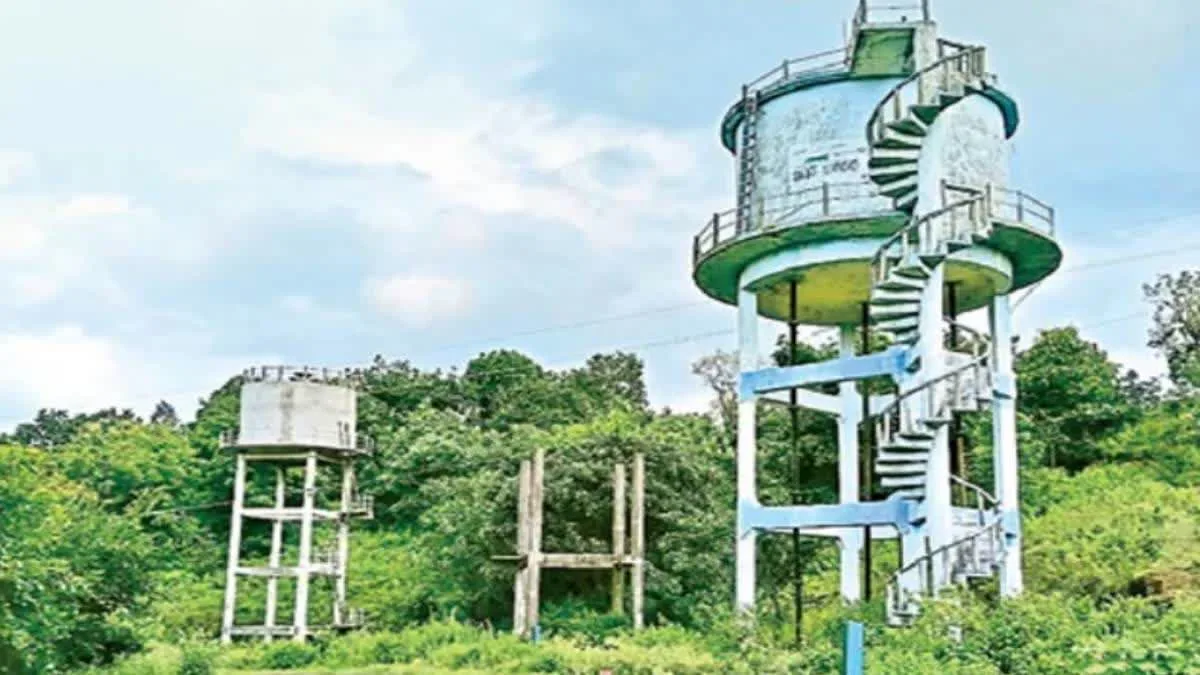
The Maharashtra government has announced a minimum 10% water cut across all urban and rural local bodies, effective from October 16, due to a deficient monsoon season. State Water Resources Minister Girish Mahajan emphasized the need for this measure, citing the impact of El Nino and potential drought conditions. The decision aims to ensure sustainable water management in the face of dwindling resources.
In preparation for the upcoming challenges, the Water Resources Department has conducted a thorough analysis of water stocks at various dams, projecting availability until August 31, 2027. Minister Mahajan stated that drinking water will be prioritized, and all municipal corporations, municipalities, and gram panchayats have been instructed to implement the water cut. Additionally, local bodies are encouraged to initiate special campaigns to prevent water leakage and ensure sewage treatment plants operate at full capacity.
The government has mandated that industries recycle or reuse at least 30% of their water consumption. This directive is part of a broader strategy to conserve water resources during this critical period. Mahajan also mentioned that an emergency buffer stock of 10% will be maintained in each dam, ensuring that drinking water needs are met before any water is allocated for irrigation purposes.
To further address the situation, the Water Resources Department will collaborate with revenue and police authorities to prevent unauthorized water extraction from various sources. Joint teams will be deployed to patrol these areas, and any illegal equipment will be confiscated. The government has also outlined priorities for agricultural water use, focusing first on Rabi food grains and fodder, followed by other crops, depending on water availability.
As the situation evolves, the government urges citizens and agencies to use water judiciously. The coordinated efforts among multiple departments, including Revenue, Agriculture, and Urban Development, aim to mitigate the impact of the impending water scarcity and ensure that essential needs are met.