Maharashtra Launches Jalyukt Shivar 3.0 in 18,000 Villages
In response to severe drought, Maharashtra's Chief Minister announces an extensive water conservation initiative across thousands of villages.
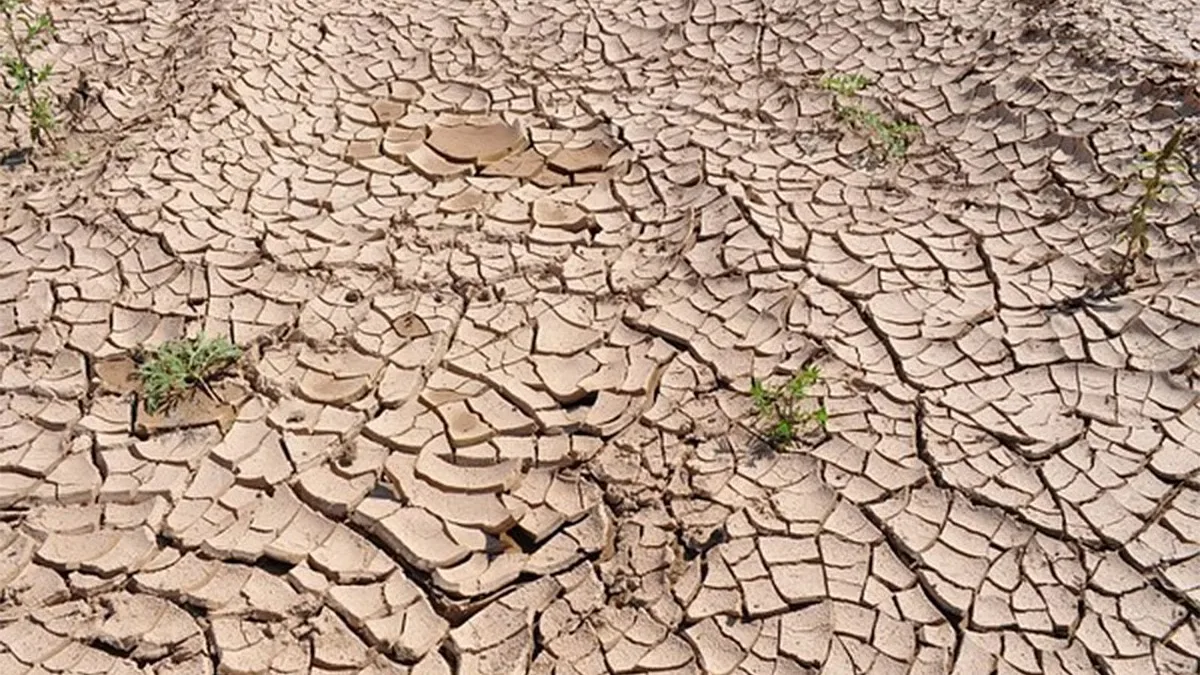
Maharashtra faces drought in 90% of the state due to El Niño.
Jalyukt Shivar 3.0 aims to create over 3.4 million groundwater recharge structures by May 2027.
Coordinated efforts between government departments are crucial for successful implementation.
Maharashtra is grappling with severe drought conditions affecting nearly 90% of the state, prompting Chief Minister Devendra Fadnavis to initiate the Jalyukt Shivar 3.0 program. This ambitious project aims to enhance water conservation efforts across 18,000 villages, focusing on maximizing rainwater harvesting to replenish groundwater reserves.
During a recent review meeting for the 'Jal Sanchay Jan Bhagidari: Catch the Rain 2026' campaign, Fadnavis outlined a target to establish 3,483,940 groundwater recharge structures by May 2027. The meeting, which included Union Jal Shakti Minister CR Patil participating online, emphasized the need for a unified approach to tackle the water crisis.
Fadnavis urged the convergence of resources from various central and state schemes, such as the Pradhan Mantri Krishi Sinchayee Yojana, to facilitate effective water conservation projects. He instructed all government departments to collaborate under the guidance of district collectors and develop actionable plans tailored to their regions.
The proposed initiatives encompass the construction of check dams, ponds, and extensive rooftop rainwater harvesting systems in both private and public buildings. Additionally, the rejuvenation of seasonal rivers that flow primarily during the monsoon season is a critical focus area. The Chief Minister highlighted the importance of prioritizing rainwater harvesting and groundwater recharge in drought-stricken areas.
To ensure the program's success, Fadnavis called for the swift utilization of allocated funds, with a goal of achieving 50% of the targets by December. The effectiveness of this initiative will hinge on timely execution, inter-departmental coordination, and diligent monitoring of the completed projects.