Maharashtra Surpasses 4,754 Green Building Projects
Maharashtra has emerged as the leader in India's green building sector, boasting over 4,754 projects covering 5.01 billion sq. ft.
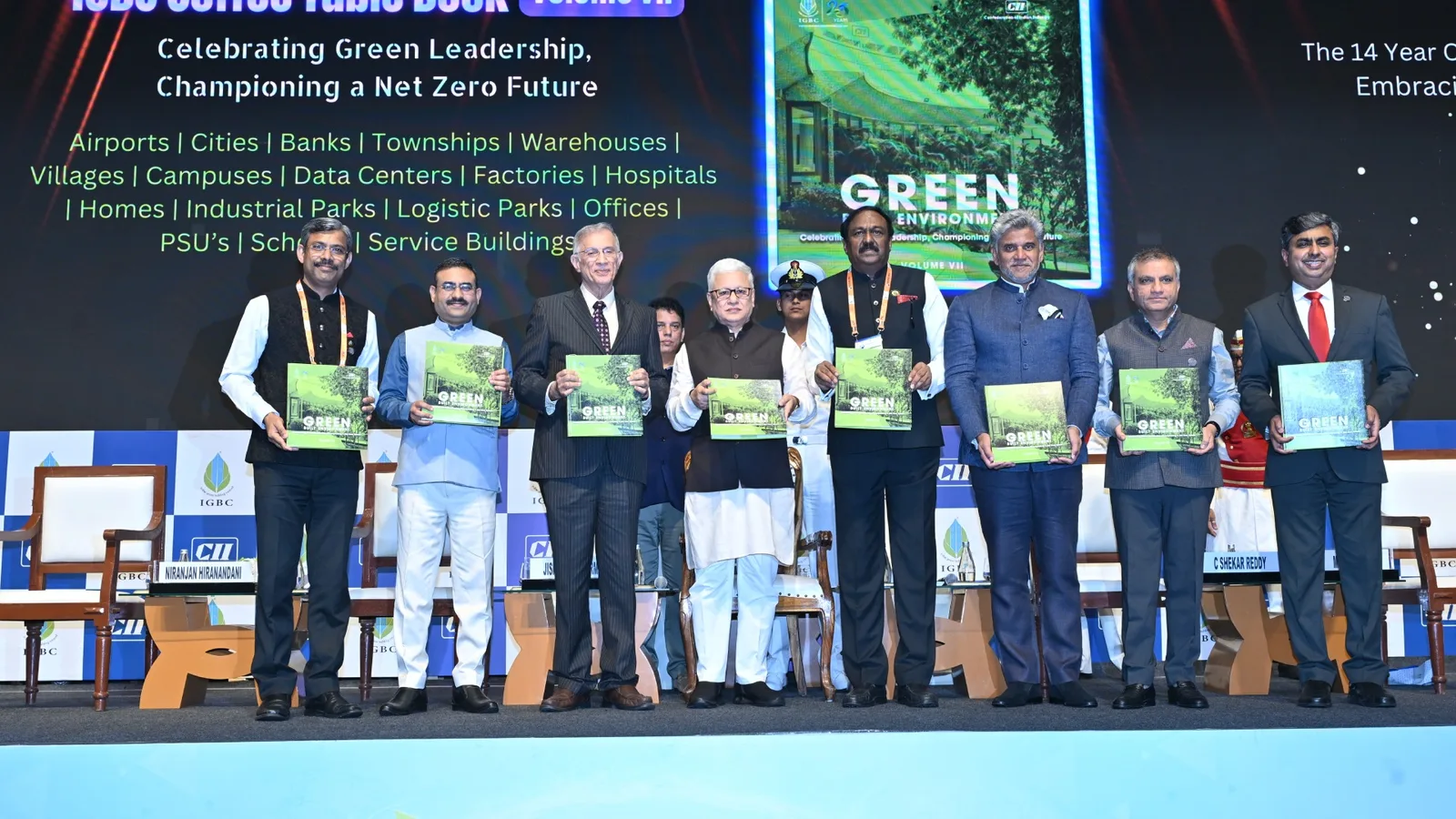
Maharashtra leads India with 4,754 green building projects.
The state offers incentives for sustainable construction practices.
India's overall green building footprint exceeds 16.55 billion sq. ft.
Maharashtra has established itself as the foremost state in India's sustainable construction landscape, with a remarkable total of 4,754 green building projects encompassing an impressive 5.01 billion square feet of built-up area. This significant milestone was highlighted during the CII-Indian Green Building Council (IGBC) Green Building Congress 2026 held in Mumbai, where Governor Jishnu Dev Varma emphasized the necessity for collaboration between government entities and real estate developers to expedite the nation's transition to net-zero emissions.
The state's commitment to green building standards is reinforced by various policy incentives. Maharashtra's government provides additional floor area ratio (FAR) incentives of 3%, 5%, and 7% for projects certified as Silver, Gold, and Platinum by the IGBC. These initiatives are part of broader environmental strategies, including the Mumbai Climate Action Plan and the Majhi Vasundhara Abhiyan, with an ambitious goal of achieving 50% renewable energy by 2030.
On a national scale, India's green building footprint has expanded to over 16.55 billion square feet, comprising more than 20,620 registered projects. This growth aligns with the nation's Viksit Bharat 2047 vision and its commitment to achieving net-zero emissions by 2070. Industry leaders at the congress highlighted the importance of integrating sustainability into the design phase of urban development, rather than treating it as an optional feature.
The congress also emphasized the significance of international collaboration in advancing sustainable infrastructure. HRH Princess Ashi Sonam Dechan Wangchuk from Bhutan underscored the necessity for global partnerships to foster climate-resilient and people-centric infrastructure. Additionally, the launch of the IGBC Coffee Table Book showcased over 100 exemplary green and net-zero projects across India, reflecting the momentum of the green building movement.
Looking ahead, the focus remains on translating the collective vision for sustainability into actionable steps. As urbanization continues to rise, industry leaders stress that sustainability must be woven into the fabric of development processes. The call for innovation, technology, and responsible construction practices is more crucial than ever as cities expand and the demand for sustainable living environments grows.