Maharashtra Sugarcane Cutters Demand Wage Increase Amid Drought
Approximately 500,000 sugarcane cutters in Maharashtra have ceased work, demanding an 80% wage increase as drought conditions threaten the sugarcane crop.
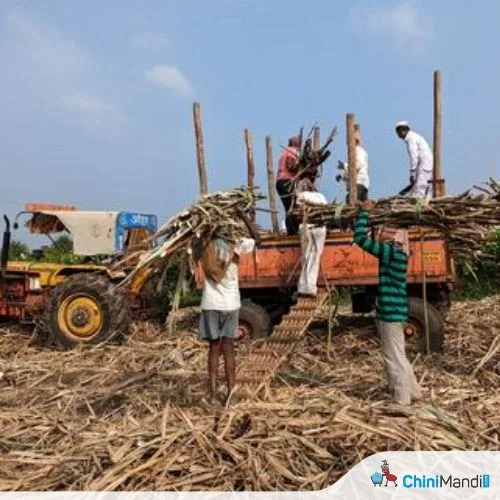
500,000 sugarcane cutters in Maharashtra halt work over wage disputes.
Current wage agreement expired, with demands for an 80% increase.
Drought conditions exacerbate the urgency for sugarcane harvesting.
In Maharashtra, around 500,000 sugarcane cutters have initiated a work stoppage due to unresolved wage demands, coinciding with the critical sugarcane crushing season. The Maharashtra State Sugarcane Harvesting and Transport Union has firmly stated that harvesting will not resume until their demand for an 80% wage increase is acknowledged. This strike comes after the expiration of a wage agreement that had been in place since January 2024, which included a 34% increase for the subsequent three crushing seasons.
The backdrop to this labor action is the ongoing drought affecting Maharashtra's agricultural landscape, particularly impacting sugarcane crops. Farmers are already grappling with water shortages, and any delay in the commencement of sugar mills' operations could further jeopardize their harvests. The union has been in negotiations with the government for three months, yet no resolution has been achieved, intensifying the urgency of the situation.
Abasaheb Chougule, the State General Secretary of the Sugarcane Cutters and Transport Workers’ Union, emphasized the workers' resolve, stating that they will not resume cutting until their wage concerns are addressed. The current rate of Rs 439 per tonne, which is deducted from the farmers’ Fair and Remunerative Price (FRP), is at the center of the dispute, with the union seeking a significant increase to support the workers better.
The implications of this strike extend beyond the immediate concerns of the sugarcane cutters. With sugar prices soaring to record highs, the lack of a corresponding increase in the FRP for sugarcane means that farmers may not benefit from the rising market prices. This situation could lead to further economic strain on both the workers and the farmers, as the latter may find themselves unable to sustain their livelihoods without adequate compensation for their crops.
Looking ahead, the union's demands and the government's response will be crucial in determining the future of the sugarcane harvesting season in Maharashtra. As the drought continues to pose challenges, both parties must find common ground to ensure that the harvesting can commence without further delay, thereby safeguarding the livelihoods of both the workers and the farmers involved in this vital industry.