Maharashtra Sugar Mills Face ₹7,000 Crore Loss from Ethanol Policy
The Centre's new ethanol procurement restrictions threaten significant revenue losses for Maharashtra's sugar industry.
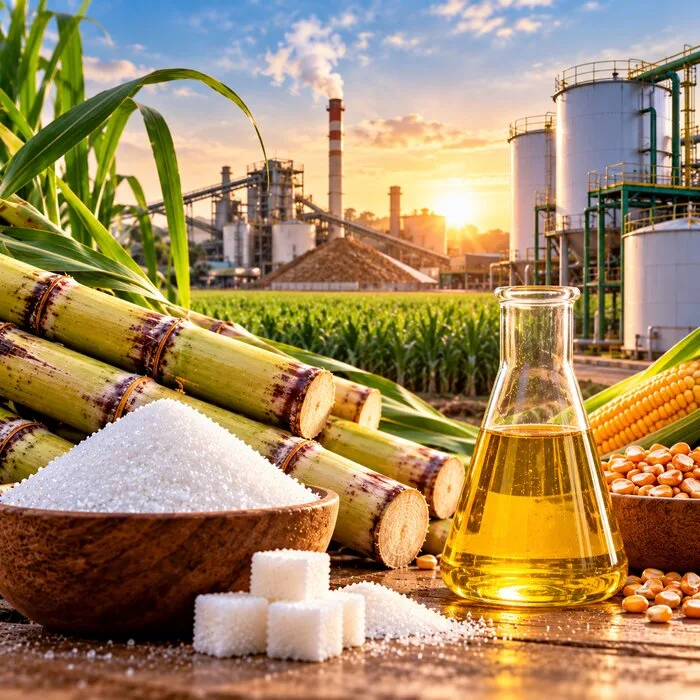
Maharashtra's sugar mills could lose ₹7,000 crore due to ethanol policy changes.
The Centre's restrictions aim to stabilize sugar prices ahead of the festive season.
Farmers and industry leaders are calling for increased support and price adjustments.
Maharashtra's sugar industry is grappling with a severe financial blow following the Centre's recent policy that halts oil marketing companies from purchasing ethanol derived from sugarcane juice, syrup, and B-heavy molasses for the current year. This decision is projected to cost sugar mills approximately ₹7,000 crore in lost revenue, exacerbating their financial struggles amidst anticipated declines in sugar production this season and raising alarms over timely payments to farmers.
The policy aims to enhance domestic sugar availability and control price surges as the festive season approaches. However, the restrictions on ethanol production from these sugarcane-based sources threaten a vital revenue stream for sugar mills, which rely on ethanol sales to maintain liquidity and support payments to sugarcane farmers.
Estimates provided to Chief Minister Devendra Fadnavis indicate that Maharashtra will have around 99 million tonnes of sugarcane available for crushing in the 2026-27 season, with sugar production expected to reach 9.6 million tonnes after diverting 1.5 million tonnes towards ethanol. However, early crushing and lower yields may reduce output by about 1.8 million tonnes, prompting sugar mills to seek financial aid for drought-affected farmers and an increase in the minimum selling price of sugar.
The Centre's one-year restriction on ethanol production has been implemented through procurement conditions in tenders for oil marketing companies, effectively barring them from purchasing ethanol from the specified sugarcane sources while allowing for ethanol from other crops. This has raised concerns, as C-heavy molasses, which constitutes only about 4% of ethanol production, cannot compensate for the loss of sugarcane-derived ethanol.
Industry experts highlight that Maharashtra's sugar factories possess an ethanol production capacity of around 3,750 million litres, but during the previous season, only 1,250 million litres were utilized. The average revenue from ethanol sales was approximately ₹7,500 crore. Farmer leader Raju Shetti emphasized that the new policy would disrupt cash flow for sugar factories, urging the government to raise the price of ethanol from C-heavy molasses to mitigate financial losses. Meanwhile, NFCSF President Harshvardhan Patil noted that the industry had invested over ₹35,000 crore in ethanol production facilities, warning that the new policy could lead to underutilization of production capacity. NFCSF Managing Director Prakash Naiknavare expressed hope for a policy revision in 2027.