Maharashtra Sugarcane Crushing Season Begins Amid Drought Challenges
The sugarcane crushing season in Maharashtra commenced on October 15, with mills facing fierce competition for limited cane supplies due to drought.
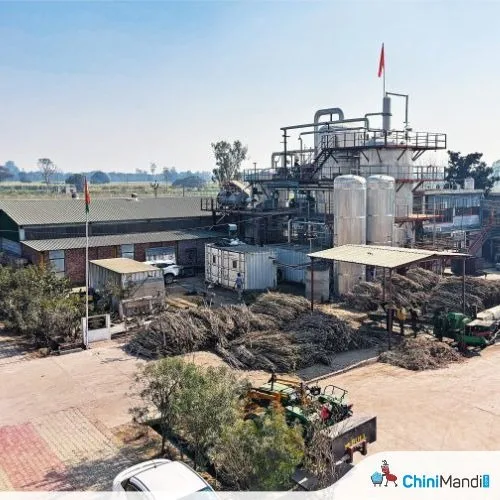
Crushing season started on October 15, 2023.
Drought conditions have severely impacted cane availability.
Mills are intensifying efforts to secure cane and ensure payments to farmers.
The sugarcane crushing season in Maharashtra officially began on October 15, 2023, although several mills commenced operations earlier in the month. Mills in both Marathwada and Western Maharashtra have started crushing, with some already processing cane. The ongoing drought poses significant challenges for sugar mills, as they strive to secure sufficient cane amidst reduced crop yields due to erratic rainfall and water shortages.
This year, the drought has severely affected sugarcane production, leading to concerns about the quantity and quality of cane available for processing. Many mills are currently assessing their cane supply and are worried about a potential decline in cane weight. Western Maharashtra, known as the primary sugar-producing region, is under scrutiny, particularly in districts like Pune, Satara, Sangli, Kolhapur, and Solapur, where mills are preparing for a critical season. Marathwada mills are also bracing for challenges related to water scarcity and limited cane supplies.
To navigate these difficulties, sugar mills are ramping up their efforts to gather adequate cane. With expectations of limited availability, competition among mills is anticipated to escalate. Mills with larger crushing capacities are focusing on ensuring a steady supply of cane to meet their operational targets. This includes increasing the number of harvesting teams, tractors, trucks, and other transport resources. Establishing strong communication with cane growers and optimizing harvesting and transport logistics are crucial this season.
The pricing of cane and timely payments will be pivotal for farmers as mills vie for their produce. Farmers are likely to consider not only the cane price but also the mills' harvesting schedules and transport arrangements when deciding where to sell their cane. The duration of this season and the ability of mills to secure enough cane will depend heavily on the ongoing drought conditions and the strategies employed by the mills.
B. B. Thombare, founder and chairman of Natural Sugar, shared insights about the upcoming season, stating that his mill aims to crush 1.2 million metric tonnes of cane. He announced a first instalment payment of ₹3,300 per tonne for delivered cane, emphasizing the prioritization of cane from fields severely affected by drought. This commitment is seen as a significant step for farmers, and it remains to be seen how other mills will respond in securing cane and enhancing payment offers for farmers.