Maharashtra Solar Installations Approach 20 GW Amid Banking Changes
Recent amendments in electricity banking are prompting a reevaluation of solar project economics in Maharashtra, as installations near 20 GW.
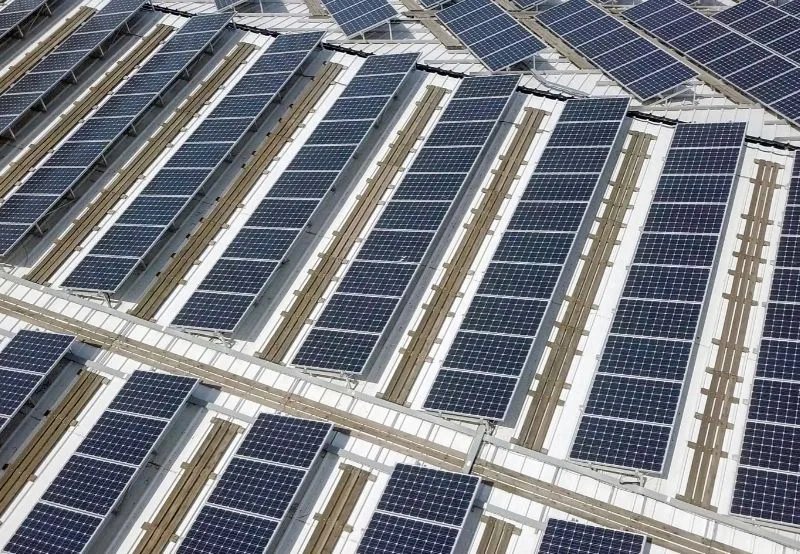
Maharashtra's solar installations are close to 20 GW, driven by the PM Surya Ghar scheme.
Changes in banking rules are affecting the profitability of solar projects for commercial consumers.
The solar manufacturing sector in India may face consolidation due to rising costs and competition.
As of November 16, 2026, Maharashtra's solar installations are nearing a significant milestone of 20 GW, largely attributed to the PM Surya Ghar: Muft Bijli Yojana. This initiative has successfully installed 19.64 GW across approximately 5.66 million systems, achieving around 67% of its targeted capacity. However, recent changes in electricity banking regulations, including time-of-day tariffs and grid support charges, are causing commercial and industrial consumers to reassess the financial viability of their solar projects, especially when excess power is generated.
The PM Surya Ghar scheme has emerged as a crucial factor in boosting residential rooftop solar installations in India. As the country approaches the 20 GW mark, stakeholders are increasingly concerned about how the new banking rules will impact the economics of solar energy production. The adjustments in regulations are expected to challenge the profitability of solar projects, compelling businesses to rethink their energy strategies.
In addition to the banking changes, the Indian solar manufacturing industry is facing a potential consolidation phase over the next few years. Rising input costs and regulatory uncertainties are contributing to this trend, as noted by Hiten Parekh, Chief Business Officer at GREW Solar. He indicated that manufacturers may encounter aggressive pricing pressures in the coming quarters, as supply outpaces demand in the rapidly expanding market.
The growth of solar capacity in neighboring Gujarat is also raising concerns about waste management for end-of-life solar modules. A study predicts that annual solar module waste could escalate from under 1,000 tons in 2026 to between 20,000 and 70,000 tons by 2040-2050, highlighting the need for effective recycling solutions. This situation underscores the importance of sustainable practices as solar energy adoption increases.
Looking ahead, the Central Electricity Regulatory Commission has amended regulations to enhance connectivity for renewable energy projects. These changes aim to facilitate smoother integration of renewable energy sources into the interstate transmission system. As Maharashtra continues to expand its renewable energy capacity, timely implementation of transmission upgrades will be crucial to meet the rising electricity demand and support the state's energy goals.