Maharashtra Scales Back Data Centre Plans Amid Local Concerns
Amid fears over resource depletion, Maharashtra revises its ambitious data centre project at Ujani Dam.
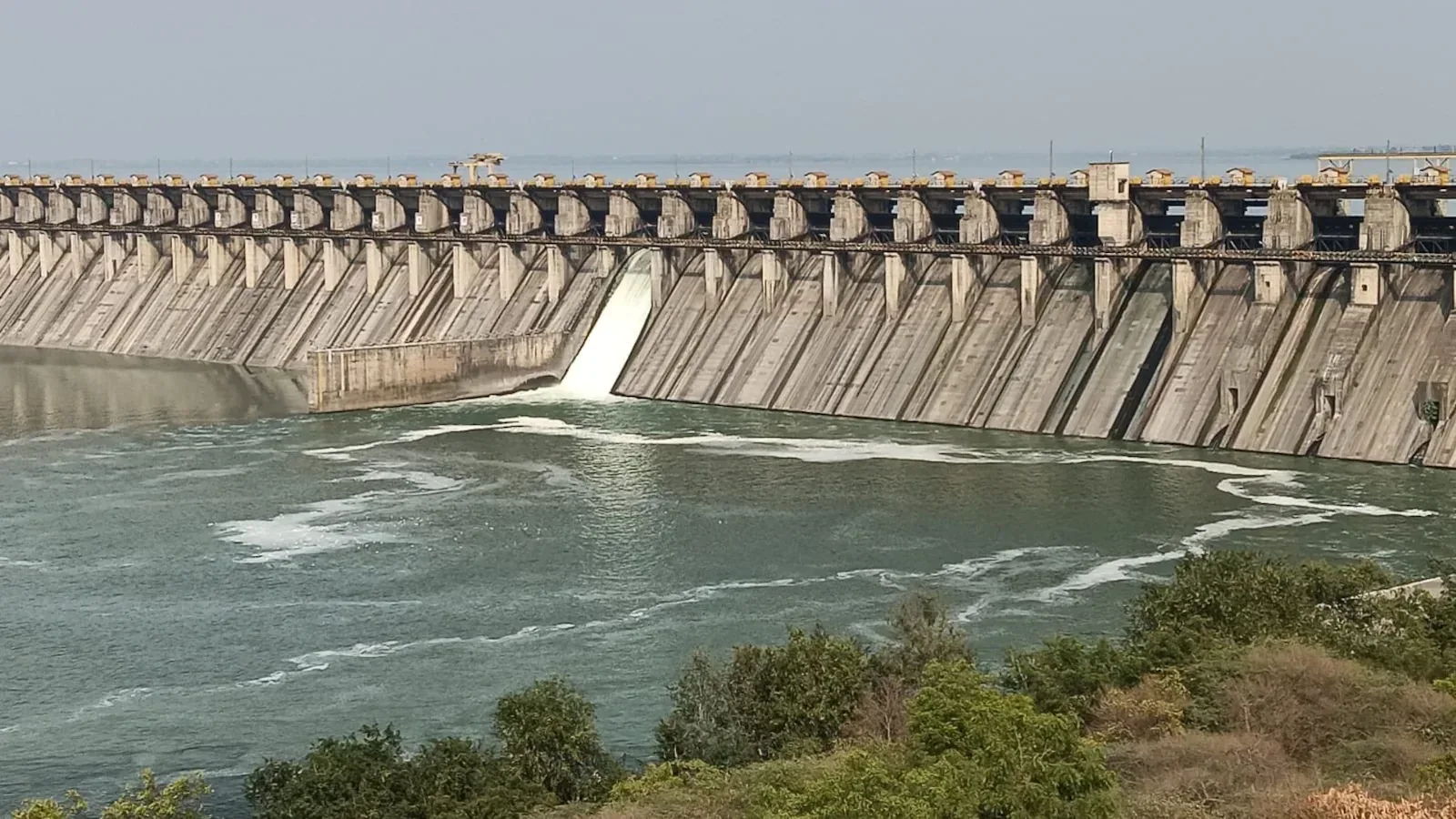
The revised project will focus on a 1,400-MW AI data centre and floating solar panels.
Local communities raised concerns about water usage and land acquisition.
The facility is expected to create approximately 2,800 permanent jobs.
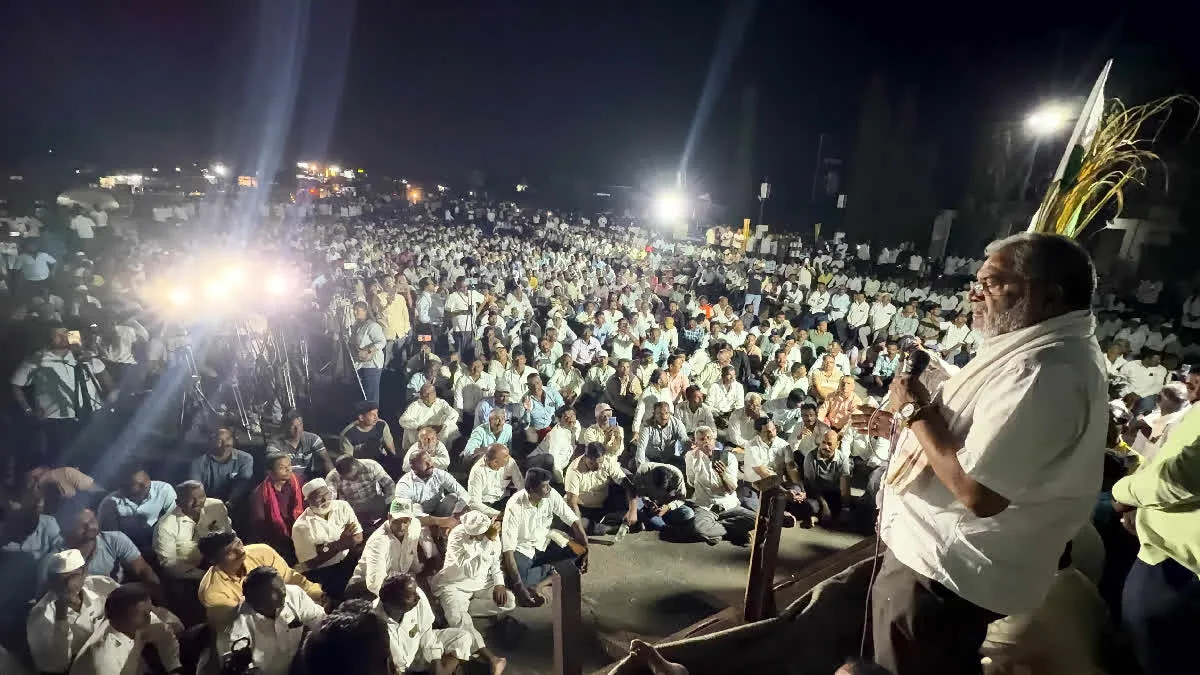
In a significant development, Maharashtra's government has announced a scaling back of its controversial data centre project at the Ujani Dam, responding to local fears regarding resource depletion. Originally proposed as a multi-faceted initiative worth Rs 1.65 lakh crore, the project faced intense scrutiny from local farmers and political leaders who expressed concerns over water usage and environmental impacts.
The initial plans included a Green Hydrogen plant and a Small Modular Nuclear Reactor, which raised alarms among residents about potential nuclear risks and chemical waste affecting their primary water sources. In light of these concerns, District Collector S Karthikeyan confirmed that the state government has scrapped these components, focusing instead on a data centre, floating solar panels, and a battery storage facility.
Karthikeyan addressed the community's worries by explaining that the data centre will employ a closed-loop dry cooling system, significantly reducing water consumption to just 0.50 TMC per year, which is less than 1% of the dam's capacity. Additionally, the floating solar panels are expected to mitigate evaporation, potentially conserving more water than the facility will use.
The project has also been designed to avoid impacting local agriculture. The land required for the facility is entirely owned by the state irrigation department, ensuring no private farmland will be affected. Furthermore, the floating solar panels will occupy only a small fraction of the reservoir, leaving ample space for fishing activities.
Looking ahead, the data centre is projected to create around 2,800 permanent jobs, along with numerous indirect employment opportunities during its construction phase. As the government works to build trust with local communities, the updated project aims to foster Maharashtra's digital economy while preserving its agricultural heritage.