Maharashtra's Rabi Sowing Plummets to 17% Amid Rainfall Deficit
Maharashtra faces its lowest Rabi sowing in decades, with only 10.02 lakh hectares cultivated due to insufficient rainfall.
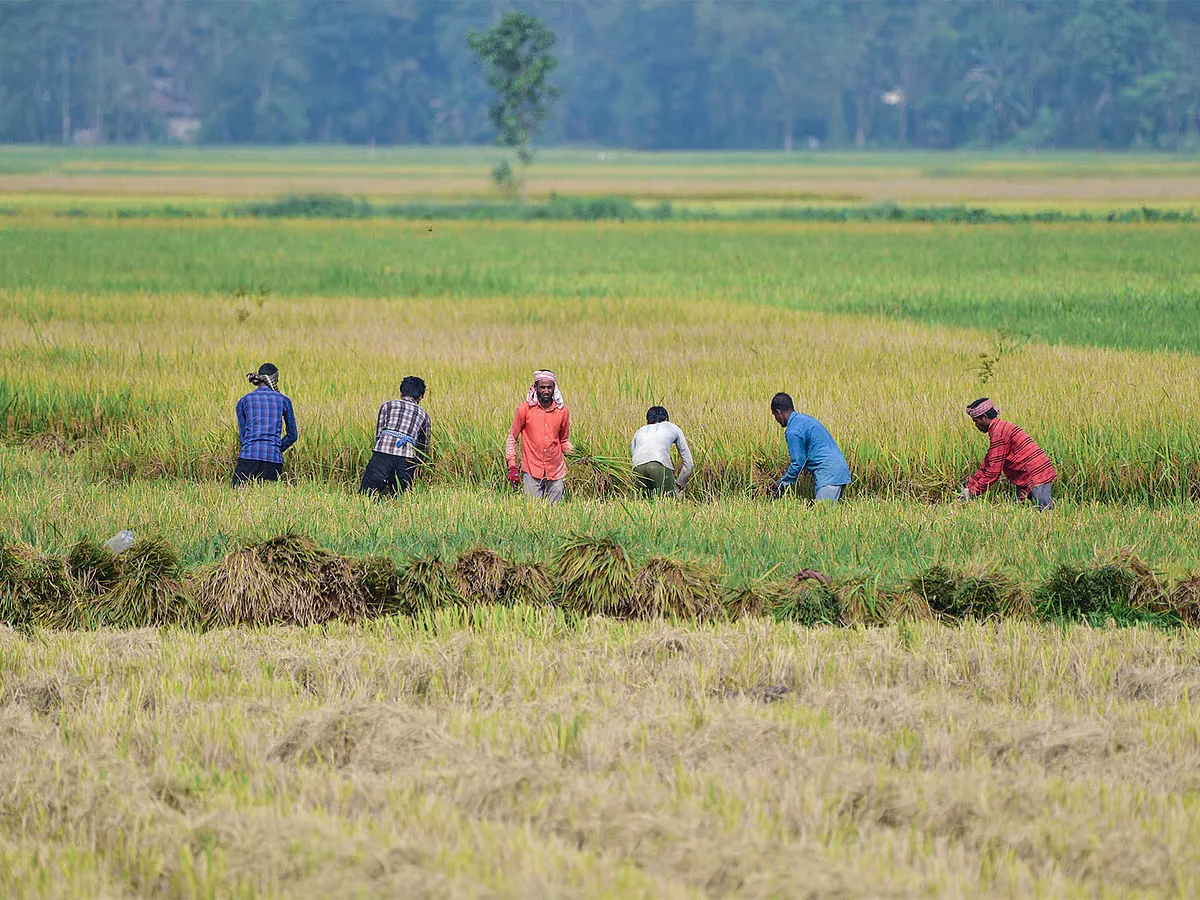
Rabi sowing in Maharashtra stands at just 17%, the lowest in recent history.
The Latur division leads with 2.36 lakh hectares, yet only 16% of its normal area is sown.
Farmers are shifting focus to less water-intensive crops like jowar and gram amid ongoing drought conditions.
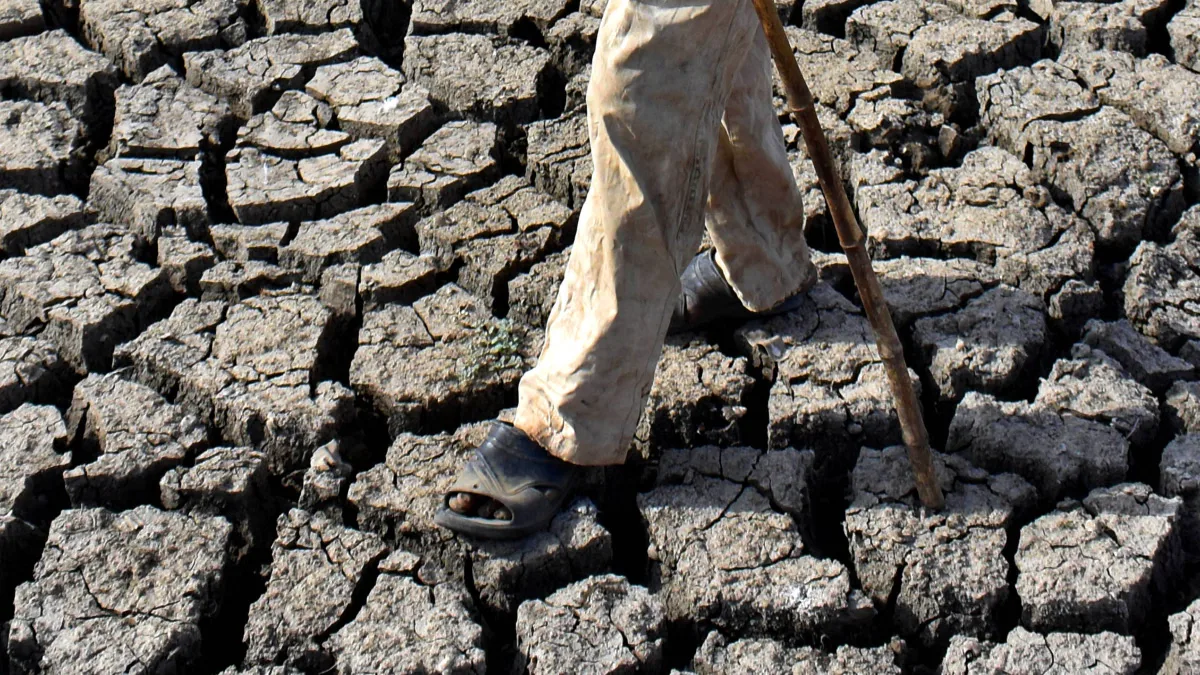
Maharashtra's agricultural landscape is grappling with a significant downturn this year, as the state records a mere 17% of its normal Rabi sowing area, translating to just 10.02 lakh hectares. This figure is alarmingly low, especially when compared to the 47.29 lakh hectares sown during the severe drought year of 1972. The data, released by the Maharashtra Agriculture Department, highlights the challenges posed by deficient monsoon rainfall and inadequate soil moisture, which have severely hampered agricultural activities across the region.
The sowing report for the 2026–27 agricultural season indicates a stark decline in Rabi sowing compared to the previous year. By November 17, 2025, farmers had managed to sow approximately 16.51 lakh hectares, showcasing a shortfall of nearly 6.49 lakh hectares this season. This decline underscores the detrimental effects of prolonged dry spells and insufficient post-monsoon rainfall on the state's farming operations.
In terms of regional performance, the Latur division has recorded the highest Rabi sowing at 2.36 lakh hectares, yet this only accounts for 16% of its normal average area. Other divisions such as Pune and Amravati follow with 1.86 lakh and 1.48 lakh hectares, respectively. The Konkan division, in stark contrast, has reported a meager 1,579 hectares of sowing, reflecting the widespread impact of the rainfall deficit. Farmers are increasingly opting for cereals and pulses, with cereals covering 5.29 lakh hectares and pulses 4.61 lakh hectares, totaling 9.92 lakh hectares of food grain coverage.
The choice of crops is shifting towards less water-intensive varieties, with jowar and gram emerging as the preferred options among farmers. Recent assessments indicate that jowar has been sown across approximately 3.16 lakh hectares, while gram has reached 3.79 lakh hectares. The slow progress in wheat cultivation, which has only covered 53,626 hectares, is particularly concerning as the crop requires reliable irrigation during critical growth stages. Agricultural experts are advising farmers to focus on short-duration crops based on available water resources.
The implications of this year's Rabi sowing figures are significant for Maharashtra's agricultural sector and food security. Farmers in drought-prone areas, particularly in Marathwada and western Maharashtra, are either delaying sowing or limiting cultivation to irrigated fields. The Kharif season has also been marked by uneven sowing patterns, with overall acreage falling short of targets. As the state navigates these challenges, the focus will remain on adapting agricultural practices to mitigate the impacts of climate variability and ensure food production stability.