Maharashtra Faces Dual Monsoon Crisis: 2025 Floods and 2026 Drought
Maharashtra's agriculture sector grapples with extreme weather patterns, impacting food security and farmer livelihoods.
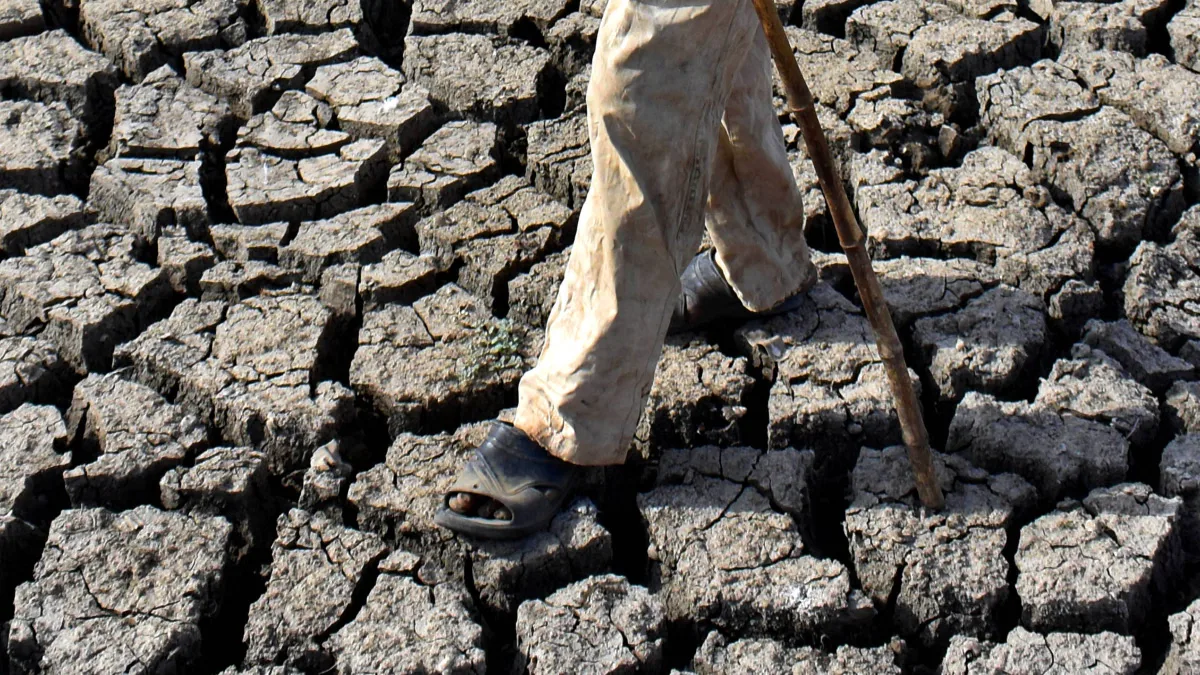
Maharashtra experienced a drastic shift from excessive rainfall in 2025 to significant drought in 2026.
The state government has implemented various drought relief measures to support affected farmers.
Technological advancements are being utilized to enhance climate-smart farming practices.
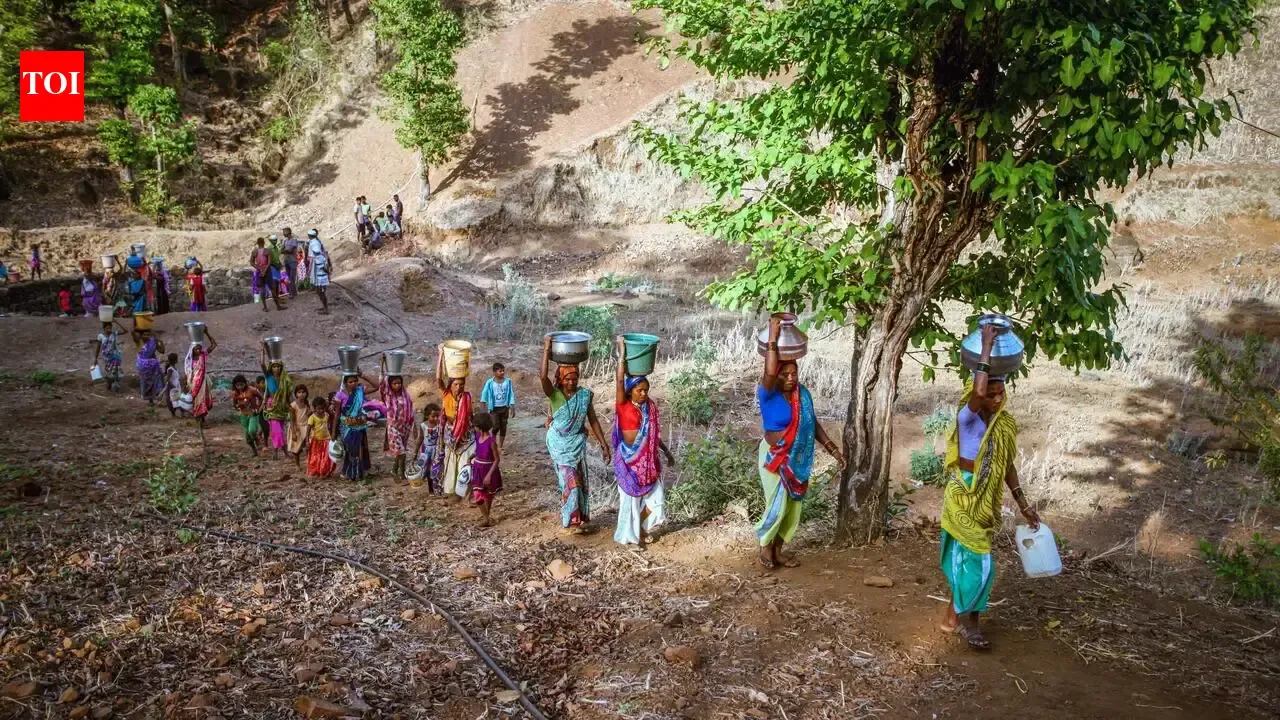
Maharashtra's agricultural landscape is currently facing a severe dual crisis, having transitioned from an unprecedented 109.1% of normal rainfall in 2025, which resulted in widespread flooding, to a stark 19% deficit in 2026. This drastic change has left 308 of the state's 358 talukas declared drought-affected, significantly impacting the livelihoods of farmers across the region.
Historically, Maharashtra has been a cornerstone of India's agricultural output, contributing significantly to the production of sugar, jowar, onions, and other vital crops. However, the erratic monsoon patterns have raised alarms regarding food security. The state government has reported that crop losses have exceeded 33% across 14.15 million hectares, affecting over 116 lakh farmers. This situation underscores the vulnerability of agriculture to climatic fluctuations and global conflicts that disrupt supply chains.
In response to the current crisis, the Maharashtra government has enacted a series of drought relief measures, including restructuring crop loans and providing financial assistance to farmers. A total of Rs 7,500 crore has been allocated to support those affected, alongside the implementation of the Maharashtra Fodder Development Policy to address fodder shortages. These initiatives aim to alleviate immediate distress while ensuring that farmers receive necessary support during this challenging period.
The implications of Maharashtra's agricultural challenges extend beyond state borders, as disruptions in production can affect national food security and market stability. The state's agricultural workforce, comprising 43.2% of the total, relies heavily on consistent weather patterns for their livelihoods. As Maharashtra is a leading producer of various crops, any significant disruption can have ripple effects throughout the country.
Looking ahead, the state is focusing on climate-smart agricultural practices, leveraging technology to enhance decision-making for farmers. Initiatives like the MahaVISTAAR platform aim to provide localized advice on weather and market conditions, benefiting millions of farmers. As Maharashtra continues to navigate these challenges, the emphasis will be on building resilience against climate variability while ensuring that farmers can sustain their livelihoods amid unpredictable weather patterns.