Maharashtra's Land Titling Bill: Aiming for Ownership Clarity
Maharashtra's proposed Land Titling Bill seeks to redefine land ownership verification, potentially reshaping land disputes in the state.
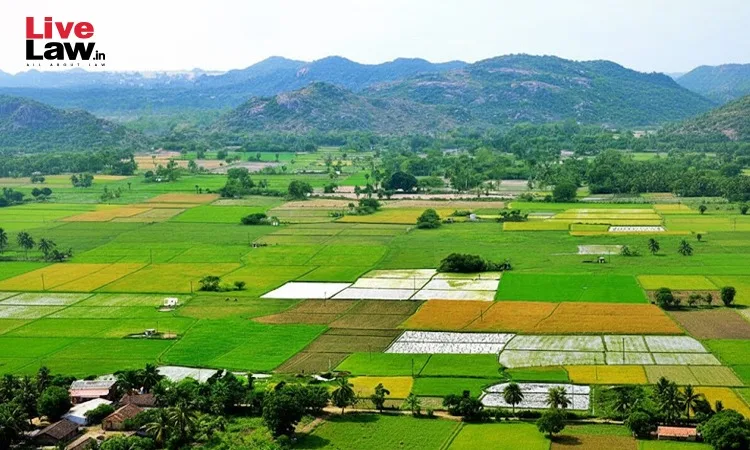
The Bill aims to certify land ownership, addressing gaps in current land records.
Concerns arise over the qualifications of officers handling ownership disputes.
The proposed law may impact ongoing land litigations and the rights of vulnerable groups.
Maharashtra's proposed Land Titling Bill, unveiled on October 9, 2026, aims to transform how land ownership is verified in the state. This legislation seeks to address the prevalent issue of land disputes, which account for a significant portion of civil litigation in Maharashtra. By certifying ownership rather than merely recording possession, the Bill intends to provide clarity and reduce the number of legal conflicts surrounding land ownership.
The context for this legislation stems from a broader national concern regarding land disputes, highlighted by the Union government's Model Land Titling Act. This model was developed after NITI Aayog reported that land-related conflicts constitute approximately two-thirds of civil cases in India. While several states have adopted variations of this model, Maharashtra's draft is currently open for public objections, reflecting a proactive approach to land reform.
Under the proposed Bill, a Land Authority would be established to create a comprehensive survey record and draft a Record of Titles for designated areas. The process would involve inviting claims and objections, with undisputed entries being recorded. Disputes would be escalated through a structured hierarchy, culminating in a High Court review. Notably, after three years, an entry would serve as conclusive proof of title, effectively barring civil courts from intervening in matters within the jurisdiction of these authorities.
While the Bill promises to streamline land transactions and reduce fraudulent activities, concerns have emerged regarding the qualifications of the officers responsible for adjudicating ownership disputes. Critics argue that the lack of judicial qualifications for the Title Registration Officer and the Dispute Resolution Officer could undermine the integrity of the process. Additionally, the Bill's provisions regarding the finality of titles without adequate safeguards for vulnerable populations, such as minors and overseas heirs, have raised alarms among legal experts and advocacy groups.
Looking ahead, the success of Maharashtra's Land Titling Bill will depend on addressing these concerns and ensuring that the implementation process is transparent and fair. Stakeholders, including legal professionals and landholders, are encouraged to engage with the draft and submit objections to shape a more equitable land ownership framework. The lessons learned from Andhra Pradesh's experience with a similar law underscore the importance of a well-structured approach to land titling that prioritizes justice and accessibility for all citizens.