Maharashtra's Irrigation Act of 1976 Lacks Rules After 47 Years
The Maharashtra Irrigation Act remains ineffective due to the absence of implementing rules, exacerbating the state's water crisis.

The Maharashtra Irrigation Act, enacted in 1976, has no statutory rules nearly five decades later.
The lack of regulations has led to rampant water theft and inequitable distribution, particularly affecting vulnerable farmers.
A public interest litigation has been filed to expedite the rule-making process, but progress remains stalled.
In a glaring example of administrative oversight, the Maharashtra Irrigation Act of 1976 has yet to see the establishment of necessary statutory rules, nearly five decades after its enactment. This legislative gap has rendered several provisions of the Act ineffective, particularly as the state faces ongoing drought conditions. The Act empowers the government to restrict water-intensive crops, such as sugar cane, during periods of severe water scarcity, and grants canal officers the authority to take action against water thieves, including arrest without a warrant.
Experts have pointed out that the absence of implementing rules has created a regulatory void, leading to widespread water theft and arbitrary decision-making. Madhav Purandare, a water management expert, emphasized that this failure is not just a bureaucratic oversight but a significant breach of constitutional intent. He noted that while the legislature sets out broad principles, the absence of specific rules means that water rights allocation remains unchecked, allowing for discretionary misuse.
Currently, the water resources department relies on the outdated Bombay Canal Rules of 1934, which were established under a repealed irrigation act from 1879. This reliance has allowed politically powerful irrigators to monopolize water resources, leaving less influential farmers at a disadvantage. Purandare highlighted that the interests of influential vote banks often overshadow the needs of vulnerable farming communities, exacerbating inequities in water distribution.
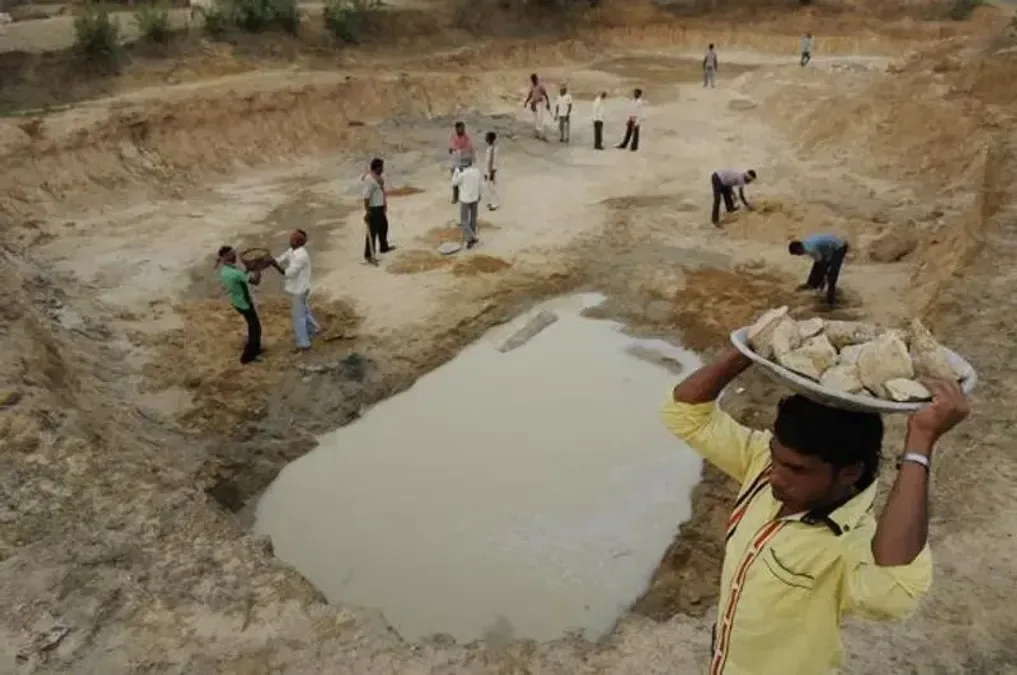
The urgency of this issue has intensified with drought conditions declared in 265 of Maharashtra's 358 talukas, affecting approximately 74% of the state. Local authorities have been instructed to reduce water supply by 10% in anticipation of summer, raising concerns among experts about the lack of enforceable irrigation rules. This absence has left agricultural regions vulnerable to water hoarding and unfair distribution practices.
Purandare referred to the situation as “institutional lawlessness,” arguing that the ongoing failure to implement rules undermines legal accountability and paves the way for unchecked privatization of water resources. A public interest litigation filed in August 2015 has urged the Bombay High Court to compel the state government to establish a timeline for finalizing these rules. Although a draft was submitted by an expert committee in July 2015, it remains unaddressed nearly a decade later, raising questions about Maharashtra's capacity to effectively manage its water crisis.