Maharashtra's GSDA to Shift to Monthly Groundwater Assessments
The Groundwater Survey and Development Agency will enhance monitoring efforts amid rising water scarcity concerns.
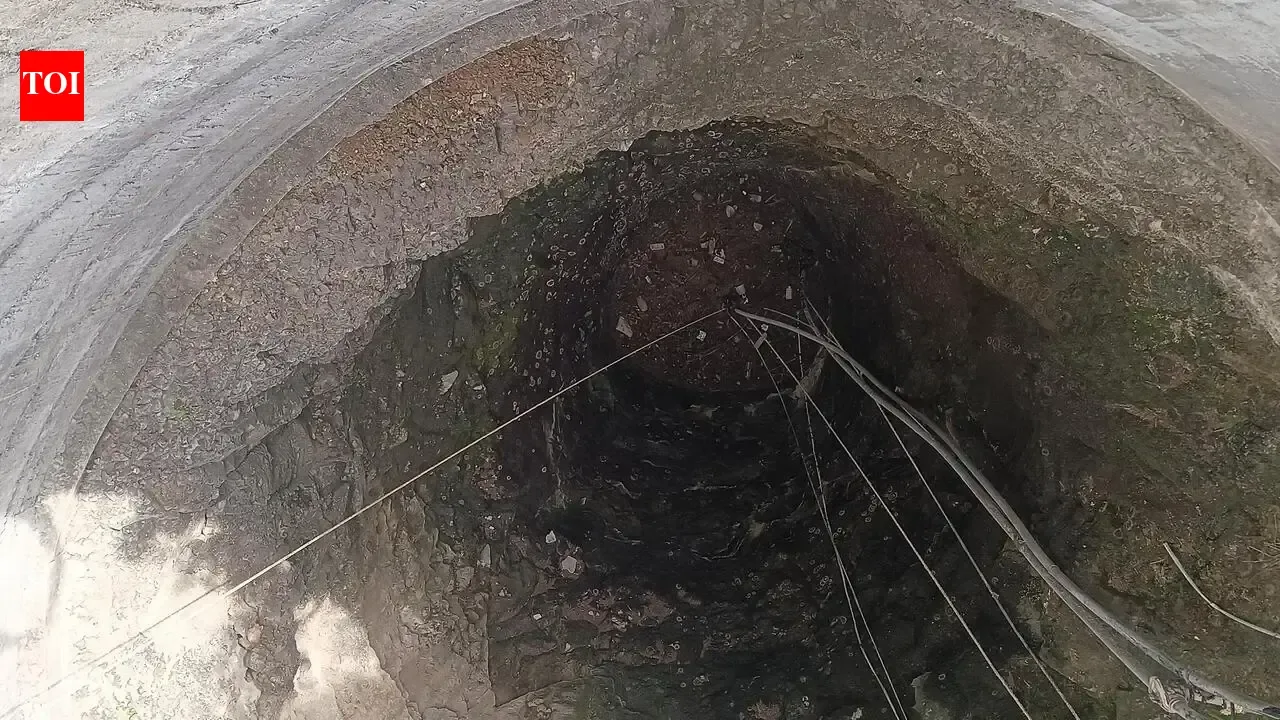
GSDA will transition to monthly groundwater assessments to address drinking water shortages.
Over 3,800 observation wells will be expanded for better local water management.
Experts emphasize the need for improved conservation strategies in drought-prone areas.
In response to escalating concerns over water scarcity, the Groundwater Survey and Development Agency (GSDA) in Maharashtra has announced a significant shift in its monitoring strategy. The agency will now conduct monthly assessments of groundwater levels, moving away from its previous quarterly reports. This change aims to address the potential panic and social tensions that could arise from prolonged drinking water shortages, particularly in drought-prone regions of the state.
Currently, GSDA monitors groundwater through a network of 3,816 observation wells statewide. Commissioner Ravindra Khebudkar highlighted that increasing the number of monitoring points will facilitate the development of micro-level water management plans tailored to each district. This proactive approach is intended to identify localized water stress before it escalates into critical shortages. Khebudkar emphasized the unprecedented nature of the situation, stating, "We are closely monitoring every district and will now submit monthly reports to the state government."
The expanded network of observation wells will allow for more precise tracking of groundwater depletion at the village and locality levels. This will enable district administrations to prioritize drinking water supply, protect vulnerable community sources, and plan timely interventions. GSDA has already implemented digital monitoring systems at 100 wells, with plans to extend this technology further. A senior GSDA official noted that real-time monitoring would help detect sudden drops in groundwater levels, prompting immediate action in affected areas.
The situation has become increasingly alarming, with reports indicating that water levels have plummeted by over three meters in many wells. This concern has intensified following forecasts from the India Meteorological Department predicting below-normal rainfall and above-normal temperatures in the coming months. These conditions are expected to exacerbate water stress in already vulnerable regions, leading to renewed scrutiny of Maharashtra's water conservation efforts, especially in Marathwada and other drought-affected districts.
Experts have called for a renewed focus on sustainable water management practices, including watershed development, rainwater harvesting, and the restoration of traditional conservation systems. Pradeep Purandare, a retired professor at the Water and Land Management Institute, criticized the government's focus on large-scale projects rather than scientifically grounded conservation measures. He stressed the importance of implementing effective conservation strategies tailored to local conditions. As the crisis unfolds, farmers and water activists are advocating for long-term solutions to ensure reliable water access for agricultural and household needs.