Maharashtra Prepares for 2026-27 Season with 2,720 Sugarcane Harvesters
The state ramps up mechanised sugarcane harvesting to tackle labour shortages and ensure timely supply for the upcoming crushing season.
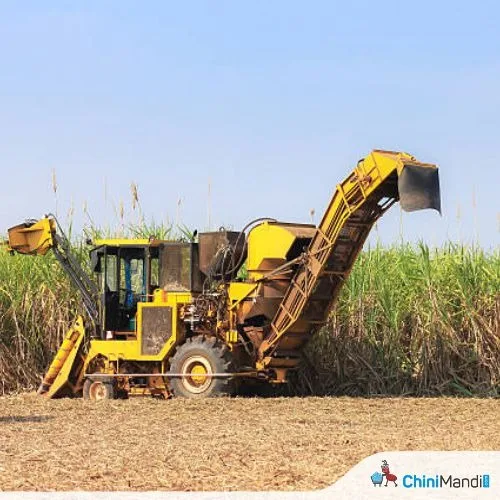
Maharashtra has 2,720 mechanised sugarcane harvesters ready for the 2026-27 season.
Mechanical harvesting can significantly increase efficiency but may lead to some crop losses.
The Centre's Sub-Mission on Agricultural Mechanization supports farmers with financial assistance for machinery.
Maharashtra is set to enhance its sugar industry operations by deploying 2,720 mechanised sugarcane harvesters for the 2026-27 crushing season. This initiative aims to mitigate labour shortages and ensure that sugarcane is supplied to factories in a timely manner. The harvesters are expected to cover around 2.15 lakh hectares of sugarcane fields across the state, as reported by Agrowon.
The mechanisation of sugarcane harvesting is a response to the challenges posed by fluctuating rainfall and water scarcity, which can adversely affect crop growth. With approximately 12-14 lakh hectares dedicated to sugarcane cultivation, the need for efficient harvesting methods becomes crucial. Currently, 321 of the harvesters are owned by sugar factories, while the remaining 2,399 are leased by mills, highlighting a shift towards mechanical solutions to streamline cane procurement processes.
Mechanical harvesters are capable of harvesting up to 200 tonnes of sugarcane daily under optimal conditions. However, the actual efficiency can vary based on factors such as cane yield and field layout. While the cost of mechanical harvesting ranges from Rs 450 to Rs 500 per tonne, manual harvesting costs about Rs 366 per tonne. This cost differential raises important considerations for farmers regarding the economic viability of adopting mechanisation.
Despite the benefits of mechanisation, challenges remain. Farmers have expressed concerns about potential losses, as some cane may remain unharvested, and the weight of harvested cane could be reduced by 6-7% due to material losses. Additionally, the fragmentation of fields can complicate the harvesting process. Addressing these issues is essential for the successful expansion of mechanised harvesting in the state.
Looking ahead, Maharashtra Sugar Commissioner Sanjay Kolte emphasized the growing trend of mechanised harvesting, supported by government incentives. With around 400 machines receiving subsidies last year, the state is poised to continue prioritising this method in the current season. The Centre's Sub-Mission on Agricultural Mechanization also plays a vital role in providing financial support to Custom Hiring Centres, facilitating the purchase of harvesting machines. As the industry evolves, it will be crucial to balance mechanisation with the economic impacts on farmers and the availability of fodder.