Maharashtra Implements 10% Water Cut Starting October 16
In response to a significant rainfall deficit, Maharashtra will enforce a 10% water cut across all local bodies from October 16, urging industries to recycle water.
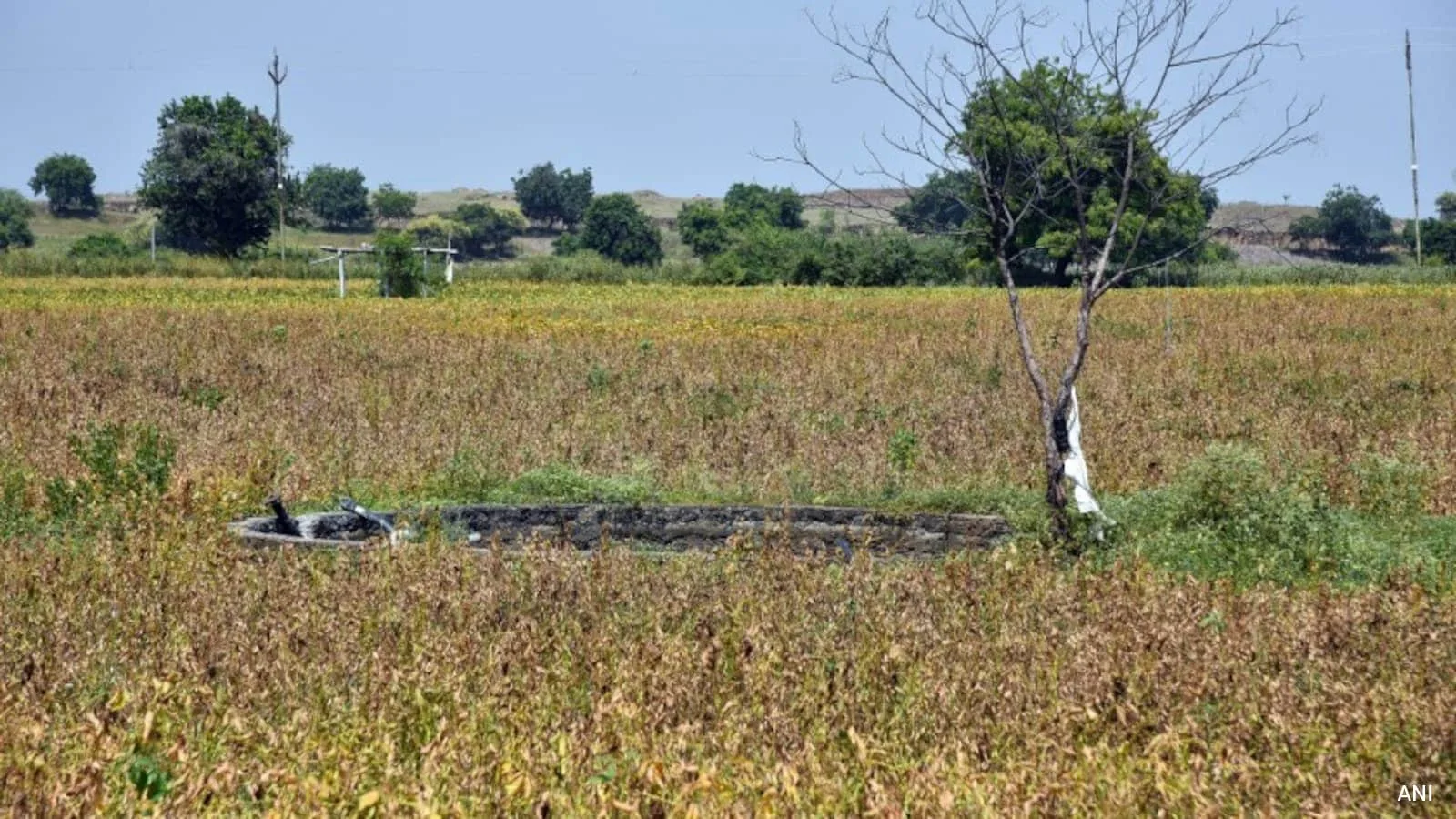
Maharashtra declares a 10% water cut effective October 16 due to drought.
Industries must recycle at least 30% of their water usage.
A central team will assess drought conditions in 265 affected talukas.
The Maharashtra government has announced a mandatory 10% reduction in water supply for both urban and rural local bodies, effective from October 16. This decision comes in light of a significant deficit in monsoon rainfall, which has prompted the state to take urgent measures to manage its water resources more effectively.
On September 26, the state declared a drought in 265 of its 358 talukas, accounting for approximately 74% of Maharashtra. The state's Water Resources Minister, Girish Mahajan, emphasized the need for a comprehensive water management plan that will extend until August 31, 2027. This plan includes maintaining a 10% emergency buffer in reservoirs and prioritizing drinking water needs over agricultural irrigation.
Under the new regulations, industries are required to recycle or reuse at least 30% of the water they consume. Local authorities have also been instructed to utilize treated wastewater for non-potable purposes such as gardening and construction, thereby conserving fresh water supplies. Additionally, measures will be taken to prevent unauthorized water extraction and to monitor water leakages rigorously.
The implications of this water cut are significant for both urban and rural communities, particularly in light of the ongoing drought conditions. The government has urged citizens to conserve water and utilize it judiciously. The central government is set to dispatch a team to Maharashtra later this week to evaluate the drought's impact and recommend assistance for affected farmers through disaster response funds.
Looking ahead, the Maharashtra government is committed to implementing its water management strategies while addressing the challenges posed by climate factors such as El Nino. The focus will remain on ensuring that drinking water needs are met while balancing agricultural demands, with further assessments planned to gauge the situation in the coming weeks.