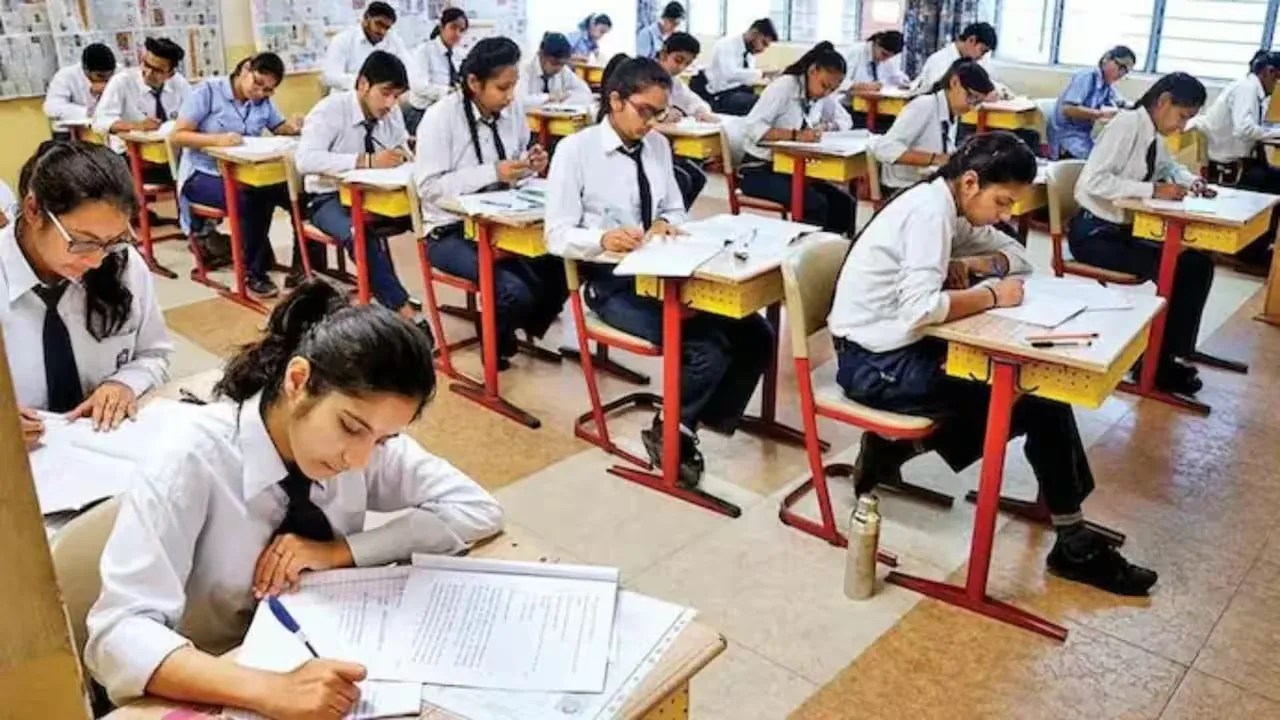
Maharashtra Proposes Fine Reductions for Private Colleges
The Maharashtra government plans to amend penalties for admission violations in private professional colleges.
Current fines for admission violations range from Rs 3 lakh to Rs 15 lakh.
Proposed amendments aim to align penalties with the severity of the violations.
Smaller institutions have struggled with the financial burden of existing fines.
The Maharashtra government is considering a revision of the fines imposed on private professional colleges for admission-related violations. This proposal aims to amend the Maharashtra Unaided Private Professional Educational Institutions Act, ensuring that penalties are more proportional to the nature of the offenses committed. Currently, colleges face substantial fines that can range from Rs 3 lakh to Rs 15 lakh, even for relatively minor infractions.
Officials have noted that the existing penalty structure may not be justifiable, particularly for smaller institutions that may lack the financial resources to absorb such significant fines. The government recognizes that these penalties can sometimes exceed the financial capacity of these colleges, which are crucial in providing professional education.
The proposed changes are part of a broader effort to create a more equitable regulatory environment for educational institutions. By adjusting the fines, the government hopes to encourage compliance among colleges while also ensuring that the penalties serve as a deterrent without being excessively punitive.
This move could have significant implications for the higher education landscape in Maharashtra. It may lead to a more sustainable operational environment for private colleges, particularly those that are smaller or newly established. The reduction in financial penalties could enable these institutions to allocate more resources toward improving educational quality and student services.
Looking ahead, the Maharashtra government is expected to finalize the amendments in the coming months. Stakeholders in the education sector will be closely monitoring these developments, as they could reshape the regulatory framework governing private professional education in the state.