Maharashtra Government Reports 64 Active Maoist Groups in Court
The Maharashtra government has informed the Bombay High Court about the presence of 64 active Maoist organizations, marking the state as a key center for urban Maoist activities.
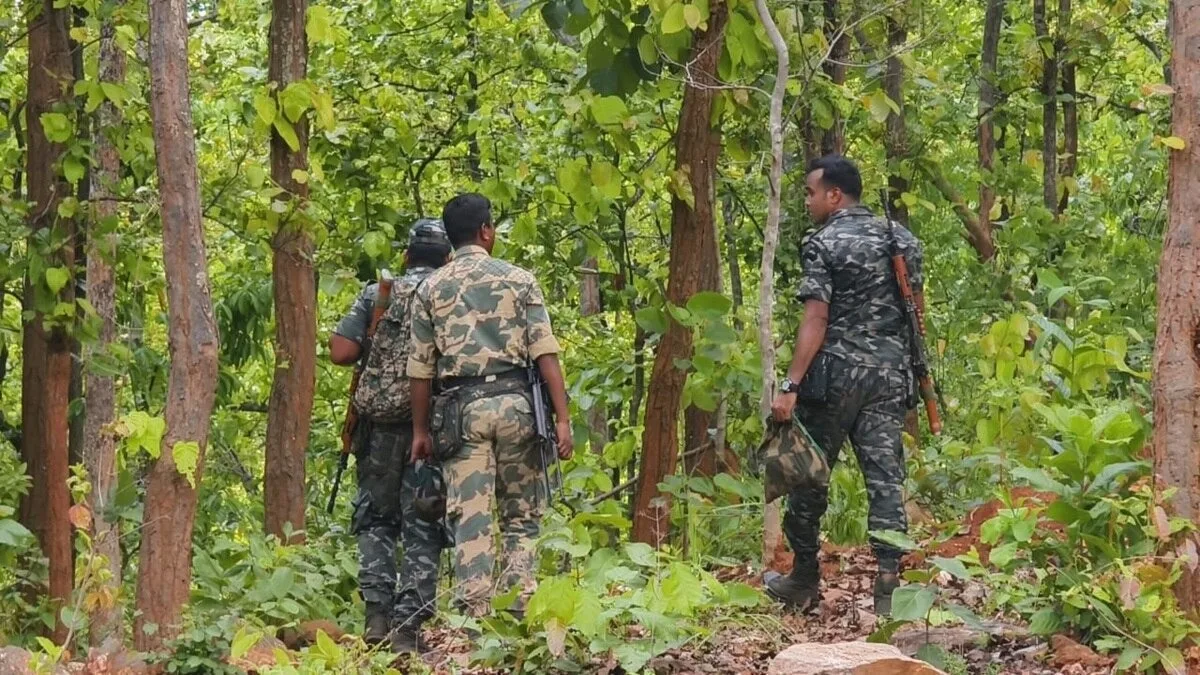
Maharashtra is identified as the focal point for urban Maoist activities with 64 active groups.
The Maharashtra Special Public Security Act aims to curb unlawful activities linked to these organizations.
Petitions challenging the law's validity have been filed by opposition parties and activists.
In a significant legal development, the Maharashtra government has revealed to the Bombay High Court that the state has become a central hub for urban Maoist activities, with 64 active organizations identified. This information was disclosed in an affidavit submitted on Tuesday, emphasizing the need for a robust legal framework to combat unlawful and extremist activities in the region.
The affidavit was part of the government's defense against petitions challenging the constitutional validity of the Maharashtra Special Public Security Act. This legislation, passed by the state assembly in July and later approved by President Droupadi Murmu, was introduced to address the growing influence of urban Maoist networks across Maharashtra. The government claims that the presence of these groups necessitates a specialized legal approach to maintain public order and national integrity.
According to the affidavit, the Ministry of Home Affairs has provided data indicating that Maharashtra hosts the highest number of active Maoist organizations in the country. The law aims to balance fundamental rights with the state's obligation to safeguard public safety. It outlines several offenses, including membership in unlawful organizations, fundraising for such groups, and assisting in their management, which can lead to severe penalties.
The implications of this legislation are significant for the public and civil liberties in Maharashtra. Critics, including the Congress and the Communist Party of India, argue that the law grants excessive powers to the state, allowing it to ban organizations and seize properties based on vague definitions. They contend that this could lead to potential misuse against dissenting voices and social activists.
As the case progresses, the Bombay High Court has granted the petitioners additional time to respond to the government's affidavit. The outcome of this legal battle will be crucial in determining the future of the Maharashtra Special Public Security Act and its impact on civil rights in the state.