Maharashtra Forms Committee for Zero-Waste Bio-Refinery in Sugar Mills
A new committee in Maharashtra aims to develop a zero-waste bio-refinery model for sugar mills, focusing on diverse by-products.
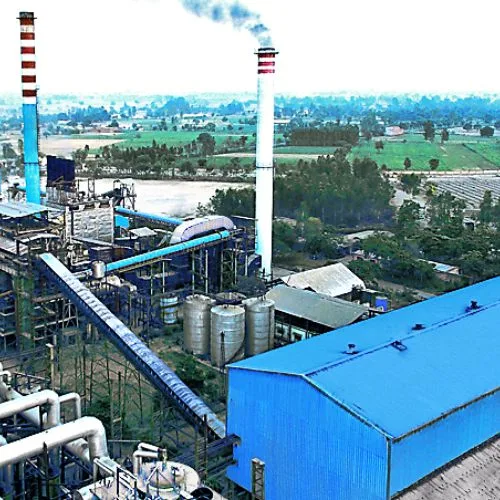
Maharashtra's committee will explore a zero-waste bio-refinery model for sugar mills.
The funding structure involves 20% from the Centre, 10% from the state, and 70% from the mills.
The committee is tasked with submitting its recommendations within two months.
In a significant move towards sustainability, the Maharashtra government has established a committee to create an integrated zero-waste bio-refinery model specifically for sugar mills. This initiative, announced through a Government Resolution (GR) by the Cooperation Department, aims to enhance the production of ten different by-products, including compressed biogas, ethanol, and sustainable aviation fuel. The overarching goal is to implement a by-product policy that will increase the income of sugar mills through diversified production.
The committee, led by the Sugar Commissioner, will assess the feasibility of a funding model where the Central government contributes 20% of the costs, the state government covers 10%, and the sugar mills are responsible for the remaining 70%. This collaborative approach is expected to ensure the financial viability of cooperative sugar mills in Maharashtra. Members of the committee include representatives from various organizations, such as the Vasantdada Sugar Institute and the Reserve Bank of India, indicating a broad base of expertise.
In addition to developing the bio-refinery model, the committee will also recommend changes to the staffing structure of the Sugar Commissionerate. This restructuring aims to support the sugar industry’s evolution into an energy hub, aligning with the national objectives outlined in the “Sankalp 2047” initiative. This dual focus on sustainability and energy production reflects the government's commitment to modernizing the sugar sector.
The implications of this initiative are significant for the sugar industry in Maharashtra, which has been facing challenges related to profitability and environmental sustainability. By diversifying production and tapping into renewable energy sources, the state aims to enhance the economic stability of sugar mills while contributing to broader environmental goals.
The committee is expected to deliver its report and recommendations to the state government within two months, marking a crucial step in the transformation of the sugar industry in Maharashtra. Stakeholders will be keenly awaiting the outcomes of this initiative, which could set a precedent for similar efforts across India.